The Westminster City Council's draft licensing consultation has provoked anger by recommending measures to curb "vertical drinking" in Soho and the West End, including fixed seating and waiter-only service. Regulars and landlords argue standing drinking is central to British pub culture and vital to trade, warning such rules could devastate earnings. The council says it is not banning standing drinks and that the consultation aims to improve safety while supporting hospitality. The row has attracted national attention and intense local debate.
‘You May As Well Burn It Down’: Westminster Draft Licensing Rules Threaten Britain’s Pub Culture
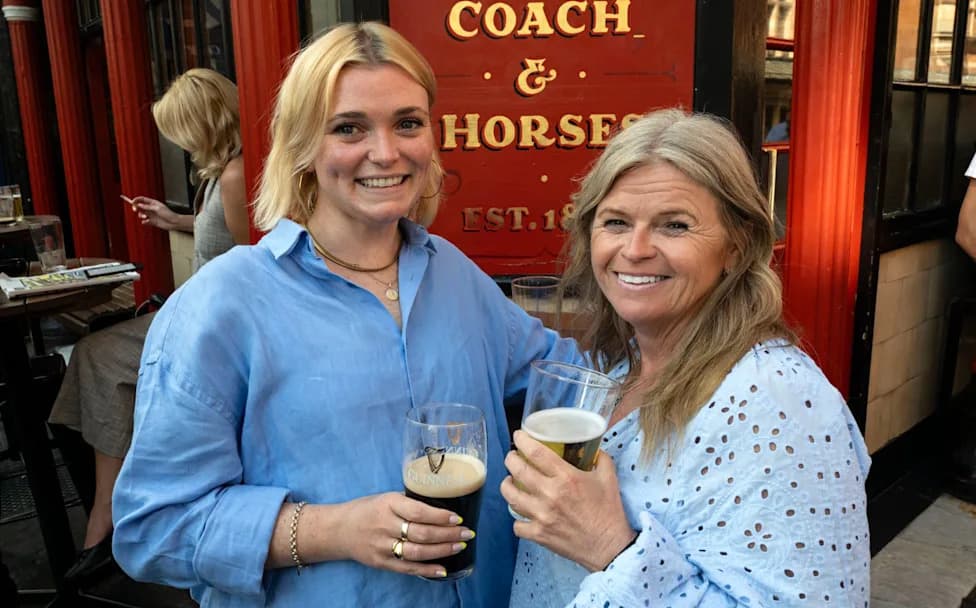
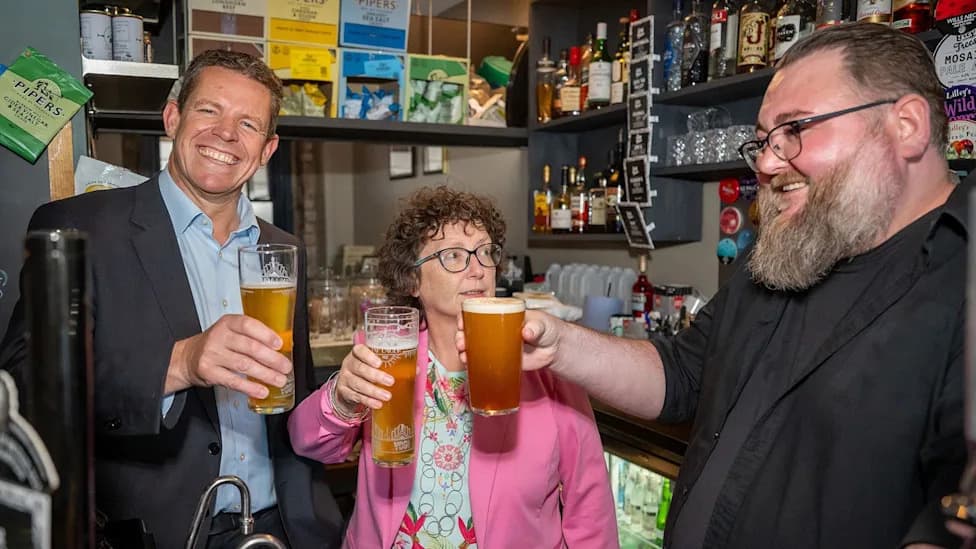
Allison Perkins (right) and her niece, Molly Hopkins, enjoy a 'vertical drink' outside the Coach & Horses in Soho - Julian Simmonds
Allison Perkins met both her current and a former partner while standing outside a pub with a drink in hand. "We got chatting," she says with a smile, describing how standing at the kerb encourages conversations in a way sitting at a table often does not. For Perkins, the jostle at the bar and the habit of drinking on your feet are inseparable from the British pub experience.
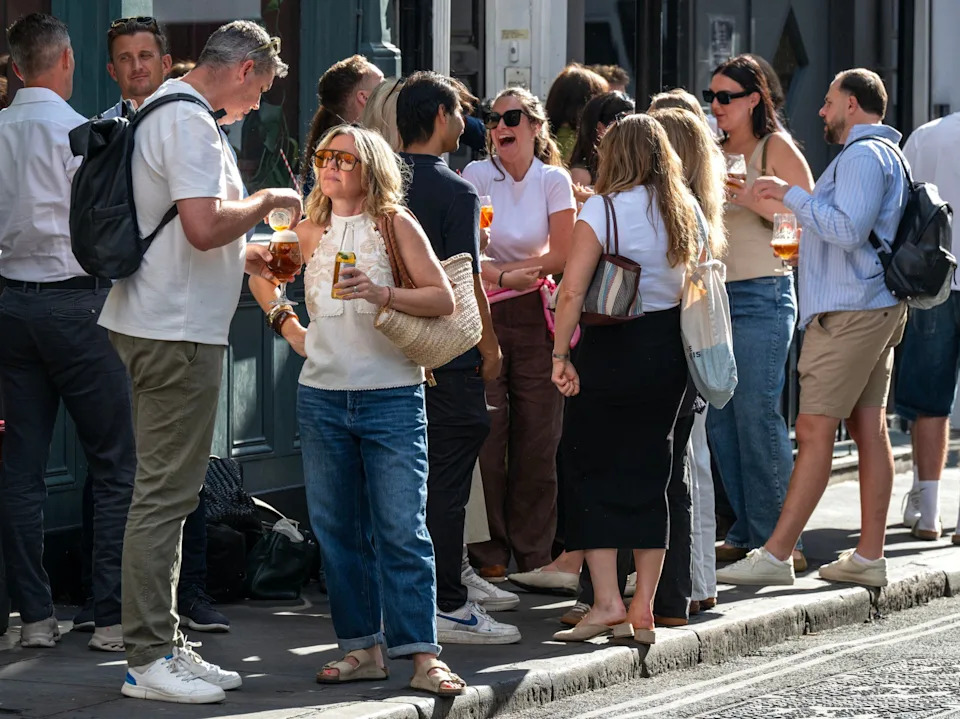
Westminster City Council is considering measures that could curb the quintessential British habit of drinking standing up - Julian Simmonds for The Telegraph
We spoke with Perkins, 60, and her niece Molly Hopkins, 32, outside the Coach & Horses on Greek Street in Soho, where people gather to enjoy what locals call a "vertical drink." Drinkers cluster on pavements, lean on lampposts and spill into the road; passers-by weave through the crowd as if it were street furniture. Perkins, a lifelong Londoner, argues the practice is historic and part of what visitors come to Soho to experience.
What Westminster Is Proposing
Westminster City Council has published a draft licensing policy for consultation that has alarmed regulars and landlords. The paper suggests venues in Soho and the West End could adopt "measures to reduce the extent of, or to remove opportunities for, vertical drinking," naming examples such as installing fixed seating, keeping a minimum number of seats available at all times, and requiring waiter or waitress table service instead of open bar space catering to high-volume standing drinking.
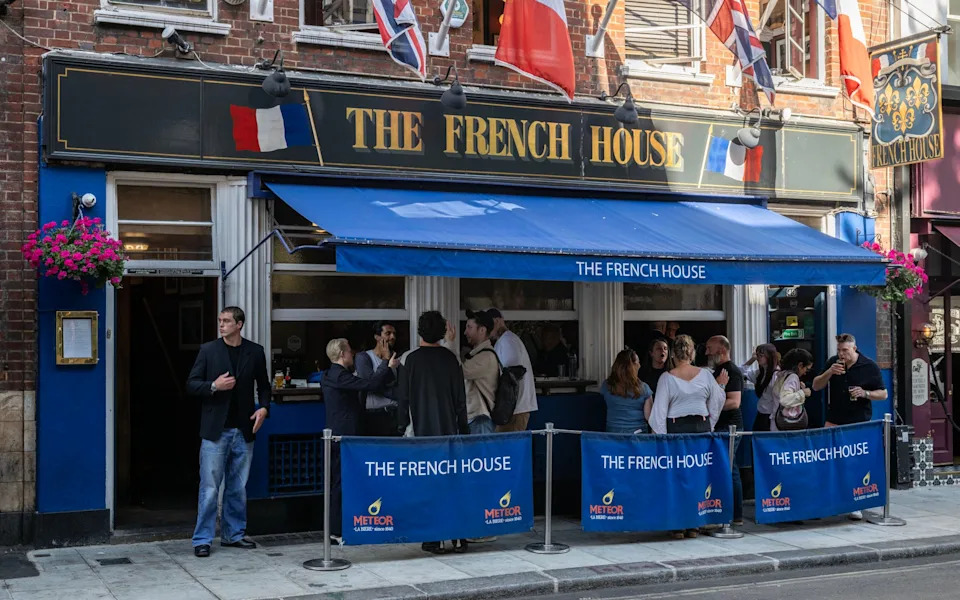
The French House landlady Lesley Lewis says of the proposed changes: 'We may as well burn the place down or sell up' - Julian Simmonds for The Telegraph
"This is about balancing the vibrancy of the city with the need to protect residents and maintain safe, inclusive spaces," the council says, adding it is not proposing an outright ban on standing to drink.
Patrons and Landlords Push Back
Regulars argue the draft misunderstands how social life forms around stood-up drinkers. Alex Giacchetti, 51, who joined the conversation, said: "Social interactions are the most important part, that's why you come to the pub. You're more likely to talk to other people when you're standing next to them rather than sitting at a table."
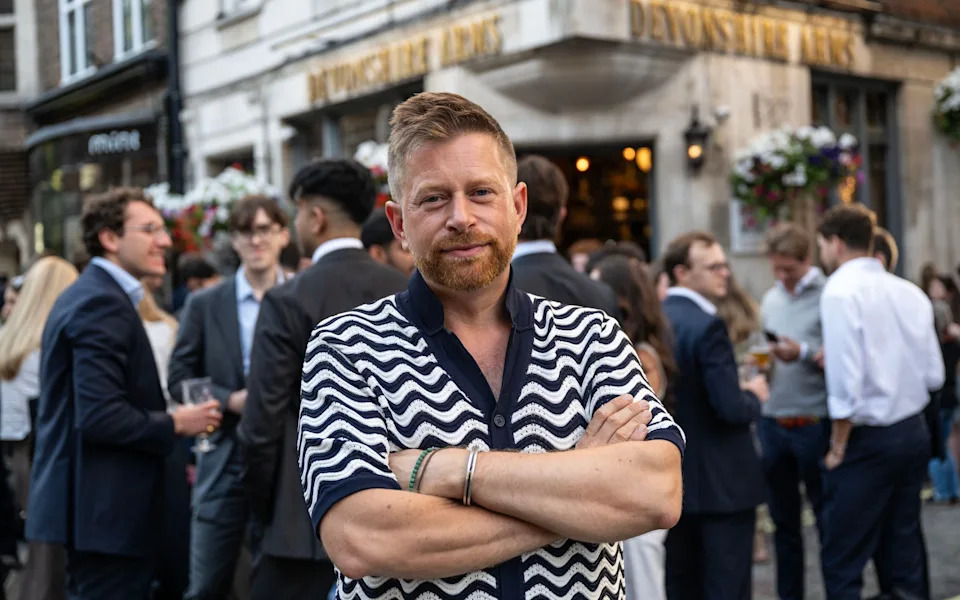
Devonshire Arms landlord Tim Skinner says standing drinking is essential to keeping his pub in business - Julian Simmonds for The Telegraph
Landlords, already struggling with rising costs — higher employer National Insurance, alcohol duties, the minimum wage and business rates — reacted angrily. The Telegraph's Save Our Pubs campaign has highlighted these pressures. Sacha Lord, former nighttime advisor to Andy Burnham, described Westminster as "the most anti-hospitality council in the UK." Downing Street added: "Busy pubs full of people talking to each other is not a public nuisance, it is British life and it is thousands of jobs."
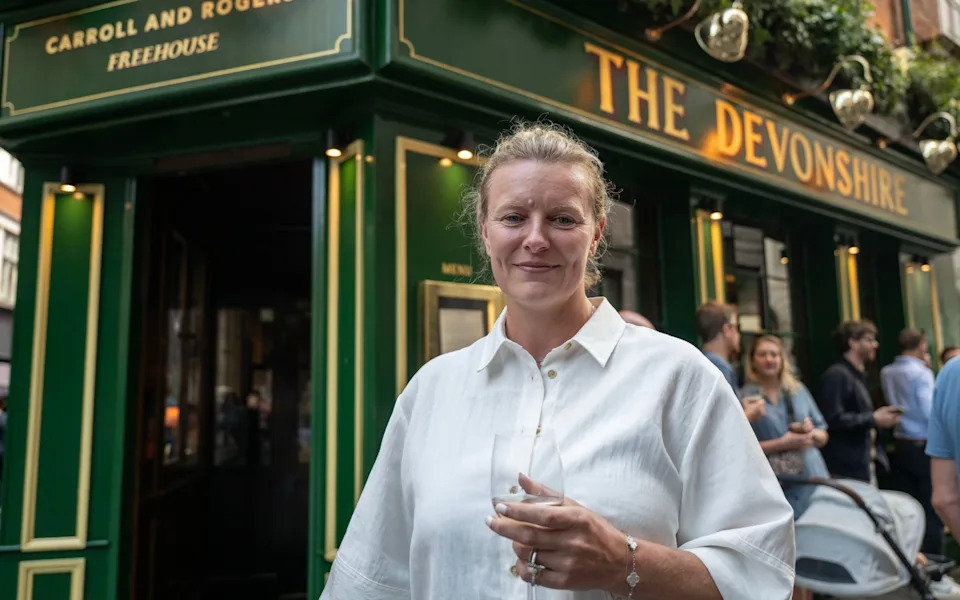
Katy Redford, 48, calls standing drinking 'an institution' and says Soho does not have enough space for more tables - Julian Simmonds for The Telegraph
Lesley Lewis, landlady of The French House for 37 years, warned: "Pubs are pubs. A lot of people never sit down in pubs, it never crosses their mind." She said enforced seating and waiter service would make venues feel like "airport lounges" and could force some businesses to close. "If we are forced to have everybody seated and waiter service, we may as well burn the place down or sell up and let it be a tower block… Because we can't make it pay," she added.
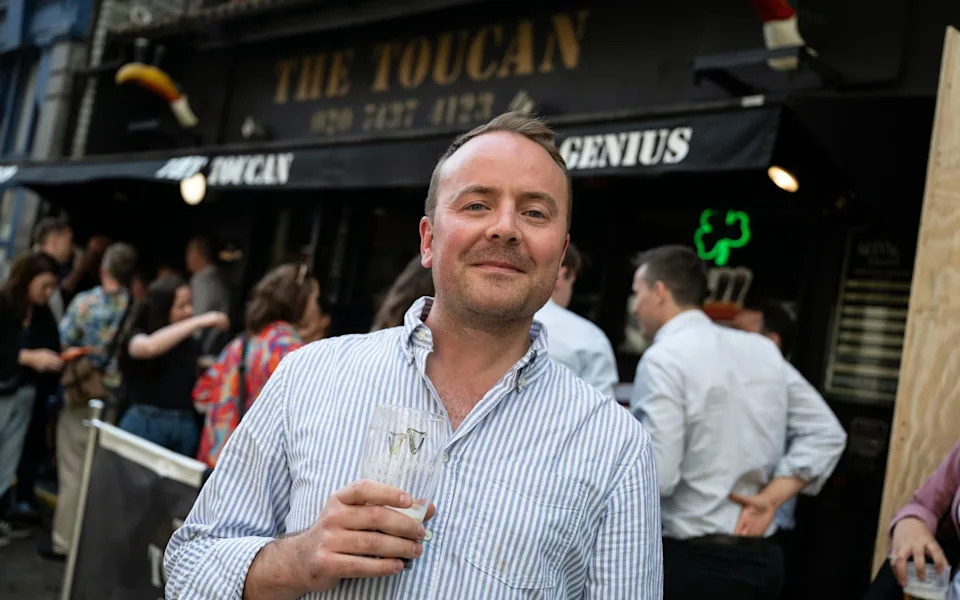
'The whole thing about Soho and London is having a drink outside,' says Tom Pestell outside the Toucan - Julian Simmonds
Economic Stakes
Some landlords gave specific figures. Tim Skinner of the Devonshire Arms said his venue has room for only nine tables and that standing drinkers are essential: without them his trade could fall from roughly £25,000 a week to about £6,000–£7,000, a drop that would likely force redundancies and cut tax contributions. Will Norris of the Barley Mow warned that targeting Soho could set a precedent elsewhere and devastate summer trade when people want to drink outside.
Voices From the Street
On Soho's narrow streets — crowded with all ages, dogs and prams among punters — many defended vertical drinking as cultural as well as practical. Katy Redford, 48, called it "an institution" and said Soho simply doesn't have room for more tables. Josh Jacobs, 25, and Stephen Ahern, 29, both with hospitality experience, argued that the ability to approach the bar and chat is how patrons become regulars and how pubs retain their character.
Oscar Graham-Rosser, 26, described the atmosphere: "Drinking under an awning, when you're literally shoulder to shoulder, you've got great conversations, you've got arguments… you make friends." For many, the charm of going to the bar and choosing your drink is part of the thrill.
Council Response
Paul Swaddle, leader of Westminster City Council, sought to calm tensions: "There is no plan, and never has been, to ban drinking while standing up in a Westminster pub," he said, stressing that consultation is intended to foster discussion. The council reiterated that its priority is growth and support for hospitality and that the proposals are framed around safety and protecting residents as well as visitors.
Why This Matters
The debate touches on culture, public safety and the economics of hospitality. For many Londoners and visitors, vertical drinking is more than a habit: it is a social practice that helps sustain small hospitality businesses and the distinctive street life of neighbourhoods such as Soho. The consultation has therefore become a flashpoint for a broader argument about how to balance lively public spaces with residents' needs.
Help us improve.