The seizure of a defaced Glock 26 in Montreal and two shell casings entered into US ballistic databases helped authorities dismantle an alleged gun‑smuggling ring that moved firearms from New Hampshire into Canada via Akwesasne territory. Forensic serial‑number restoration and NIBIN matches, combined with a 2023 ATF–Canada intelligence partnership, led to charges against 13 defendants. Expanded tracing — thousands of trace requests yearly — is helping link recovered crime guns to suppliers and disrupt cross‑border trafficking.
How a Defaced Glock and Two Shell Casings Unraveled an International Gun‑Smuggling Network
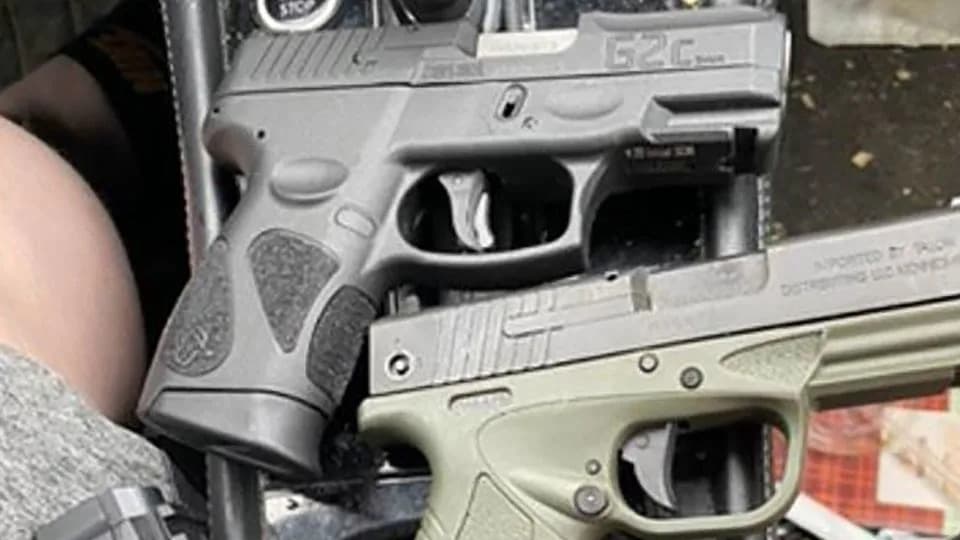
Firearms smuggled to Canada are seen in an image from a detention memo filed by federal prosecutors in May in US District Court in New Hampshire. - DOJ
Two years ago this month, Montreal police executing a kidnapping search seized a Glock 26 whose serial number had been defaced. Using forensic restoration and ballistic matches, investigators traced the pistol to a lawful purchase in Keene, New Hampshire, and linked it to a broader smuggling operation that allegedly funneled firearms into Canada via Akwesasne territory in upstate New York.
That single handgun and two shell casings later entered into US ballistic databases gave authorities crucial leads. The investigation — aided by a 2023 intelligence‑sharing partnership between the Bureau of Alcohol, Tobacco, Firearms and Explosives (ATF) and Canadian agencies — culminated in federal charges against 13 defendants; at least five have pleaded guilty to firearms offenses, prosecutors say.
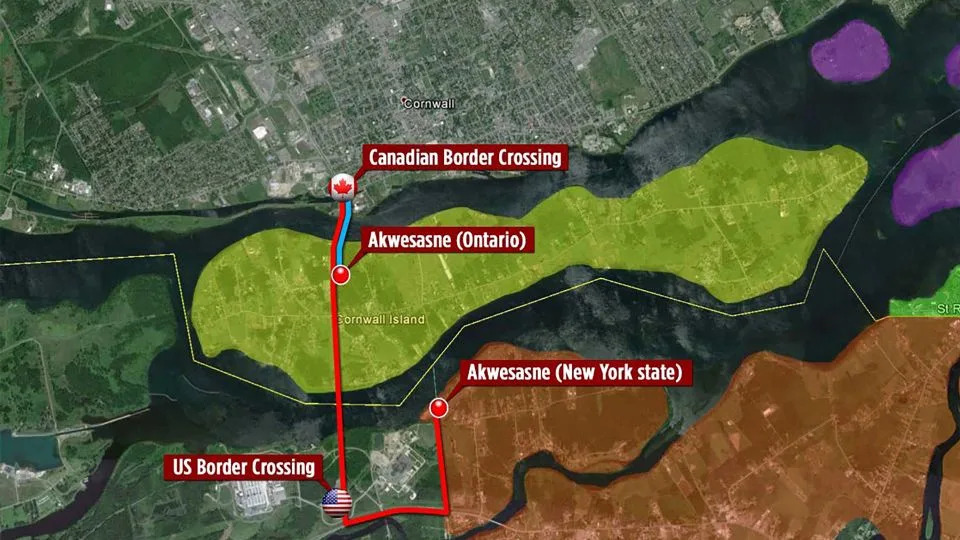
Akwesasne territory on Cornwall Island emerged as a lucrative smuggling corridor for gun traffickers, federal prosecutors said in a detention memo. - DOJ
Forensics and Cross‑Border Intelligence
Investigators restored the Glock’s serial number after the weapon was recovered on Aug. 30, 2024, and traced the purchase to a straw buyer in New Hampshire. Around the same time, shell casings collected by Akwesasne Mohawk police from an incident on Indigenous land were entered into the ATF’s National Integrated Ballistic Information Network (NIBIN). NIBIN matched a casing to a suspect and later matched another casing found in an abandoned vehicle to the Montreal kidnapping probe, tying multiple threads together.
Smuggling Tactics and Routes
Court records and detention memoranda describe creative smuggling methods: stash drops on islands in the St. Lawrence River, jet skis to move firearms from the US side of Akwesasne to Cornwall Island, and ferrying weapons onward into mainland Canada. Prosecutors say several weapons tied to the scheme were later recovered at Canadian crime scenes and in the possession of suspected organized‑crime members.
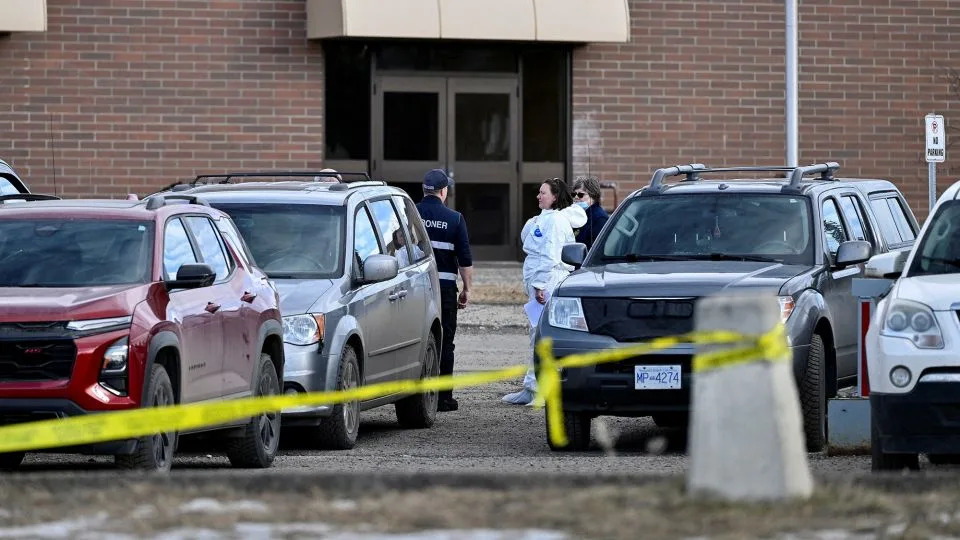
The scene of a school shooting in British Columbia, Canada, on February 11. - Jennifer Gauthier/Reuters
"We're able to zero in on the violent crime at its source," said Thomas Greco, ATF special agent in charge of the Boston Field Division. "Building a database helps us spot repeating patterns that link weapons, places and traffickers."
Impact of Expanded Tracing
Since the ATF–Canada partnership expanded into Quebec in 2023, annual gun traces in the province reportedly jumped from roughly 100–200 to about 4,500. Nationwide, the ATF now facilitates roughly 15,000 trace requests for Canadian authorities each year. Canadian officials estimate they identify 17,000–20,000 illegal firearms annually, and 44%–50% of those are believed to have been smuggled from the United States. In major Canadian cities, the ATF says 78%–90% of crime guns recovered can be traced back to the US.
Local law enforcement on Indigenous lands has increased patrols and deployed technology such as drones and tip lines to counter trafficking. "All you can do is attempt to use the resources that are out there," said Matthew Roark, chief of the St. Regis Mohawk Tribal Police, noting community cooperation is essential.

This image of five guns was taken from one of the defendant's cell phones, federal prosecutors said in a detention memo. The defendant tried to sell the guns for "at least '3k a piece' in order to get 'it across'" from Cornwall Island to mainland Canada, the memo said. - DOJ
Wider Context
While firearm violence remains less prevalent in Canada than in the US, national data show mixed trends: police‑reported firearm‑related violent crimes fell 4.2% from 2023 to 2024 — the largest decline in a decade — but were still 44% higher than in 2014. Specific offenses such as discharging a firearm with intent and using a firearm in the commission of an offense have risen sharply over the decade.
High‑profile shootings in the past year — including attacks at a major Toronto street festival, a fatal shooting of a Montreal officer, and a devastating school attack in February — have amplified concern about organized groups increasingly using firearms.
ATF and Canadian officials say technology‑driven tracing — from restoring defaced serial numbers to NIBIN matches — is proving central to disrupting supply chains and exposing trafficking networks earlier than before. Prosecutors and agents emphasize that while smuggling remains financially attractive to criminals, improved cross‑border cooperation is narrowing the routes and increasing the chances of interception and prosecution.
Help us improve.