Israel is facing a widening mental-health emergency after the October 7 attacks: Clalit data show a roughly 70% rise in PTSD diagnoses and baseline psychiatric illness three to four times higher than in 2018. An estimated 60,000 PTSD cases are attributable to the conflict, and soldiers and children are among the hardest hit. Health services have rapidly expanded — training over 1,000 staff and deploying resilience coaches — but capacity limits, rising medical cannabis use and long-term risks for children mean the burden may grow before it eases.
Israel’s Mental-Health Time Bomb: PTSD Surge, Suicides and Stretched Services
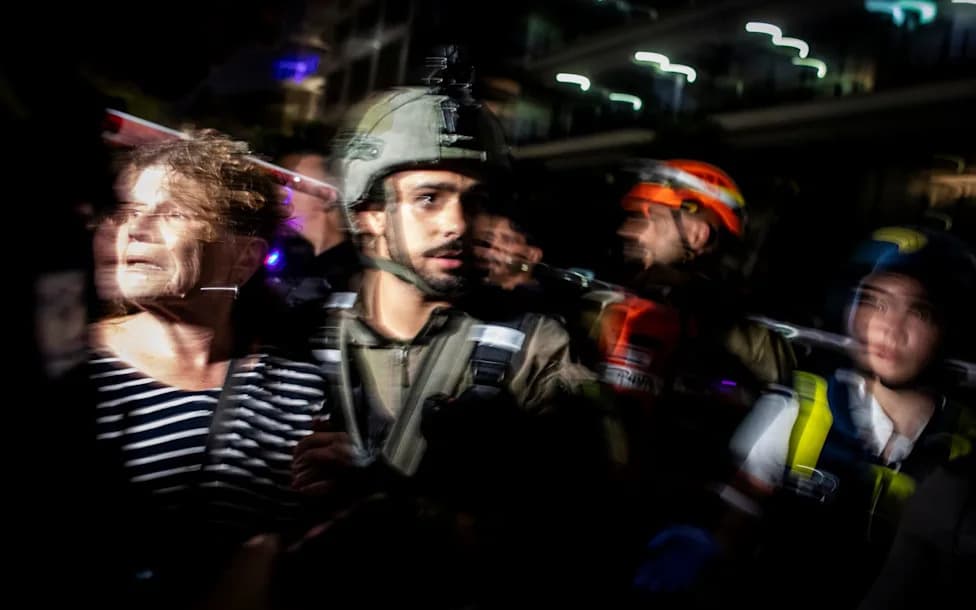
A mental health crisis is sweeping Israel, according to data collected by the country's largest health provider - Eyal Warshavsky
This year Israel has seen a sharp rise in mental-health problems linked to the October 7 attacks and the ensuing conflict. In one month alone, three Israeli soldiers — two of them young women — reportedly died by suicide, bringing the total to 17 service members who have taken their own lives so far this year, the highest rate in 15 years.
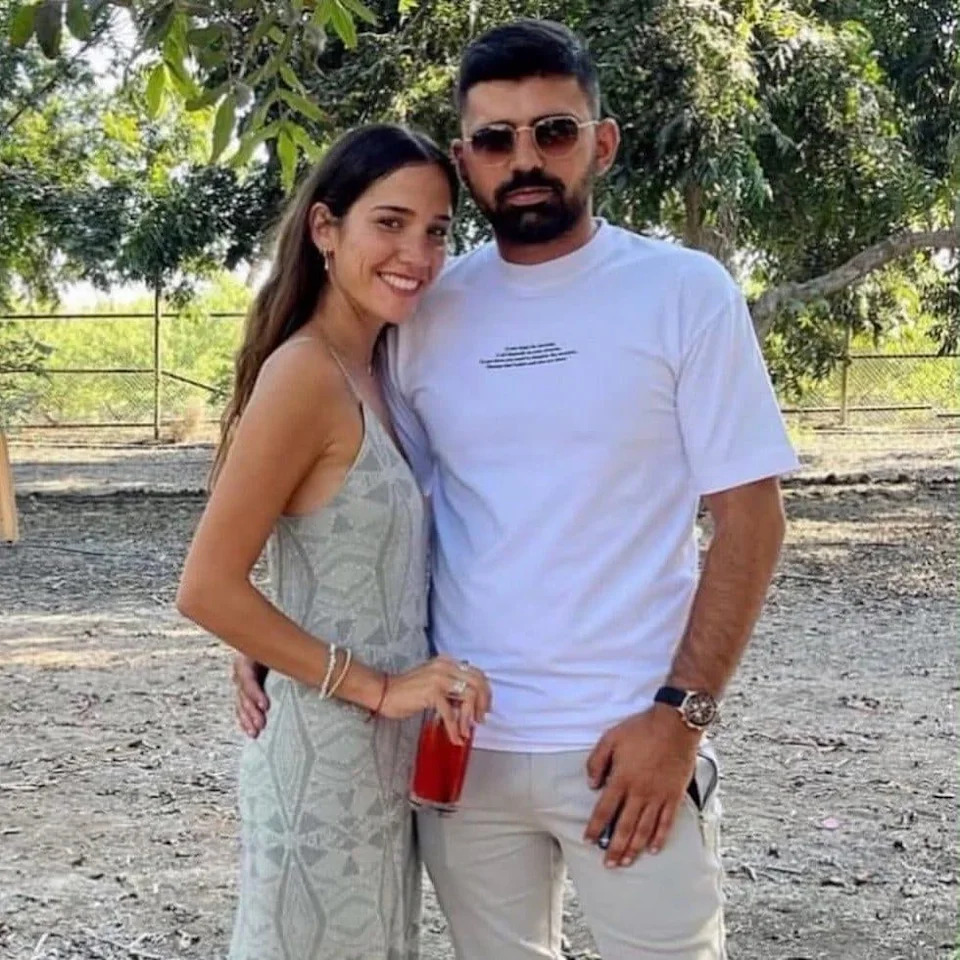
Bar Asraf died by suicide at the grave of his girlfriend Liron Barda, who was murdered by Hamas at the Nova music festival massacre on October 7 - Instagram
High-profile personal tragedies underline a broader national crisis. Bar Asraf, 30, who had lost his girlfriend Liron Barda in the Nova music festival massacre on October 7, was found dead beside her grave. Relatives say Asraf told his mother he could not cope without Barda: "there's no one who can replace her, no one to cheer me up."
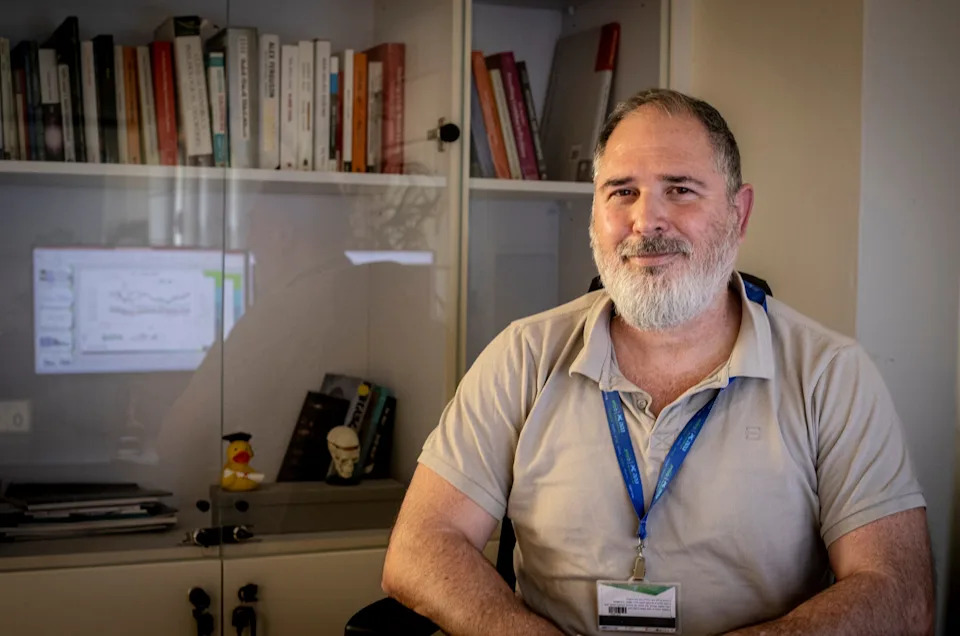
Professor Amir Krivoy, director of the Clalit-Geha Mental Health Center - Eyal Warshavsky/The Telegraph
Evidence of a Widening Crisis
Data collected by Clalit, Israel's largest health provider, show diagnoses of post-traumatic stress disorder (PTSD) in the general population rose by about 70% after October 7, with baseline psychiatric diagnoses now running three to four times higher than pre-pandemic levels in 2018. Clalit's dataset extends through June and broadly mirrors figures reported by other Israeli health funds.
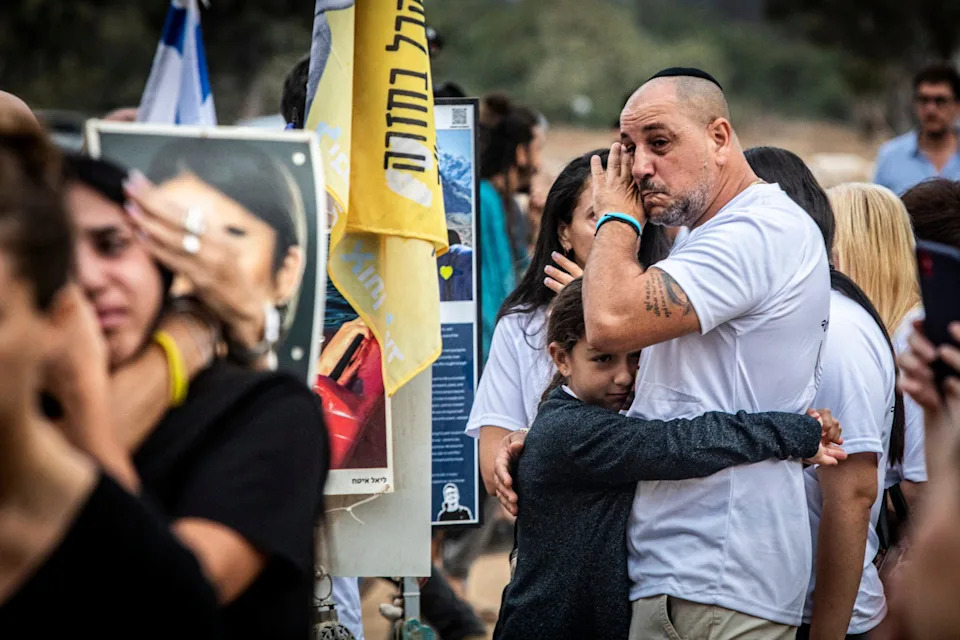
Mourners At the Nova Festival memorial site - Eyal Warshavsky
Experts estimate roughly 60,000 PTSD cases in Israel are directly attributable to the conflict — cases that would not otherwise be expected. These figures exclude active military personnel, whose health data are treated separately within military services. Academic studies following combat-role soldiers have found approximately 12% of those who witnessed combat developed severe PTSD symptoms that made them unfit for duty.
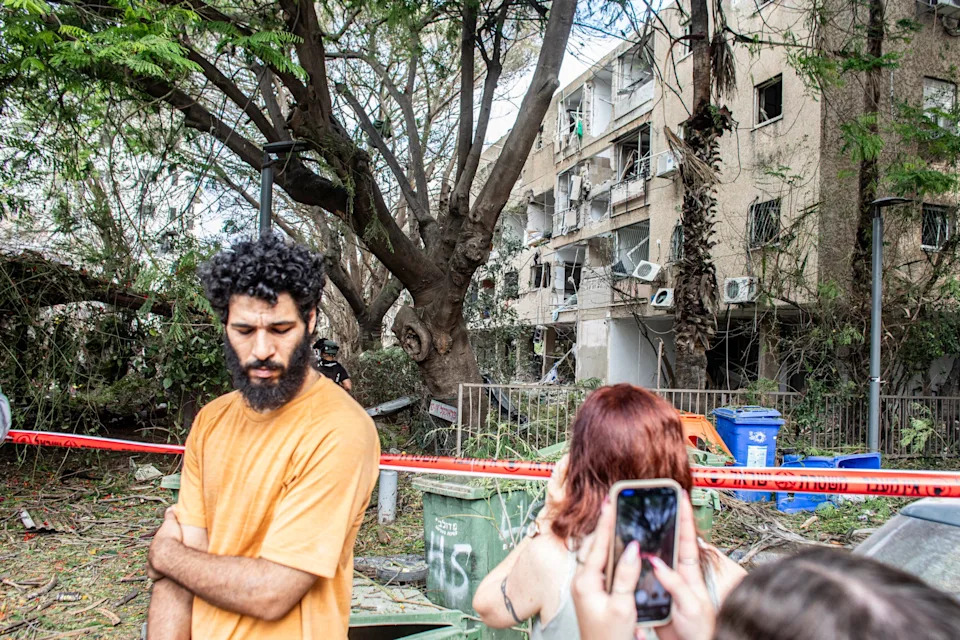
Israeli civilians at an impact site after an Iranian ballistic missile strike in Tel Aviv - Eyal Warshavsky
Symptoms, Treatments and Service Changes
PTSD is a defined psychiatric disorder with standard diagnostic criteria. Common symptoms include intrusive memories and flashbacks, severe anxiety, emotional numbing, and avoidant behaviours. Everyday triggers — colours, smells, sounds or places — can repeatedly disrupt and sometimes paralyse daily life.

The Clalit-Geha Mental Health Center in Tel Aviv - Eyal Warshavsky
Clalit and other providers have rapidly reconfigured services to meet rising demand. Measures include training more than 1,000 social workers, art therapists and other allied professionals to staff helplines, triage patients and provide evidence-based interventions. A new tier of "resilience coaches" — mostly recent graduates trained to deliver focused, short-term modules addressing sleep, routine and coping strategies — offers first-line support for milder cases. Clalit operates 14 hospitals and some 1,600 clinics nationwide.
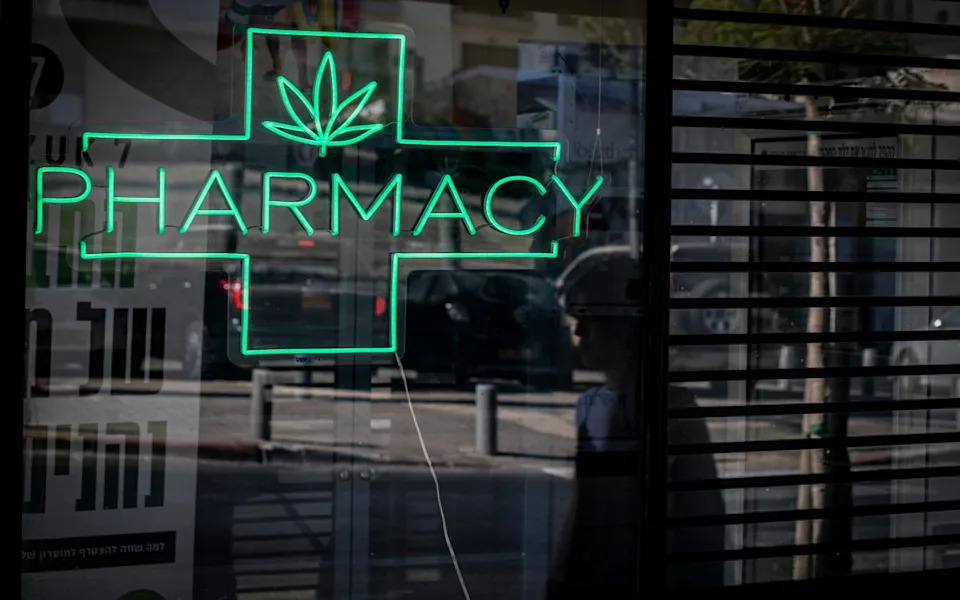
A weed pharmacy sign in Tel Aviv - Eyal Warshavsky
Evidence-based treatments in use include Eye Movement Desensitisation and Reprocessing (EMDR), Interpersonal Psychotherapy (IPT) and Cognitive Processing Therapy (CPT). Clinicians emphasise the need for "precision diagnosis" to match each person with the most appropriate treatment or sequence of treatments.

A feeling of helplessness is widespread among Israel's population - Eyal Warshavsky
Risks, New Approaches and Concerns
Without proper care, many people self-medicate with alcohol or drugs. Medical cannabis prescriptions in Israel have reportedly increased tenfold in recent years, with around 140,000 registered users. Clinicians warn that while cannabis may help some patients, it can also increase agitation, trigger manic symptoms and in extreme cases contribute to psychosis, even in older adults.
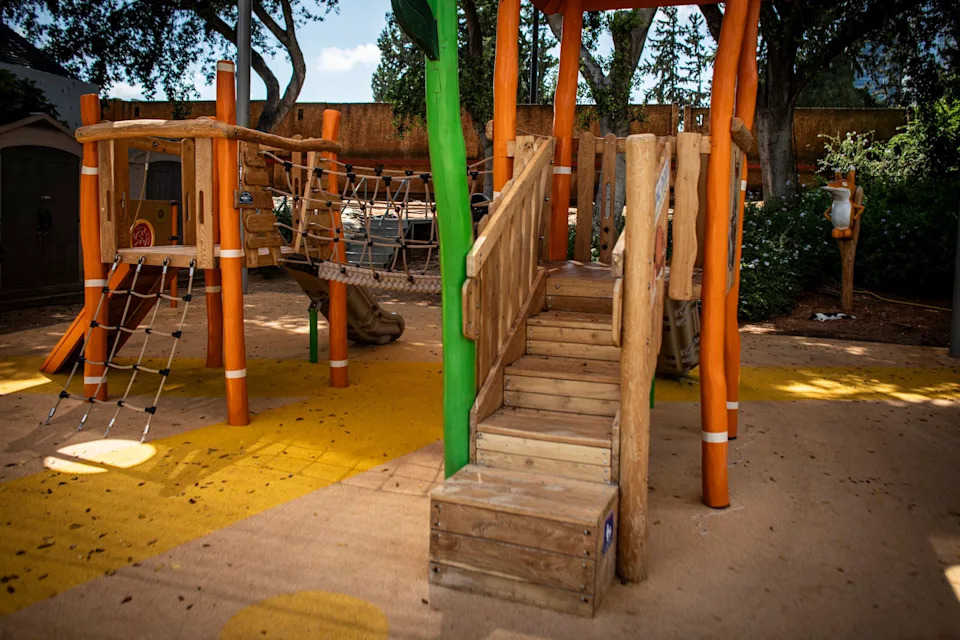
More than 30,000 children and adolescents are recognised as 'terror victims' by the Israeli authorities - Eyal Warshavsky
Researchers are also exploring novel treatments: a small, experimental MDMA-assisted therapy trial at Clalit-HaEmek found that about 80% of participants who completed the protocol reported a significant reduction in PTSD symptoms, with most no longer meeting diagnostic criteria. Investigators stress the study was small, follow-up is limited, and the approach remains experimental.
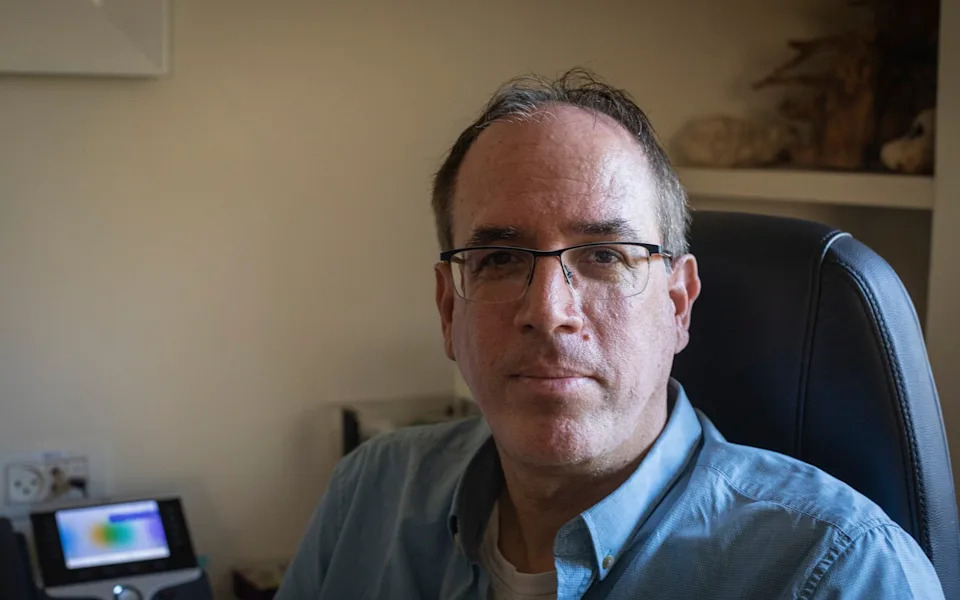
Dr Jordan Lewinski, head of Clalit's mental health services - Eyal Warshavsky
Children, Long-Term Risks and Outlook
The war's impact on children is particularly concerning. More than 30,000 children and adolescents under 18 are officially recognised by Israeli authorities as "terror victims," and many already show PTSD, anxiety, depression or suicidal ideation. Early-life exposure to trauma raises the risk of more severe mental illness over time, and clinicians warn the long-term prognosis for affected children remains uncertain.
The country's mental health crisis could get worse before thinngs improve - Eyal Warshavsky
Clinicians offer guarded optimism: with appropriate care many recover. Professor Amir Krivoy suggests roughly 80% of patients improve substantially, while 15–20% develop chronic symptoms requiring ongoing support. Historical patterns from other conflicts also raise caution: suicide rates often dip during wartime and rise after, suggesting the mental-health burden may increase further as the emergency evolves.
"The level is high and is remaining high," says Professor Amir Krivoy, director of the Clalit-Geha Mental Health Center. "Because of the continuous war situation, with repeated bursts of acute stress activity, we don't see the usual decay as resilience and recovery processes take place."
Addressing this crisis will require continued expansion of services, investment in training and diagnosis, careful management of medications and experimental treatments, and a sustained focus on children and other vulnerable groups.
Help us improve.