The study published in Current Biology found that areas with mountain lions experienced 67% fewer deer-vehicle collisions, suggesting predators yield tangible road-safety benefits. The reduction likely reflects both direct predation and predator-driven changes in deer behavior. Researchers say the results support coexistence measures — such as habitat protection and wildlife crossings — and give communities a public-safety reason to back conservation.
Mountain Lions Linked to 67% Drop in Deer-Vehicle Collisions — An Unexpected Road-Safety Benefit
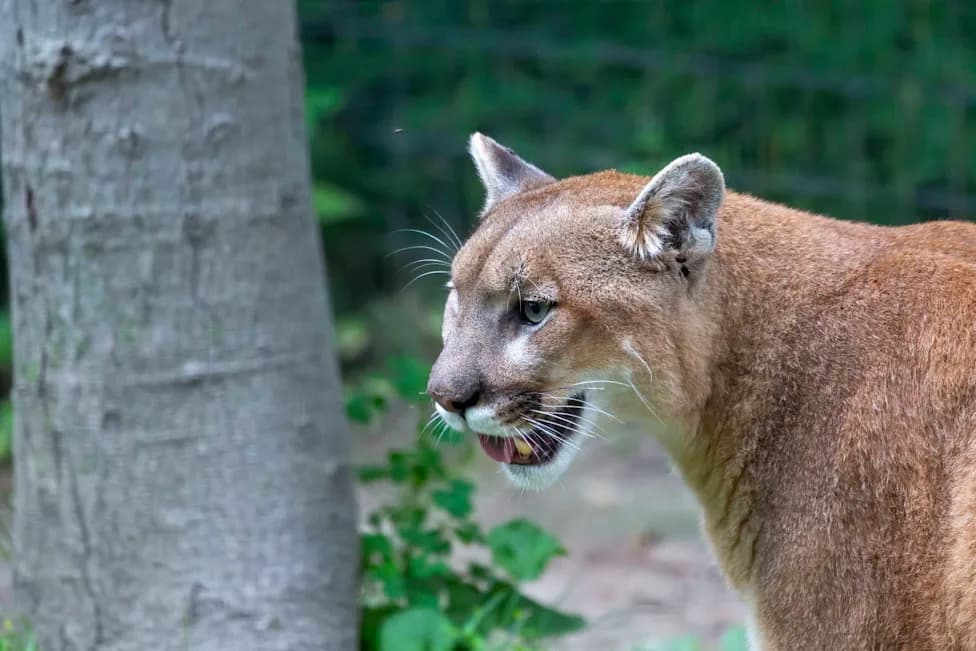
Photo Credit: iStock
Drivers across the American West may be getting an unexpected assist from mountain lions. New research published in Current Biology finds that areas occupied by mountain lions saw 67% fewer collisions between deer and vehicles than comparable areas without the predators.
The reduction appears to come from more than just the deer mountain lions kill. Predators also change prey behavior: deer in areas with mountain lions move more cautiously, avoid forming large groups near roads, and alter their movement patterns in ways that reduce the chance of wandering into traffic.
The study, highlighted by SFGATE, compared similar landscapes with and without mountain lions and found a substantial difference in deer-vehicle crash rates. The research has attracted attention online, including conversations on Reddit suggesting additional benefits, such as potential reductions in the spread of chronic wasting disease and tick-borne illnesses through altered deer densities and movement.
When we talk about pumas, we often focus on the risks they pose, but we rarely stop to consider the many ways they benefit us as well. Living alongside large carnivores isn't simply about protecting wildlife; it's about protecting the many ways they quietly benefit us every day. — Mark Elbroch, Panthera (co-author)
Collisions with deer are more than an annoyance: they can injure or kill people, total vehicles, kill wildlife, and place extra strain on emergency responders. That makes any measurable decline in crashes a public-safety benefit that supports predator conservation as a civic, not only environmental, priority.
What This Means for Communities
The findings strengthen the case for coexistence strategies that help both people and wildlife. Practical steps include protecting and connecting habitat, reducing landscape fragmentation, and building wildlife crossings so animals can move without being funneled onto busy roads.
At the same time, drivers can reduce risk today by slowing down in known wildlife corridors, staying especially alert during dawn and dusk, and observing deer-crossing signs. Over time, local support for conservation and targeted transportation projects can further cut wildlife-vehicle conflicts.
While mountain lions remain controversial in parts of their range, this study offers a clear example of how intact predator-prey dynamics can deliver tangible benefits to human communities.
Help us improve.