On July 3, 2026, ornithologist James Apolloh Omenya and conservationist Simon Odhiambo confirmed the first documented sighting of the Red Weaver since 2014 during an 11-day expedition in Lamu County's Boni-Dodori Forest. The trip was funded by an Ornis Birding x Lost Birds grant and targeted both the Red Weaver and the little-seen Tana River Cisticola. Photographic records of the Red Weaver are extremely rare, and the rediscovery—combined with recent taxonomic recognition—could spur follow-up surveys and conservation action in this remote, ecologically important landscape.
Rare Red Weaver Rediscovered in Kenya — First Verified Sighting Since 2014
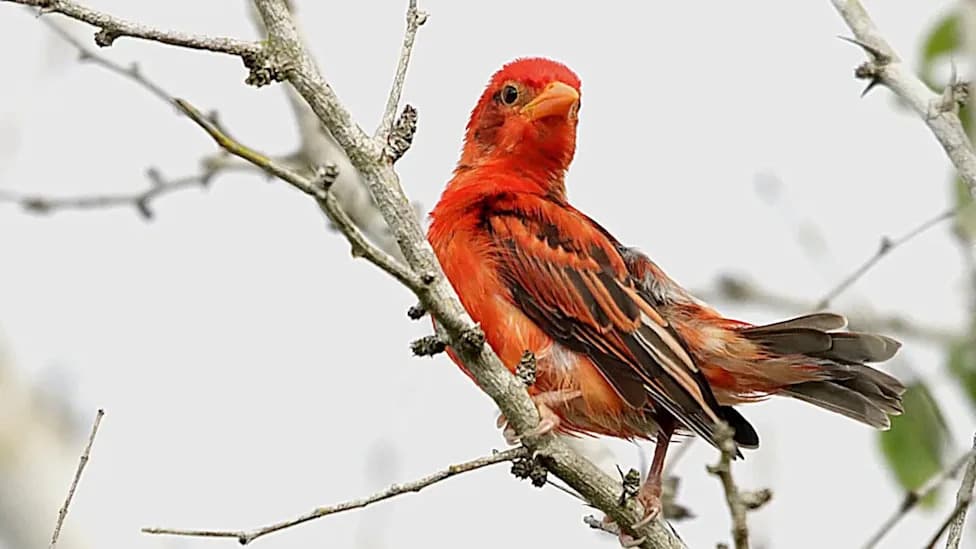
Photo Credit: Facebook
Two Kenyan birders have confirmed a rare rediscovery of the Red Weaver in the Boni-Dodori Forest of Lamu County. On July 3, 2026, 29-year-old ornithologist and guide James Apolloh Omenya and Murang'a County conservationist Simon Odhiambo (known online as The KenyanBirder) documented the species for the first time since 2014, drawing attention from conservationists and birding communities worldwide.
Expedition and the Moment of Discovery
Omenya took part in the 11-day field trip after receiving one of five 2026 expedition grants from the Ornis Birding x Lost Birds program, which supports birders aged 18–30 searching for species absent from recent scientific records. The team entered Boni-Dodori with two targets: the Red Weaver and the poorly recorded Tana River Cisticola, last documented in 1967.
“Our birds!” the team shouted, the Search For Lost Birds portal reports, “as three flashes of red emerged from a bush.”
Photographic evidence of the Red Weaver is exceptionally scarce: before this expedition the species had been photographed only once, in April 2014, when John Musina documented a single male in Boni-Dodori Forest. The new record—supported by eyewitness accounts and photographs—adds an important data point for assessing the species’ status.
Team, Logistics and Security
The expedition relied on close local collaboration. Alongside Omenya and Odhiambo were environmentalist Dr. Victor Ikawa, Paul Kaberere of the Environmental Compliance Institute, and guides James Mburu and John Gitiri. Motorcycle riders Mohammed Noor and Charles Manhala of Aweer Conservancy and a driver identified as Caleb helped the team navigate difficult terrain. Local chiefs, county officials, village elders and armed escorts provided community support, and the Kenya Defense Forces offered protection in the most remote and higher-risk areas.
Conservation Significance
This rediscovery matters for several reasons. The Red Weaver is known only from the Boni-Dodori Forest, so each verified record informs assessments of its population and habitat needs. The bird’s taxonomic status has shifted in recent years: long treated as a subspecies of the Red-headed Weaver, it was recognized by eBird as a distinct species in 2024 and added to the Lost Birds list by 2025. The new sighting may prompt targeted surveys, attract scientific attention, and help direct conservation resources toward protecting the forest and the communities that depend on it.
Successful expeditions in remote, security-challenged areas can also create income and capacity-building opportunities for local guides and conservation workers—strengthening local leadership in biodiversity protection.
Reflecting on the find, Odhiambo said: “We were excited to make the rediscovery of the Red Weaver Bird in Boni-Dodori Forest. This lost bird species, only found in this forest globally, was last sighted more than a decade ago.”
Help us improve.