Germany will open a new DLR-backed drone-security research centre on August 18 in Saxony-Anhalt after an explosives-laden drone was found at Leipzig/Halle airport. The facility will develop and trial technologies to detect, track and neutralise hostile drones and improve cooperation between researchers and security agencies. Interior Minister Alexander Dobrindt called the incident a possible "hybrid" attack and warned Germany faces ongoing hybrid-threats including espionage, sabotage and cyberattacks.
Germany to Open New Drone-Defence Research Centre After Explosives-Laden Drone Found at Airport

Alexander Dobrindt, German Minister of the Interior, speaks at a press conference in a terminal at Leipzig/Halle Airport, following a night-time drone incident. German Police specialists defused an explosive device. (is associated with: «Germany to expand drone security research after airport incident») Hendrik Schmidt/dpa
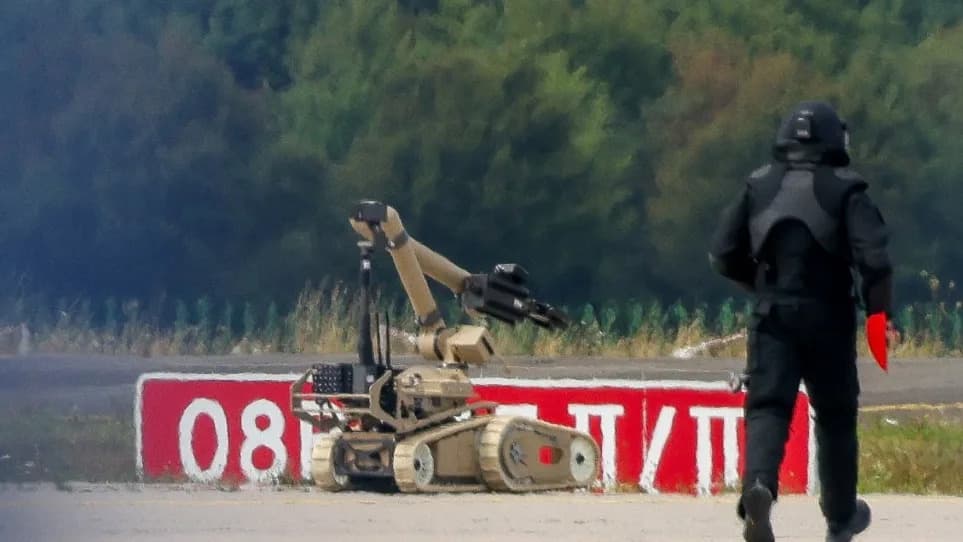
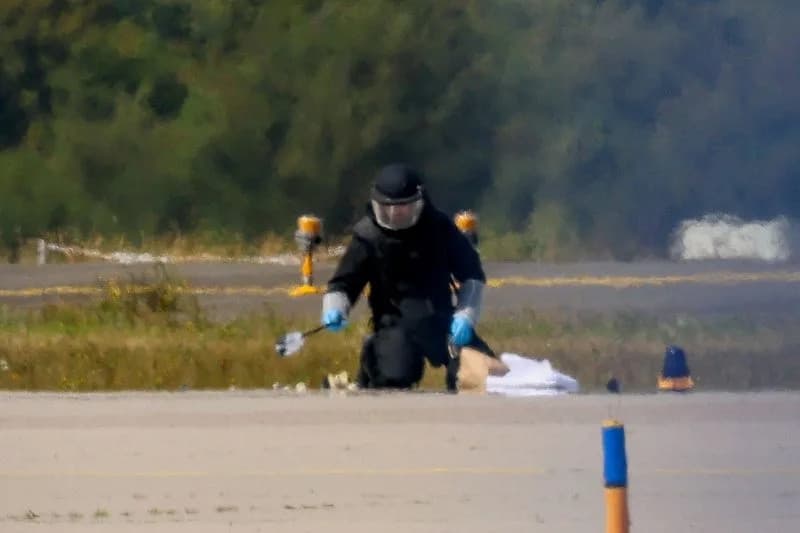
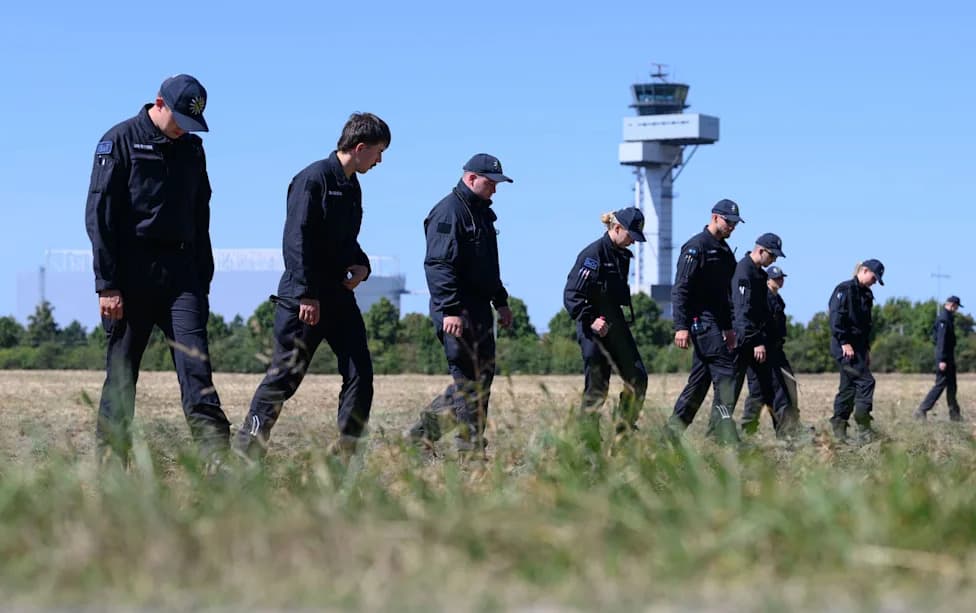
Germany will expand research into counter-drone measures after an explosives-laden drone was discovered at Leipzig/Halle airport earlier this week, Interior Minister Alexander Dobrindt said.
The minister announced that a new drone-security research centre will open on August 18 at a test airfield operated by the German Aerospace Center (DLR) in the eastern state of Saxony-Anhalt. The facility is intended to bring together researchers, technology developers and security agencies to develop and trial systems to detect, track and neutralise hostile drones.
Purpose and Capabilities
The centre will focus on applied research into detection technologies, electronic countermeasures and safe mitigation techniques. Officials said it will also serve as a testing ground for operational concepts and a forum for cooperation between civil aviation, law enforcement and defence stakeholders.
"The arms race in drone technology requires dedicated research units to keep pace," Dobrindt said.
Shortly before midnight on Tuesday, airport staff discovered a drone fitted with explosives and a detonator close to a Ukrainian transport aircraft; a member of staff brought the device down. Separately, an airborne DHL cargo freighter struck an unidentified small flying object — possibly a second drone — during takeoff or landing operations.
Dobrindt described the incidents as a possible "hybrid" attack by foreign actors and warned that, while Germany is not at war, it faces daily hybrid threats including espionage, sabotage, cyberattacks and covert operations intended to destabilise the country or cause direct harm.
The new research centre aims to accelerate practical solutions to these threats and improve coordination between scientists, industry and security services.
Help us improve.