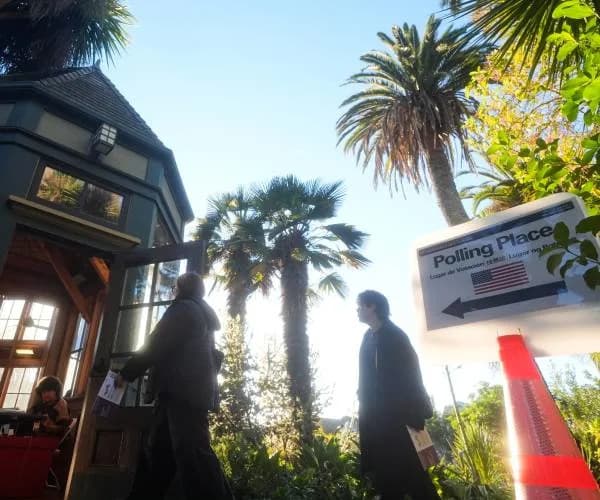
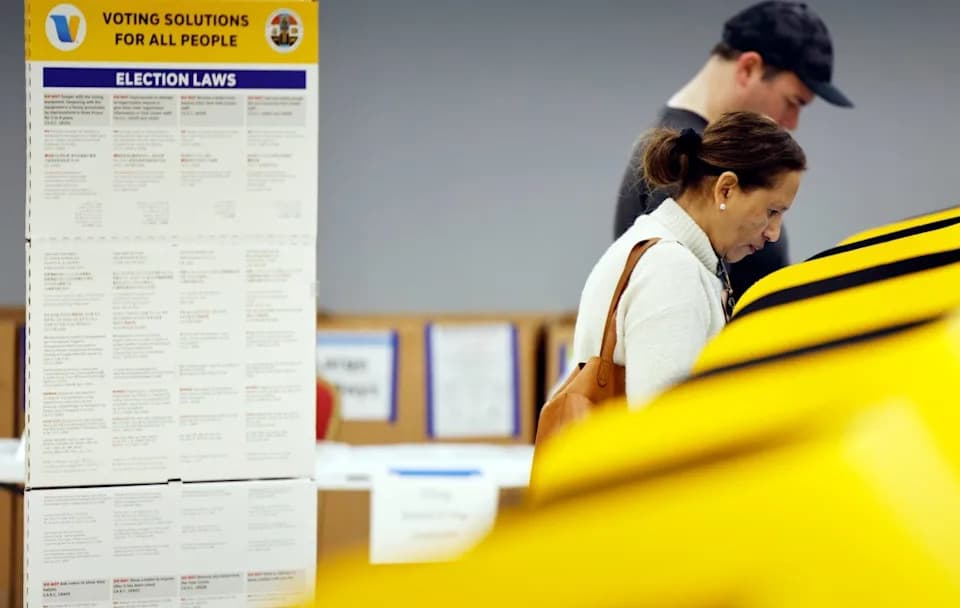
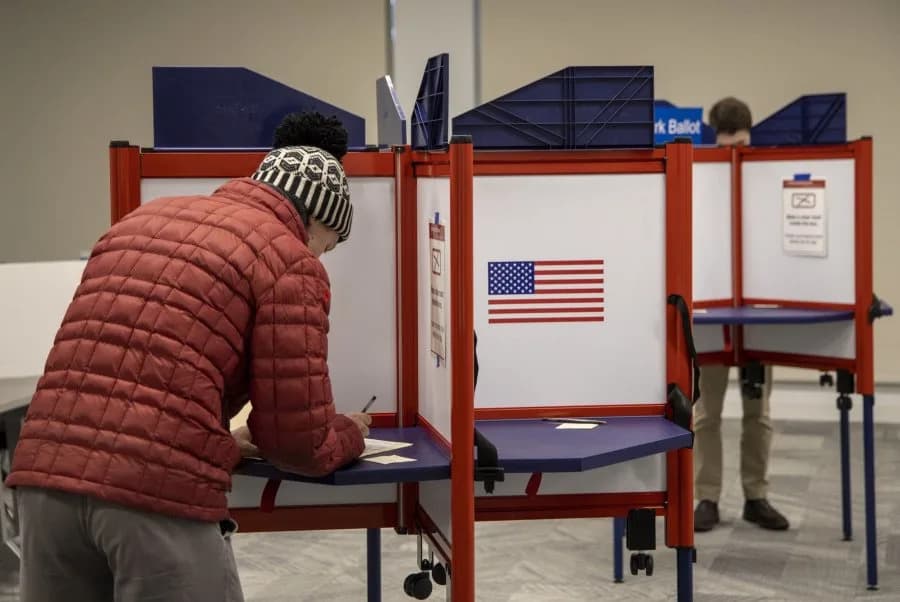
The Sacramento court approved a late substitution to the official ballot description of Proposition 39, replacing the original phrase "Establishes additional voter identification and citizenship verification requirements" with wording that reads "Prohibits citizens from voting unless they present government‑issued identification." Critics say the change turns a neutral summary into an argument; supporters say it clarifies effects. With courts often deferring to officials on ballot language, voters will likely decide the measure on its merits.
Look Past Title Tricks — Voters Should Judge Proposition 39 on Its Merits
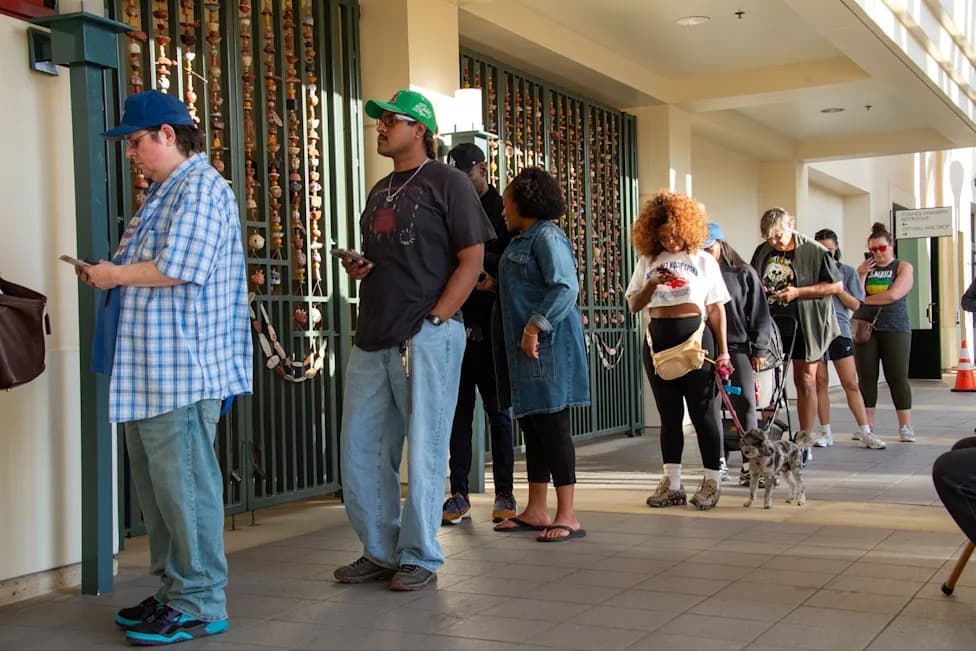
Voters cast ballots at a polling place in Culver City, California, during a statewide election on Tuesday, June 2, 2026. (Katie Avery)
California voters are being asked to look beyond a disputed ballot label after a Sacramento court permitted Attorney General Rob Bonta to substitute the official description of the Voter ID measure known as Proposition 39.
Original wording: "Establishes additional voter identification and citizenship verification requirements."
Court‑approved revision: "Prohibits citizens from voting unless they present government‑issued identification." Critics say the revised phrasing frames the measure as a prohibition rather than a neutral summary of its procedures and effects.
What Happened
The late change to the ballot language was approved by a Sacramento court, drawing immediate criticism from opponents who argue the new description functions more like an argument against the measure than a neutral label. Supporters of the change contend it clarifies the measure's practical effects for voters.
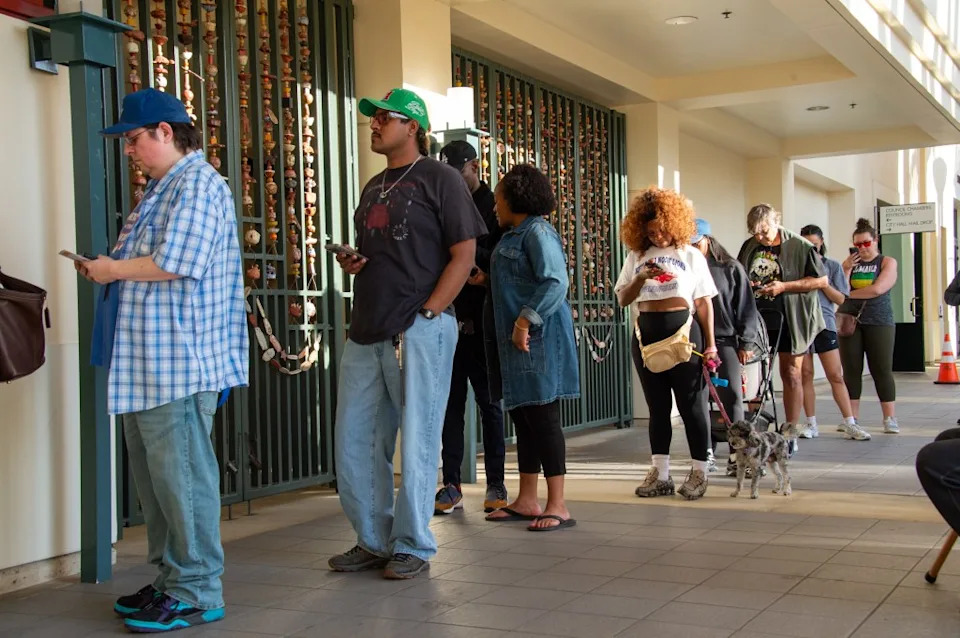
Voters cast ballots at a polling place in Culver City, California, during a statewide election on Tuesday, June 2, 2026. (Katie Avery) Katie Avery for CA Post
Context And Precedent
Opponents have compared the move to a 2018 episode when then‑Attorney General Xavier Becerra revised the description of Proposition 6 to read, "Eliminates certain road repair and transportation funding." Critics say that change turned a positively framed proposal into a negatively framed label; defenders of the office say ballot language often needs adjustment to reflect likely consequences.
Legal observers note courts historically give state officials substantial leeway when drafting or approving ballot descriptions, so judicial relief is not always available for disputes over wording.
Wider Debate
The episode spotlights broader tensions over voter ID rules and claims about the prevalence of voter fraud. Some political leaders argue strict ID requirements are unnecessary because fraud is rare; others say asking for government‑issued identification is a common safeguard used in many daily transactions.
As an example of inconsistent ID policies, supporters of the measure point to local practices — such as a proposal in New York City to require ID for access to certain government‑subsidized services — to argue for consistent standards at the polls.
What Voters Should Know
Because courts may be unlikely to overturn the ballot wording, the ultimate decision will fall to voters: whether they look past the contested title and evaluate Proposition 39 by its substance and the actual text of the measure.
Photo: Voters cast ballots in Culver City, California, during a statewide election on June 2, 2026. (Katie Avery for CA Post)
Help us improve.