Iran declared it will not reopen the Strait of Hormuz until the United States "corrects its behavior," listing demands that include an end to threats, lifting of sanctions and release of frozen assets. The statement from Mohammad Bagher Zolghadr followed comments by U.S. Vice President J.D. Vance that talks had been making progress. Tehran also seeks withdrawal of U.S. forces, compensation for war damage, and a permanent end to conflict with groups it calls proxies. A June memorandum that once raised hopes for a settlement has since failed to produce a lasting deal.
Iran Says U.S. Must 'Correct Its Behavior' — Issues Broad Conditions to Reopen Strait of Hormuz
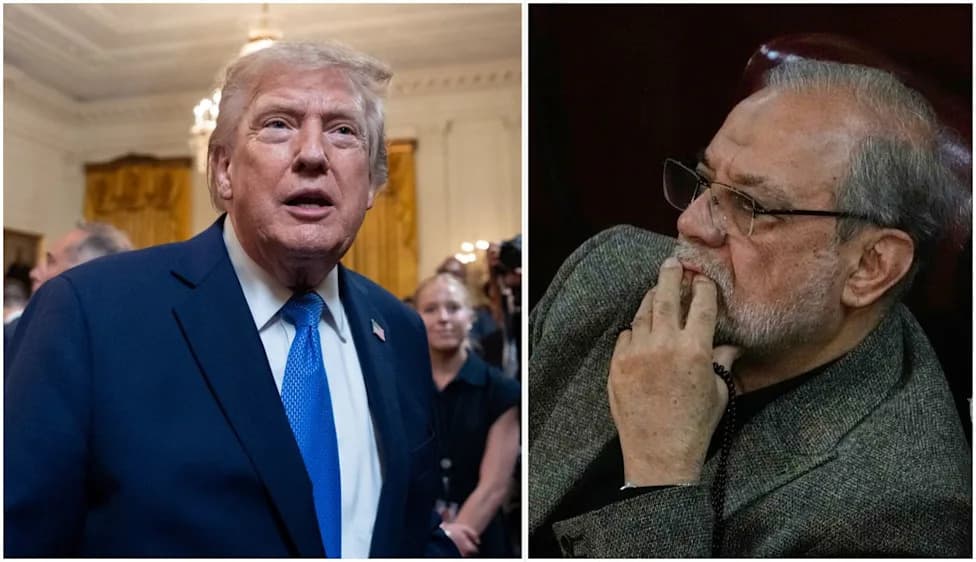
President Donald Trump, Iranian official Mohammad Bagher Zolghadr Alex Brandon/Vahid Salem/AP Photos
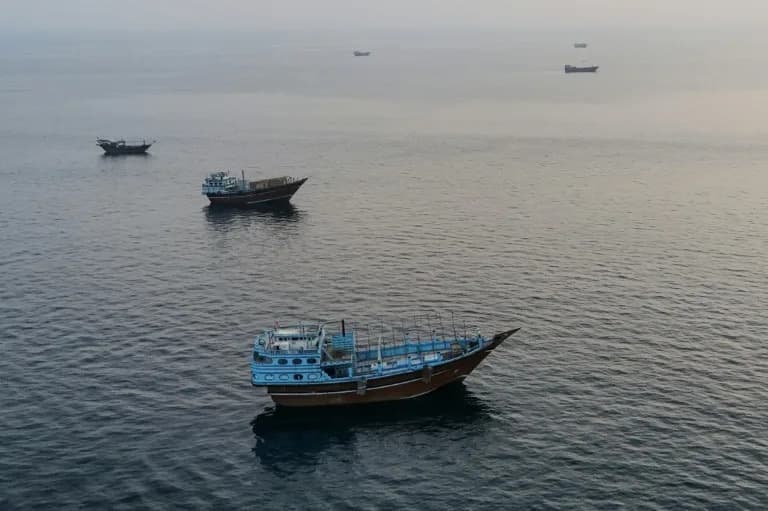
Tehran warned on Saturday that it will not agree to reopen the Strait of Hormuz unless the United States "corrects its behavior," issuing a set of broad demands that include an end to threats, lifting of sanctions and the release of frozen assets.
The declaration came from Mohammad Bagher Zolghadr, secretary of Iran's Supreme National Security Council, and followed remarks earlier in the day by U.S. Vice President J.D. Vance, who told Fox News he believed talks with Iran had been making progress.
"I do think that we've made some progress over the last few days," Vance said in the interview.
Earlier on Saturday, Islamic Revolutionary Guard Corps spokesman Hossein Mohebbi told Reuters—via Iran's Tasnim news agency—that Tehran would reopen the Strait "whenever the United States accepts Iran's conditions." By evening, however, prospects for an immediate agreement appeared to have soured.
Iran's Demands
The statement carried by Iran's state broadcaster and attributed to the Supreme National Security Council laid out several conditions, including:
- A permanent end to the conflict between Iran and groups it considers proxies — explicitly naming Hezbollah, Hamas and the Houthis;
- An end to what Tehran describes as a U.S. naval blockade of Iranian ports and the withdrawal of American forces from the region;
- Full compensation for damage from the conflict, which Iran says began on Feb. 28 with joint airstrikes by Israel and the United States;
- The lifting of all sanctions on Iran and the release of its frozen financial assets.
The Times of Israel and Reuters are among the outlets reporting the claims and statements from both sides.
Context and Recent Developments
In June, both sides signed a memorandum of understanding that gave them 60 days to negotiate a permanent settlement, raising hopes of de-escalation. Instead, hostilities resumed and, according to the reporting, the U.S. carried out nearly two weeks of airstrikes on Iran, which the article says resulted in the deaths of several American soldiers.
President Donald Trump has repeatedly said a deal was "imminent," but Tehran's Saturday statement makes clear that any reopening of the strategic waterway hinges on meeting its extensive conditions. Observers say the standoff highlights how fragile negotiations remain and how quickly diplomatic progress can be undercut by renewed military action and hardline demands.
Note: Claims about the outbreak of the conflict, casualty figures and the precise scope of the demands are based on statements from Iranian officials and reporting by regional and international outlets. Independent verification of some details may be limited.
Help us improve.