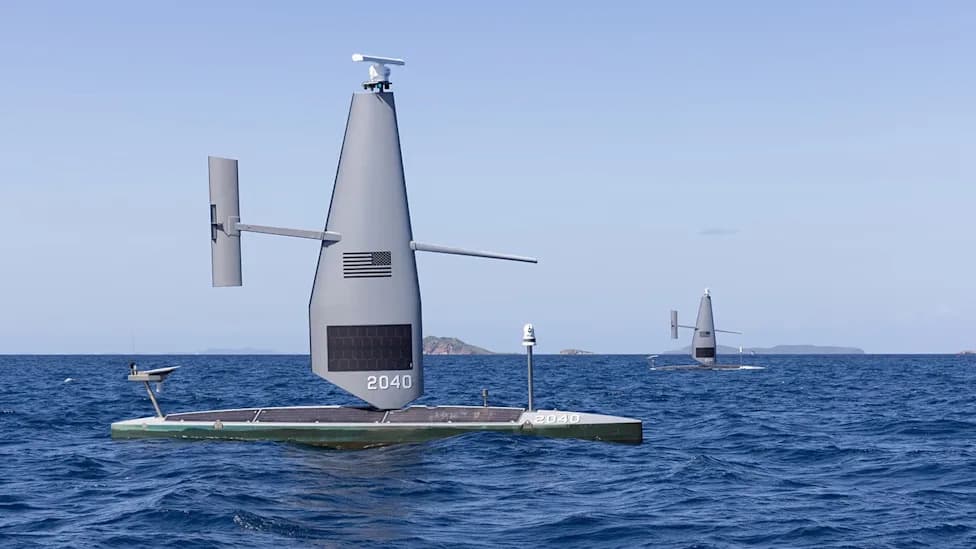
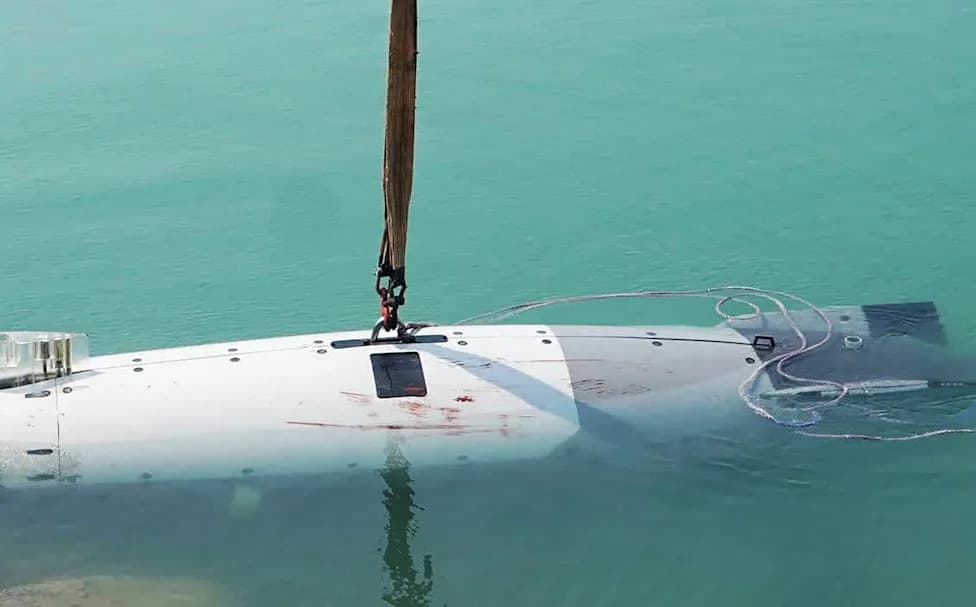
SWAP‑USV is a year‑long Defense Innovation Unit competition offering roughly $100M in prizes and eligibility for up to $200M in procurement to find market‑ready unmanned surface vessels that can launch small attack drones. The contest runs through three testing sprints—beginning with in‑water trials in fall 2026—and tests autonomy, payload capacity and operational performance. Required platform metrics include a 200‑nautical‑mile range and sustained 10‑knot speed, with emphasis on mature hardware ready for rapid adaptation.
Pentagon Launches $100M Competition for Drone‑Launching Unmanned Boats
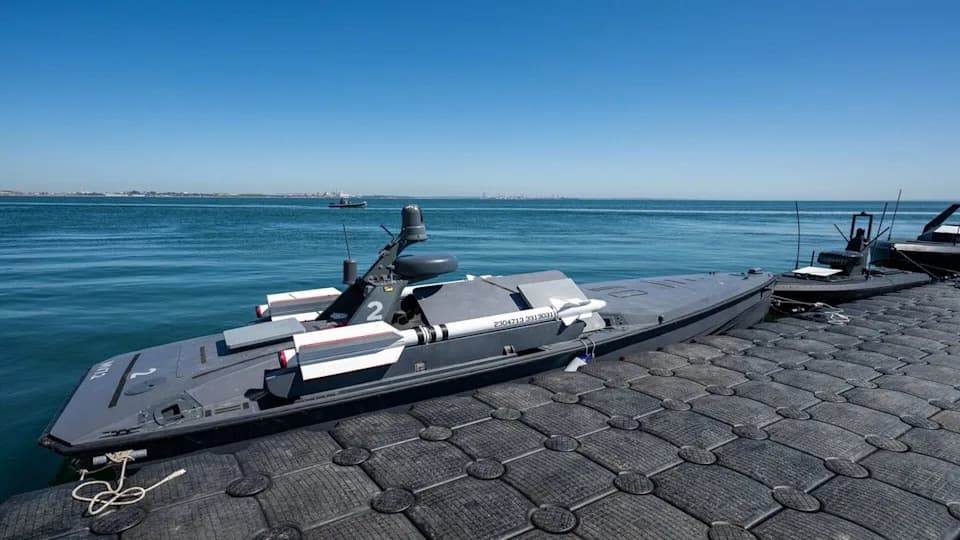
Credit: United24Media
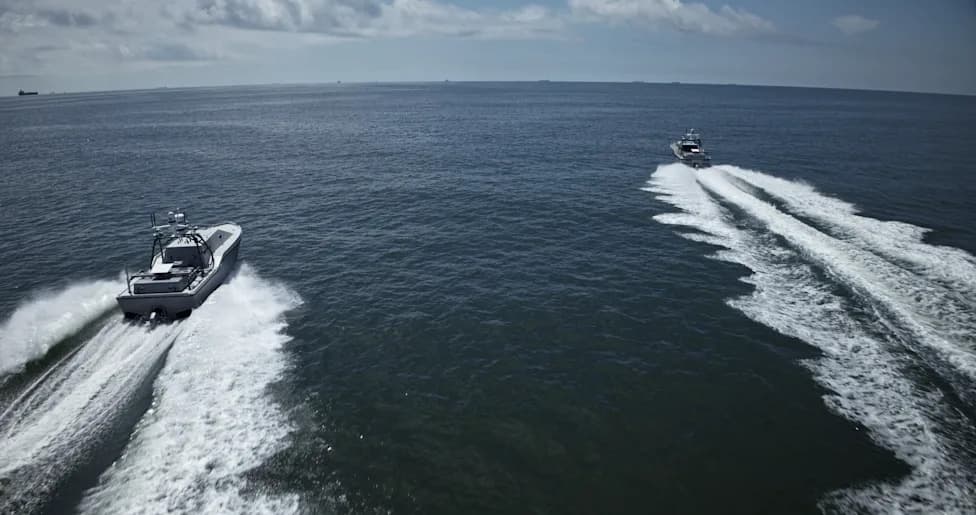
The Pentagon’s Defense Innovation Unit has opened a year‑long competition to find market‑ready unmanned surface vessels (USVs) that can autonomously patrol maritime areas and launch small attack drones from onboard systems.
What the Program Seeks
Known as Suitable Warfighting Adaptive Payloads (SWAP‑USV), the program aims to accelerate field‑ready maritime autonomy to counter low‑cost threats in contested waters. Organizers are offering roughly $100 million in prize funding and successful teams will be eligible for additional procurement contracts supported by up to $200 million.

Google logo on a black background next to text reading 'Click to follow TechRadar'
Competition Structure and Timeline
- Three testing sprints: Sprint 1 (in‑water testing) begins in fall 2026 and aims for full field deployment within 120 days of the start. Sprint 2 follows in early 2027 with an emphasis on expanded payload capacity. Sprint 3 is scheduled for summer 2027 and will serve as the final evaluation phase.
- Open participation: Maritime manufacturers, autonomy developers, sensor specialists, and established drone firms are invited to compete. Teams may enter at the phase that best matches their current capabilities.
Required Capabilities
The solicitation calls for mature, market‑ready platforms rather than experimental prototypes. Key performance requirements include:
- Autonomous operation across blue‑water and littoral environments without constant direct human control.
- Onboard sensors and autonomy sufficient to detect and track surface targets while patrolling or navigating to waypoints.
- Minimum operational range of 200 nautical miles (~370 km / ~230 miles).
- Sustained cruising speed up to 10 knots (~19 km/h / ~12 mph).
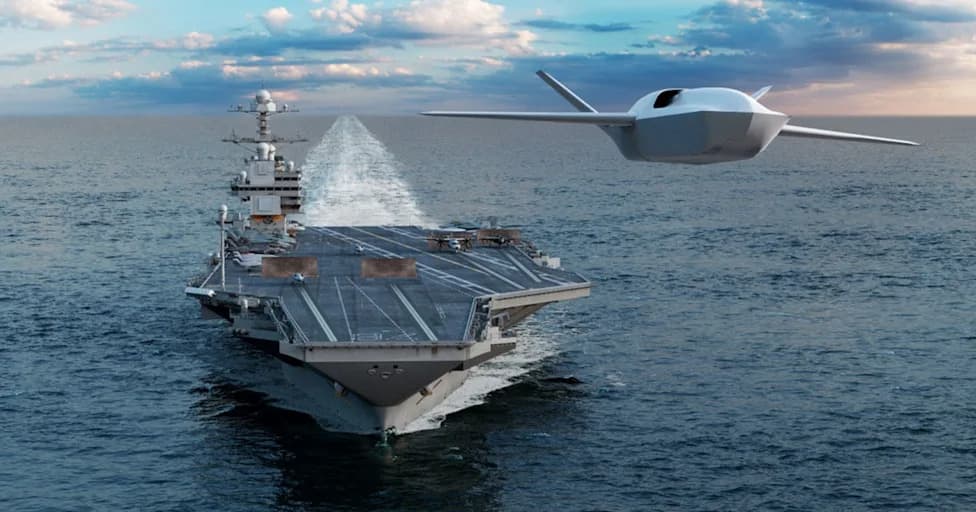
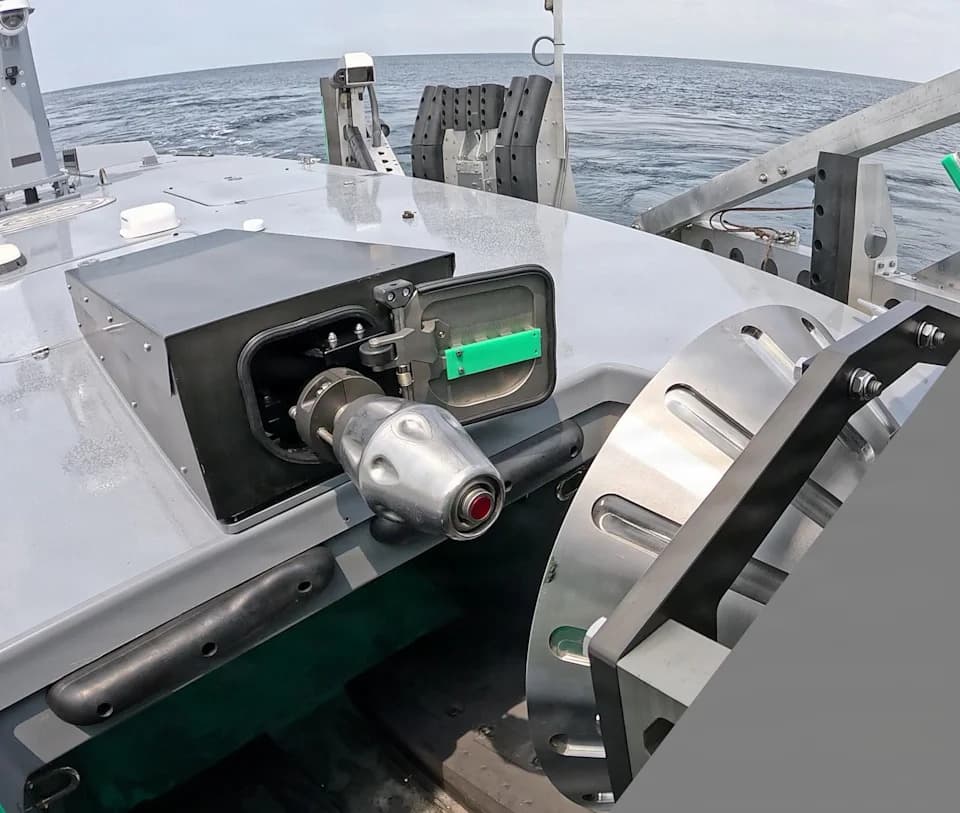
- Onboard launch and recovery systems capable of deploying cost‑effective small drones that can perform strike, electronic warfare, and communications‑relay missions.
Context and Rationale
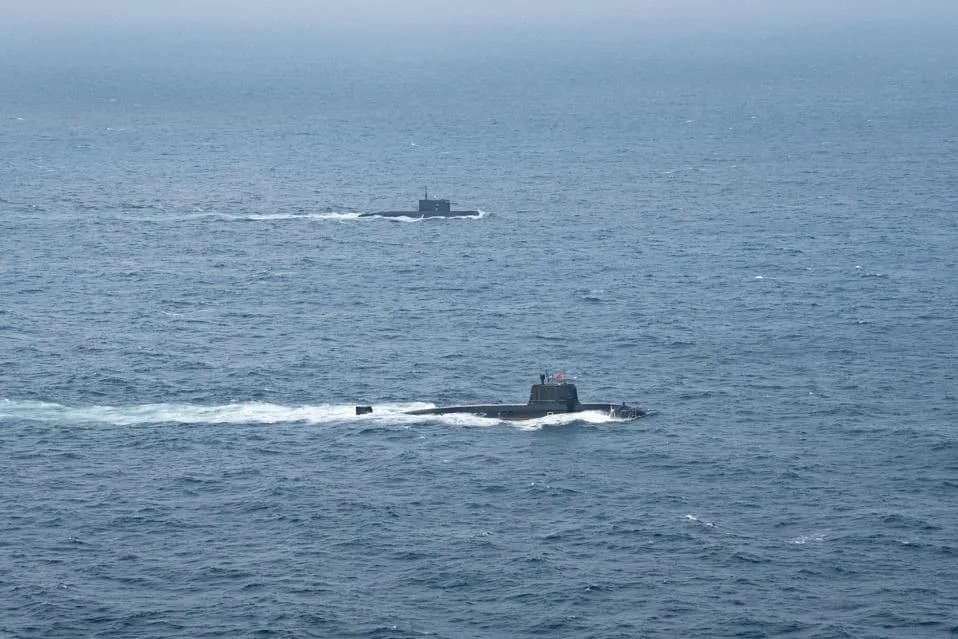
The Pentagon emphasizes rapid adaptation of existing commercial maritime technology so capabilities can be fielded quickly. Recent reporting notes increased operational use of unmanned boats in conflicts, and other partners such as the United Kingdom and Ukraine are developing and deploying novel maritime drone concepts—factors that underscore the strategic interest in ready, deployable systems.
Source: Solicitation and reporting referenced via The DroneFront and the Defense Innovation Unit.
Help us improve.