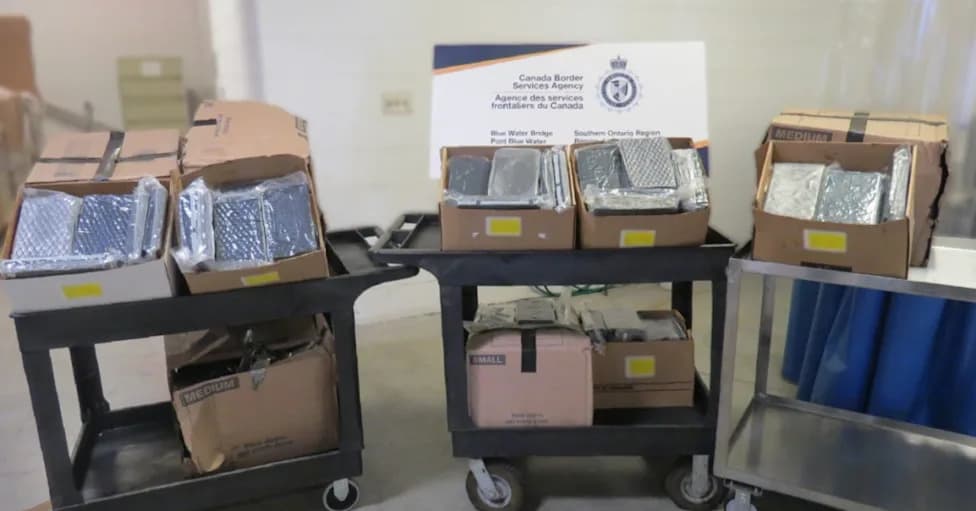
Project NoCargo, a yearlong pilot by the RCMP with CBSA, INTERPOL Ottawa and FINTRAC, intercepted 392 vehicles valued at about $28 million that were being exported after being fraudulently financed. Criminal networks are using stolen or fabricated identities to secure real loans and insurance, then shipping luxury SUVs overseas before lenders or insurers detect the fraud. FINTRAC produced 90 disclosures tied to auto theft and Équité reports a 72% rise in finance fraud at key ports, highlighting weak oversight of freight forwarders as a structural flaw. The shift means consumers should focus on credit freezes and monitoring loan inquiries as much as physical anti‑theft devices.
Bought, Not Broken: Inside Project NoCargo — Canada’s $28M Bust That Reveals a New Car‑Theft Model
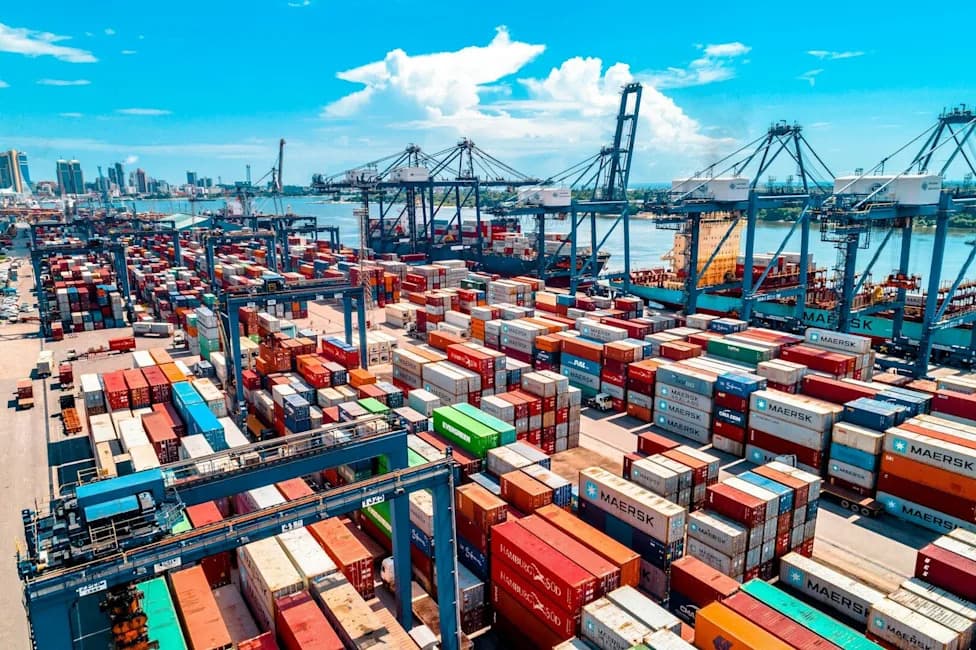
Canada's $28 Million Car Theft Bust Has a Twist: Nobody Actually Stole Anything
No smashed windows. No hot‑wired ignitions. No late‑night relay attacks on key fobs. Project NoCargo — a yearlong pilot led by the RCMP with the Canada Border Services Agency, INTERPOL Ottawa and FINTRAC — shows that many modern vehicle thefts in Canada start in an office, not a parking lot: criminals use stolen or fabricated identities to secure genuine loans and insurance, then export the cars before lenders or insurers detect the fraud.
How the Scheme Works
According to RCMP findings, organized networks acquire or invent identities and use those credentials to apply for real auto loans and insurance policies on actual vehicles. Once the paperwork is in place, the cars are loaded into shipping containers and sent overseas before banks or insurers realize the borrower or policyholder is not legitimate. In short: the theft is executed through paperwork and an export manifest, not by breaking into a vehicle.
Financial Forensics Meet Auto Theft
FINTRAC — Canada’s financial intelligence agency normally focused on money laundering and terrorism financing — has become a central player. Over the past two years FINTRAC generated 90 disclosures related to auto theft, reviewed more than 76,000 transactions and flagged 408 subjects of interest. The same tracing techniques used to follow cartel money are now being applied to shipped SUVs.
Project NoCargo Results: The RCMP intercepted 392 vehicles valued at roughly $28 million at ports in Halifax, Montreal, Toronto and Vancouver during the pilot.
Why This Matters
Équité Association, the insurance industry’s anti‑fraud body, reported a 72% year‑over‑year rise in vehicle finance fraud detected at the ports of Montreal and Halifax, while national vehicle theft fell 18% overall. The Port of Halifax alone saw an 89% surge. Équité’s national vice‑president of intelligence, Bryan Gast, warns that profits from these operations “directly fund drug and gun trafficking, and international terrorism.”
Do the math on the RCMP numbers and the average seized vehicle was worth about $71,000 — squarely in the luxury and near‑luxury SUV market, which is easy to finance and quick to resell abroad. Yet Project NoCargo recovered only a portion of the problem: the Canada Border Services Agency reports intercepting 1,590 stolen vehicles at ports and railyards in 2025 alone, roughly four times what the fraud‑focused pilot recovered in its first year.
A Structural Gap: Freight Forwarders
The Insurance Bureau of Canada has been blunt: weak oversight of freight forwarders — firms that book containers and arrange exports — is a structural vulnerability. In Canada, it is relatively easy to set up as an export intermediary with minimal scrutiny, creating an opening that fraudsters exploit. Project NoCargo works around that gap but does not close it.
National Picture And Consumer Risk
IBC data show theft claims fell 24% and claim values dropped 30% between 2024 and 2025, but claim values remain up 169% over the past decade and Canadians paid $724 million in theft claims last year, nearly triple the 2015 total. Recovery rates lag: Équité reports only 51% recovery in Ontario and 48% in Quebec, meaning many stolen vehicles disappear into chop shops, re‑VIN operations or unopened containers.
What Vehicle Owners Can Do
Hardware theft defenses like immobilizers, steering locks and GPS trackers do little against fraud that begins with identity compromise and a loan application. Practical protections are financial: place a credit freeze or fraud alert, monitor credit reports for suspicious loan inquiries, and check insurance notifications closely. Regulators can also help by tightening oversight of freight forwarders and adopting FINTRAC‑style financial cooperation across borders.
Bottom Line: Project NoCargo exposed a shifting model of car theft where the crime scene is a loan application and a shipping manifest. Addressing it will require both smarter financial tracing and stronger export controls, not just better anti‑theft hardware.
Help us improve.