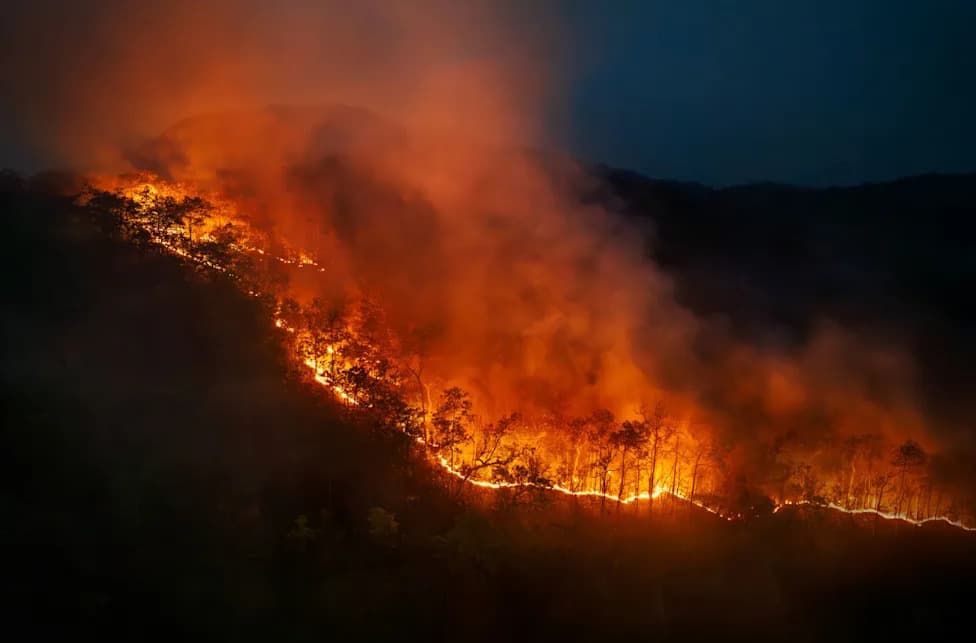
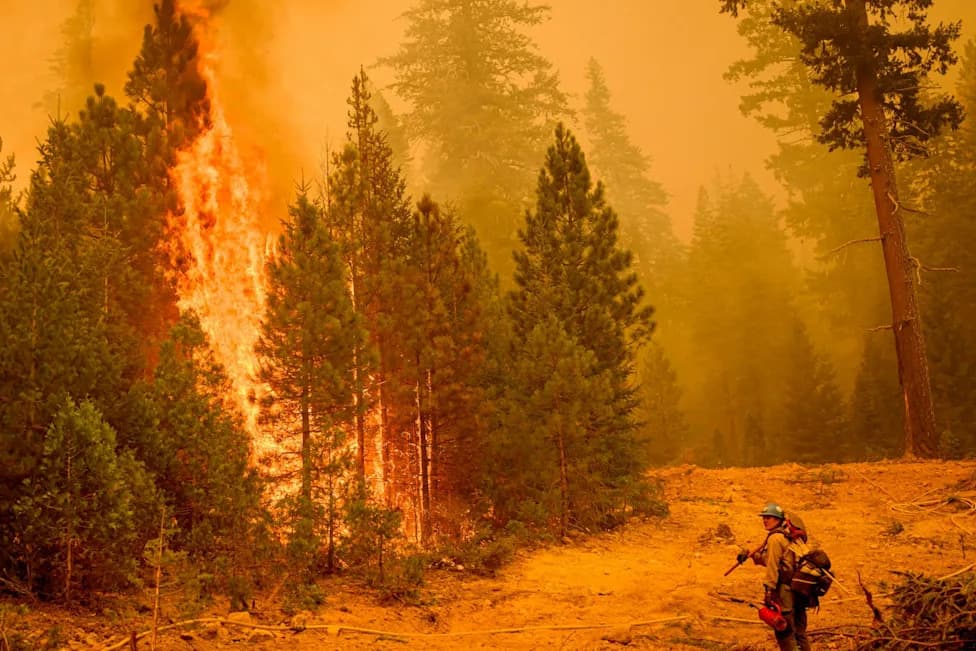
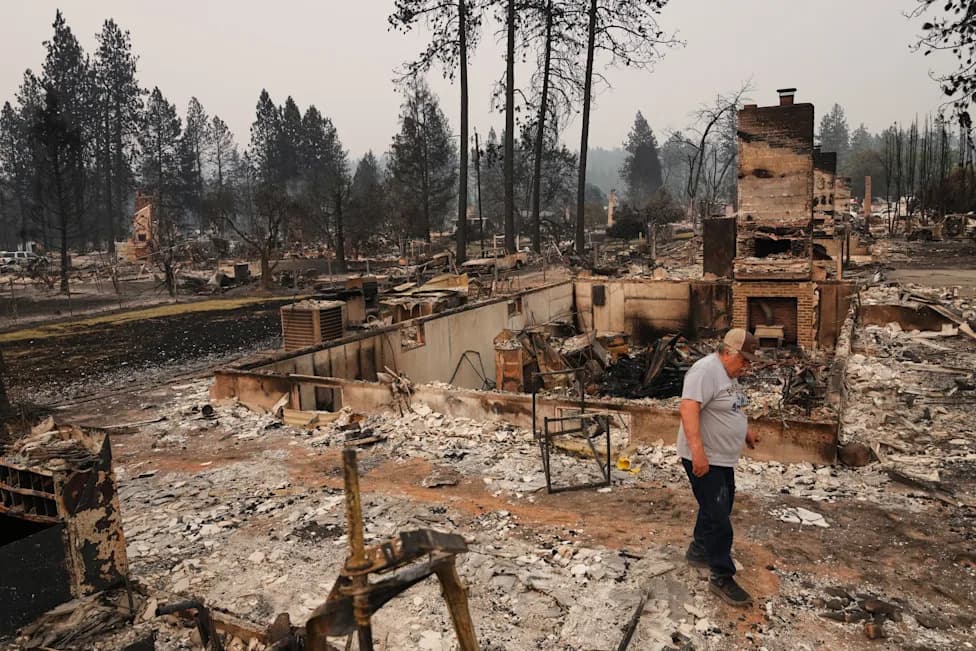
The Trump administration delayed $15 million in Forest Service wildfire-prevention grants to Spokane-area organizations as the region battles major wildfires that forced about 65,000 people to evacuate. The awards—$9.3M for the Spokane Conservation District and $5.5M for Spokane Valley Fire Department—were part of the Community Wildfire Defense Program but were held up by a dispute over USDA conditions tying grants to immigration and DEI policies. A federal judge enjoined the policy in June and agencies signed agreements in July, yet funds have not been released; local officials say timely fuel-reduction work could have reduced vulnerability.
Delayed USDA Grants Left Spokane Vulnerable as Major Wildfires Engulf the Region
DEI dispute delayed wildfire grants for area engulfed in blazes
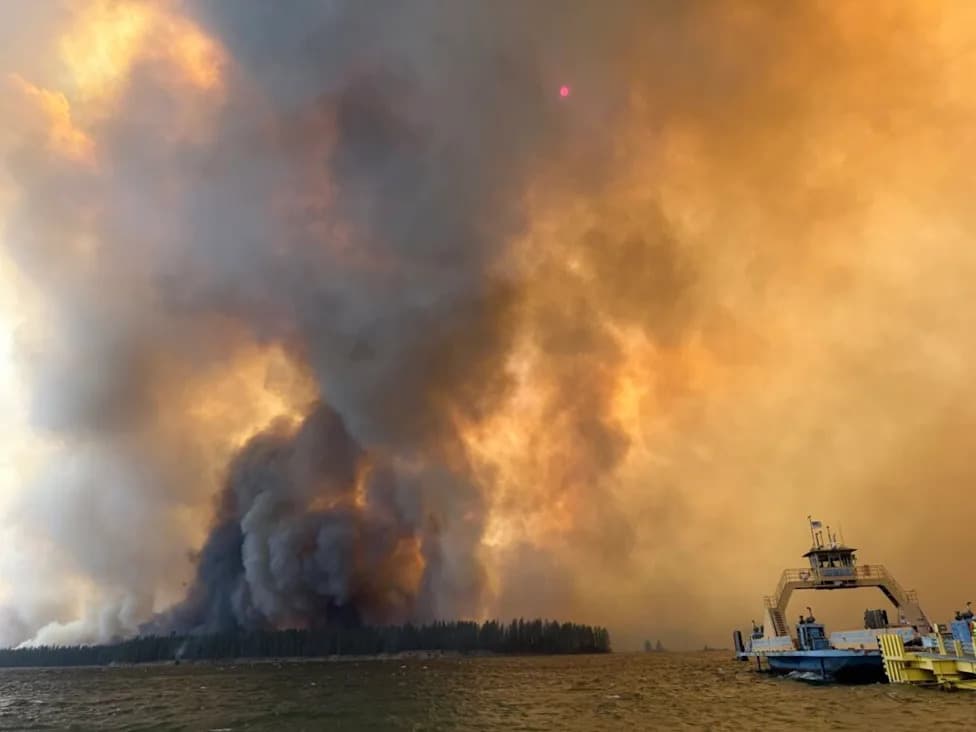
The Trump administration withheld millions in wildfire-prevention funds for months from Washington communities now fighting multiple major blazes that prompted evacuations for roughly 65,000 people.
Two organizations in the Spokane region say they are still awaiting $15 million in Forest Service grants announced in September 2025 for local projects to reduce wildfire risk. The applicants expected the funds months earlier and say the delays slowed planned fuel-reduction work that could have mitigated fire risk.
What Was Held Up
The $15 million award includes $9.3 million for the Spokane Conservation District to mitigate wildfire risk across Spokane County and $5.5 million for the Spokane Valley Fire Department to reduce threats in Spokane Valley, according to USDA documents. The grants were part of the Community Wildfire Defense Program, a $1 billion initiative created in 2022 that distributes about $200 million a year to top applicants.
The Impact on the Ground
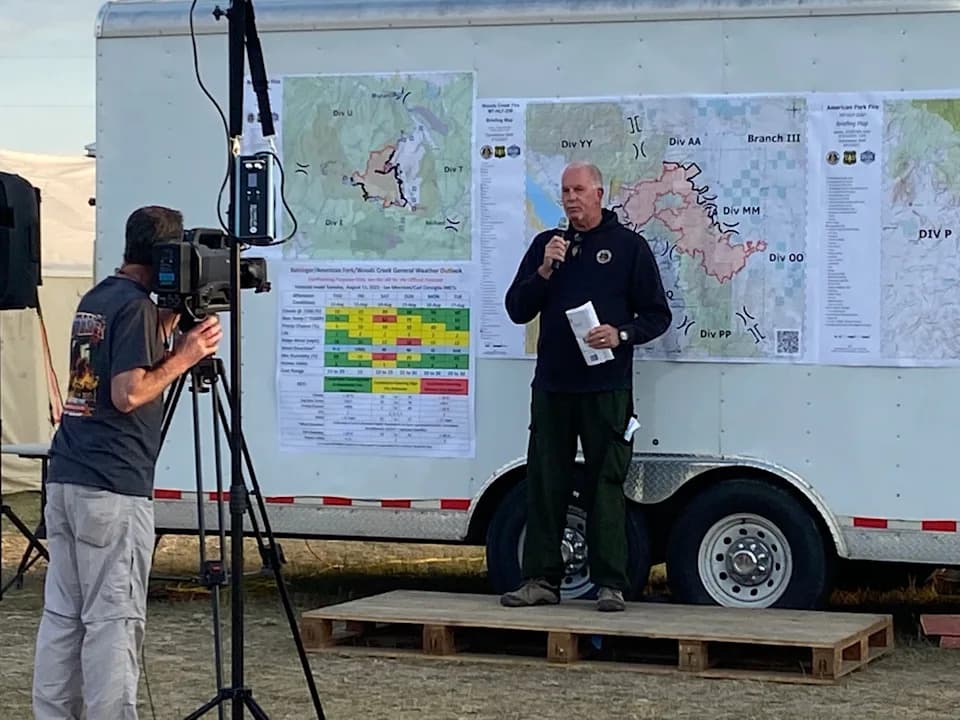
It is unclear whether the delayed funds would have changed the course of three wildfires that began Saturday in the Spokane area. The fires have damaged or destroyed more than 900 buildings and consumed more than 10,400 acres; federal data showed the blazes were roughly 10% contained as of Thursday afternoon.
Local officials and wildfire experts said delays reduced opportunities to begin mitigation work before the season. "If the grant funds had been released on schedule, the projects would only be getting underway now," said Cori Turntine, operations director at the Spokane Conservation District.
"Fuel reduction is really important because it has the potential to change fire behavior," said Lance Dahl, assistant chief at the Spokane Fire Department. "Thinning trees and removing dead vegetation can reduce how flames move from the ground into the canopy and limit a fire's size and intensity."
Why Funding Was Delayed
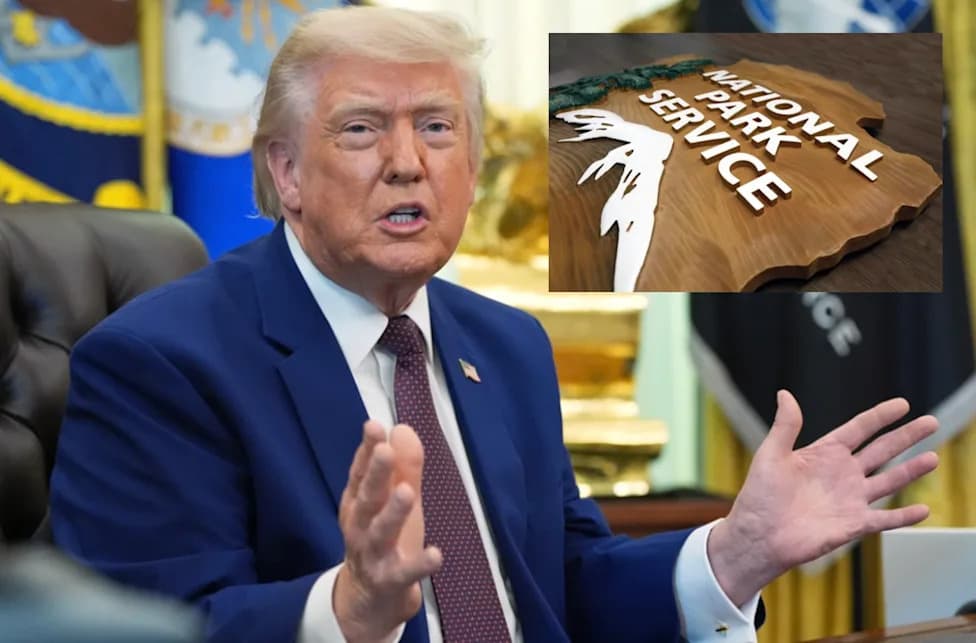
The grants were among billions of dollars in Agriculture Department funding stalled by a dispute over new USDA terms and conditions. The requirements attached to some grants asked states to accept administration priorities on immigration enforcement and the elimination of diversity, equity and inclusion (DEI) programs.
Twenty Democratic-led states, including Washington, sued to block the policy. A federal judge enjoined the rule in June, and agencies signed grant agreements in July intended to allow funding to flow. USDA and the Washington State Department of Natural Resources said the wildfire grant agreements were signed in July, but the timing for releasing cash remains unclear. Washington declined to sign the attached policy language because it conflicts with state law, including restrictions on participating in immigration enforcement activities.
USDA issued a statement saying it was "working closely with our state, local, and federal partners to provide every available resource" and noted that 242 agency personnel were assigned to the Spokane incidents.
Local Plans and Concerns
Representatives from the Spokane Valley Fire Department and the Spokane Conservation District say they have received draft funding agreements from the Washington Department of Natural Resources. The conservation district plans to use the award to thin forests, support homeowner vegetation clearance near residences, and make properties more resilient to wildfire.
"This work helps tame wildfire as it moves from the wildland into urban and residential areas," Spokane Valley Fire Department Deputy Chief Brett Anderson said. Officials stressed that coordinated, cross-jurisdictional work is essential: treating isolated parcels is less effective if neighboring lands remain untreated.
Why It Matters
Experts and environmental advocates criticized tying disaster-mitigation funding to unrelated political conditions. "That idea that funding to mitigate catastrophic wildfires would be subject to shifting federal government priorities is really dangerous," said Brittany Fallon of Western Resource Advocates. Athan Manuel of the Sierra Club added that taxpayers in affected communities should be able to receive federal help without additional ideological hurdles.
As the region fights active fires, local leaders say timely, coordinated fuel reduction remains a crucial tool to limit future fire severity and protect communities in increasingly dry, fire-prone landscapes.
Help us improve.