Jess and Marcus Gray bred a composite, purpose‑bred cow for grazing under solar panels to make agrivoltaics more acceptable to solar operators. The herd combines Dexter, Belted Galloway, Piney Woods and American Milking Devon genetics, producing roughly 1,000‑pound, hornless animals that are docile and selected for heat and disease resistance. The Grays plan to graze cattle and sheep together to improve pasture use, parasite control and farm income, while panels provide shade that can benefit animal welfare and growth.
Farmers Bred a New Cow to Maintain Solar Farms — Docile, Heat‑Tolerant Herd Designed for Agrivoltaics
Volodymyr TVERDOKHLIB/Shutterstock
Farmers Jess and Marcus Gray of Gray's LAMBscaping have developed a purpose‑bred cow designed to graze safely and effectively beneath solar panels, helping bridge the gap between renewable energy developers and agricultural land users. The Grays used selective breeding to combine traits that make the animals practical for industrial solar sites while still meeting animal welfare and farm productivity goals.
What Makes These Cows Different
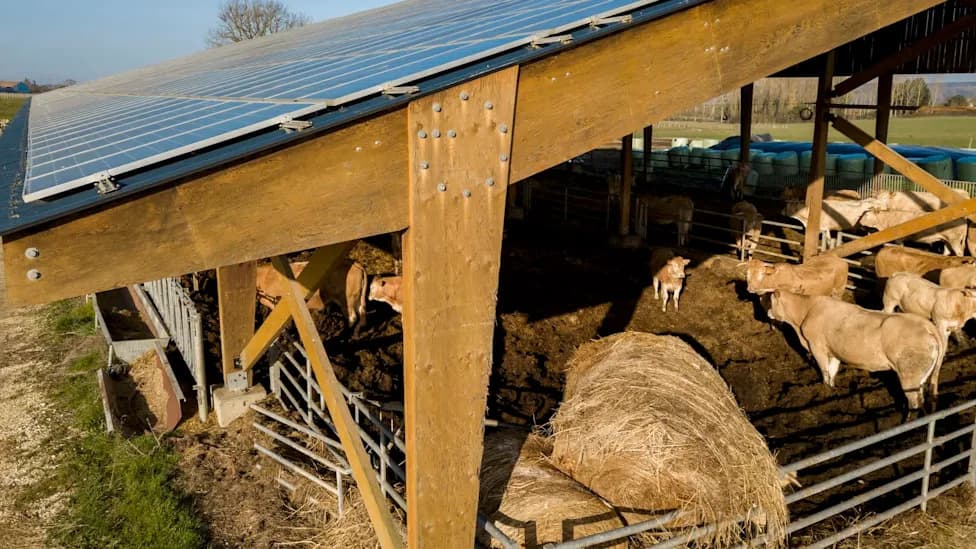
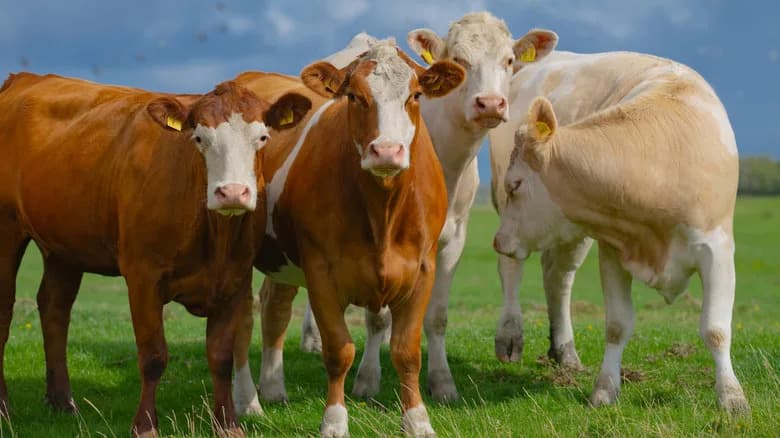
The Grays created a composite breed drawing genetics from Dexter, Belted Galloway, Piney Woods and American Milking Devon cattle. The resulting animals average roughly 1,000 pounds, are naturally hornless (polled), bred for a calm, docile temperament, and selected for heat tolerance and disease resistance. Those characteristics reduce the chance of worker discomfort around the animals and lower management challenges on solar facilities.
demirbaslperen/Shutterstock
Practical Benefits for Solar Sites
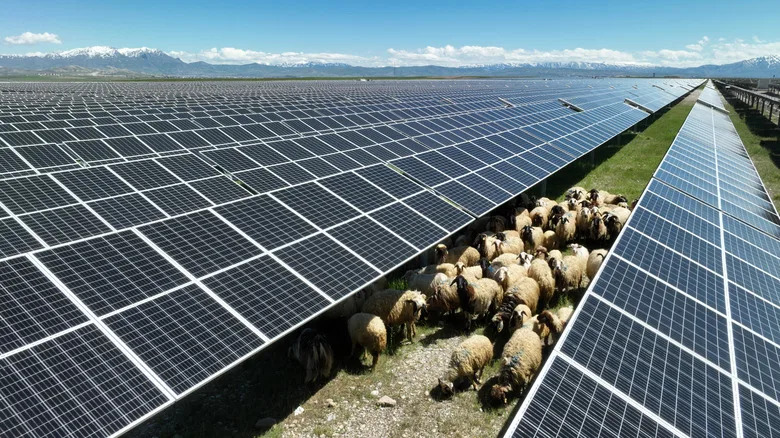
At a virtual conference hosted by Michigan State University, the couple explained their goals: develop stock that can maintain groundcover, control weeds, and provide low‑cost lawn maintenance for solar operators. The cows also benefit from the shade and cooler microclimates panels create, which can help animals thrive during extreme heat. Jess Gray reports her herd "thrives and grows better, faster, and cheaper" on solar sites compared with some conventional pastures.
Integrated Grazing And Farm Economics
The Grays plan to run cattle and sheep together in the same pastures. Mixed grazing can improve pasture utilization, aid parasite control, deter predators, and create multiple revenue streams—a model the Grays refer to as "stacked enterprises." For farmers, leasing grazing rights to solar developers or contracting maintenance provides predictable income while reducing mowing costs for energy companies.
Agrivoltaics And Other Multiuse Innovations
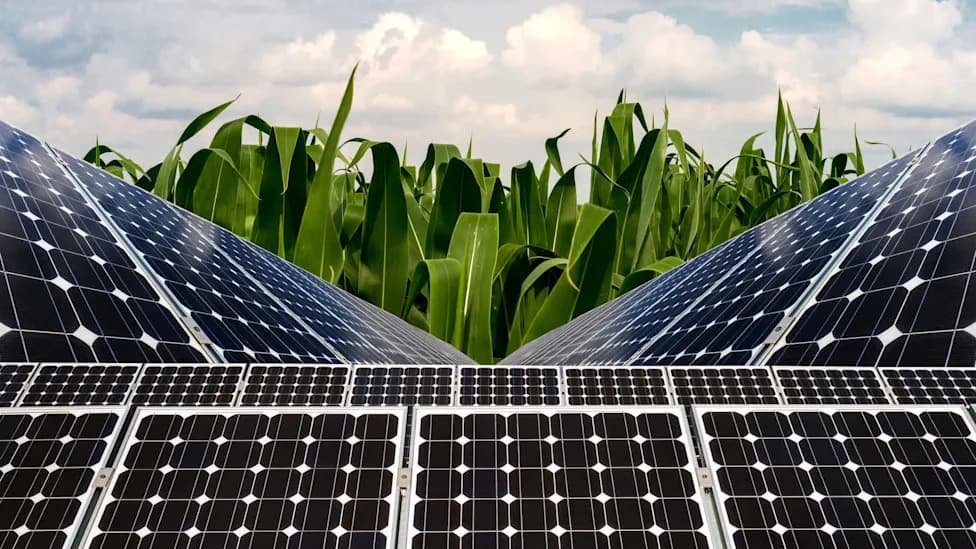
Agrivoltaics extends beyond livestock: crops grown under panels benefit from reduced solar radiation at ground level, moderated soil temperatures and improved moisture retention. Large installations in China have even seen vegetation establish in previously inhospitable areas. Other experiments—such as floating solar arrays that foster aquatic ecosystems—show how multiuse solar projects can increase land‑use value and counter the perception that solar farms waste space.
Bottom line: Purpose‑bred livestock tailored to the specific needs of solar facilities can ease collaboration between farmers and solar operators, improve animal welfare in hot climates, and expand practical agrivoltaic solutions.
Help us improve.