ICE will equip all field officers with body-worn cameras by the end of September, but a new policy lets the agency decide when footage is made public. A senior-official review panel can recommend releases within 72 hours, yet the ICE director may delay or block publication for "specific and compelling circumstances" that the policy does not define. Experts and the Brennan Center warn that this discretion could blunt accountability, and research on body cameras' impact on use of force remains mixed. ICE purchased $30.9 million in equipment in July, in addition to $20 million previously allocated by Congress.
ICE Will Outfit All Field Officers With Body Cameras — But Agency Controls What the Public Sees
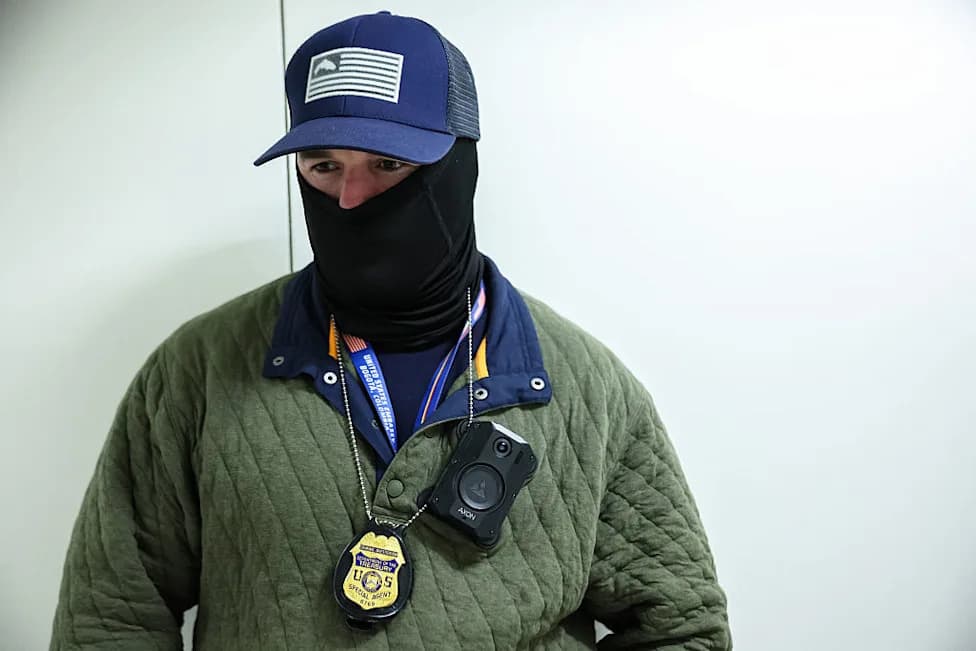
All ICE agents will be required to wear body cameras by September 2026. But DHS can decide how and when to release them as its own discretion over any perceived transparency and public information. Michael M. Santiago / Getty Images
Immigration and Customs Enforcement (ICE) says it will equip all field officers with body-worn cameras by the end of September, but a new agency policy gives ICE broad discretion over whether and when recordings are released to the public.
What the Policy Says
Under the policy, footage from shootings or incidents that result in death or serious injury will be reviewed by a senior-official committee made up of ICE leaders and attorneys. That panel can recommend making video public within 72 hours, but the ICE director may delay or block release if there are "specific and compelling circumstances." The policy does not define what those circumstances include.
Context and Concerns
The rollout follows a string of high-profile and sometimes fatal encounters involving federal immigration officers, including separate shootings last month in Texas and Maine that killed two men. Neither of those incidents was captured on an officer's body camera; in other cases, civilian video has been critical in challenging official accounts.
"In some ways, ICE is saying the quiet part out loud," said Christopher Schneider, a sociology professor who studies police body cameras, telling The Associated Press that selective-release rules allow law enforcement agencies to shape their public image.
The Brennan Center for Justice has similarly warned that the effectiveness of body-worn cameras depends heavily on the policies that govern their use — when cameras must be activated, whether footage is accessible to the public, and what consequences officers face for failing to follow rules. Research on body cameras is mixed: some studies find reductions in complaints against officers, while evidence that cameras reduce use of force is inconclusive.
Costs and Defense
Federal spending records cited by the Associated Press show ICE purchased $30.9 million in body-camera equipment in July, on top of $20 million Congress had previously allocated. Supporters of the program, including Tom Homan, former Immigration and Customs Enforcement acting director and president Donald Trump’s former border czar, argue that body cameras often exonerate officers and let the public "see what the officers saw."
Still, experts caution that giving the agency final authority over what footage is released could undermine the transparency and accountability advocates expect body cameras to provide — especially when the policy leaves key terms undefined.
Help us improve.