Masrour Barzani says the Kurdistan Regional Government wants to remain neutral in the wider US-Israel-Iran conflict and supports Baghdad's effort to centralize weapons under state control. The region has sustained more than 1,000 missile and drone strikes since February 28, including a March attack on the al-Harir base near Erbil, which Barzani says has not hosted US combat troops for nearly a decade. The KRG backs a state monopoly on arms and a September 30 disarmament deadline for militias.
KRG Seeks Neutrality as Region Endures 1,000+ Missile and Drone Strikes, PM Barzani Says
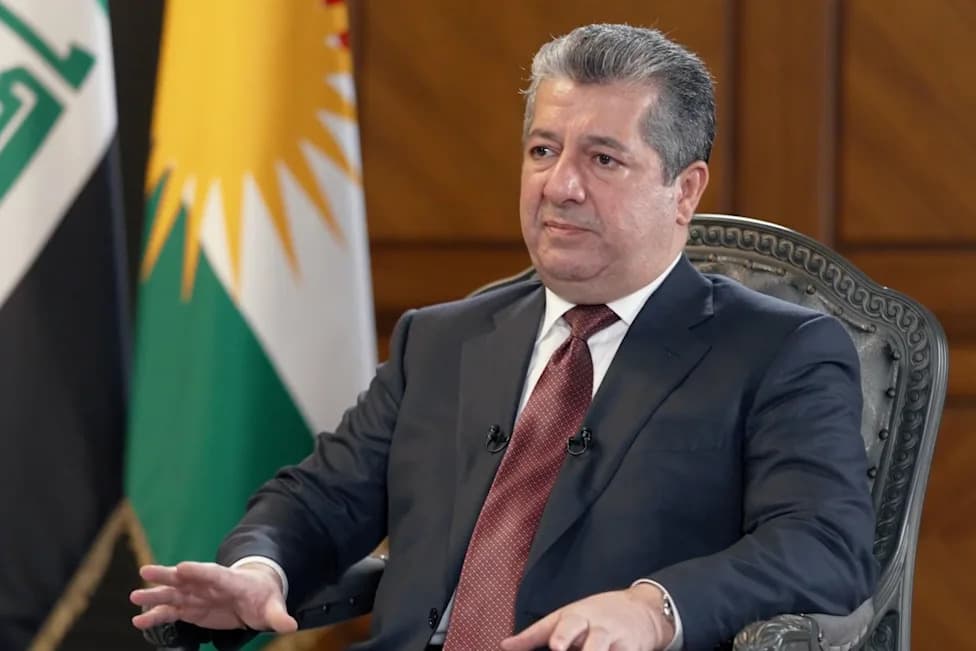
Prime Minister Masrour Barzani said all attacks against Kurdish region are 'unjustified' [Al Jazeera]
Masrour Barzani, Prime Minister of the Kurdistan Regional Government (KRG) in northern Iraq, told Al Jazeera in an exclusive interview that the semi-autonomous Kurdish region does not want to be drawn into the wider regional conflicts sparked by the US and Israel's war on Iran. He also said the KRG supports Baghdad's move to place weapons under state control.
'No party has pressured us to get involved in the war and we do not want to be a party to any conflict in the region,' Barzani said.
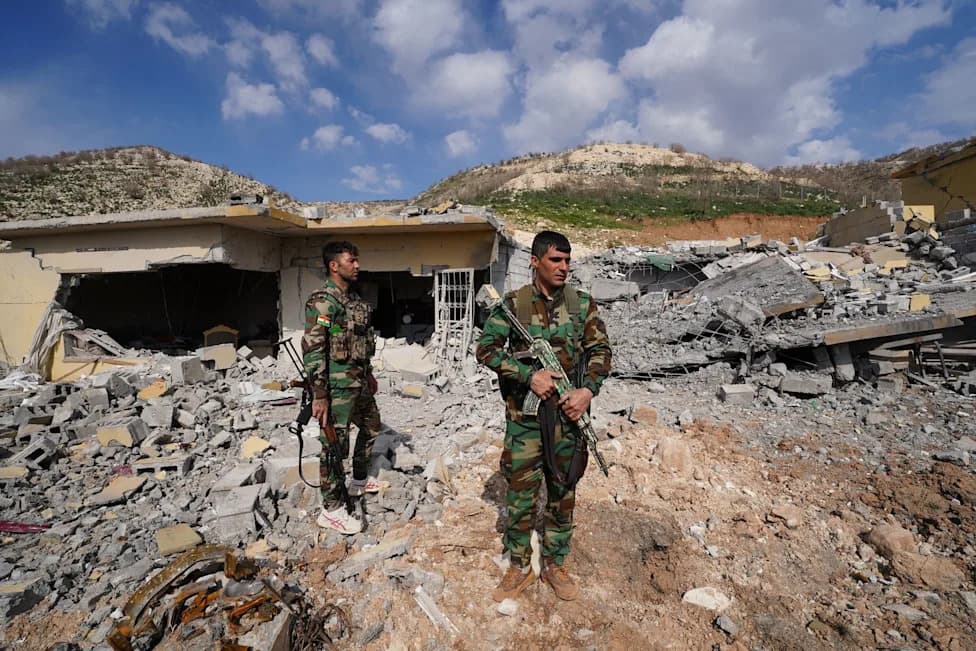
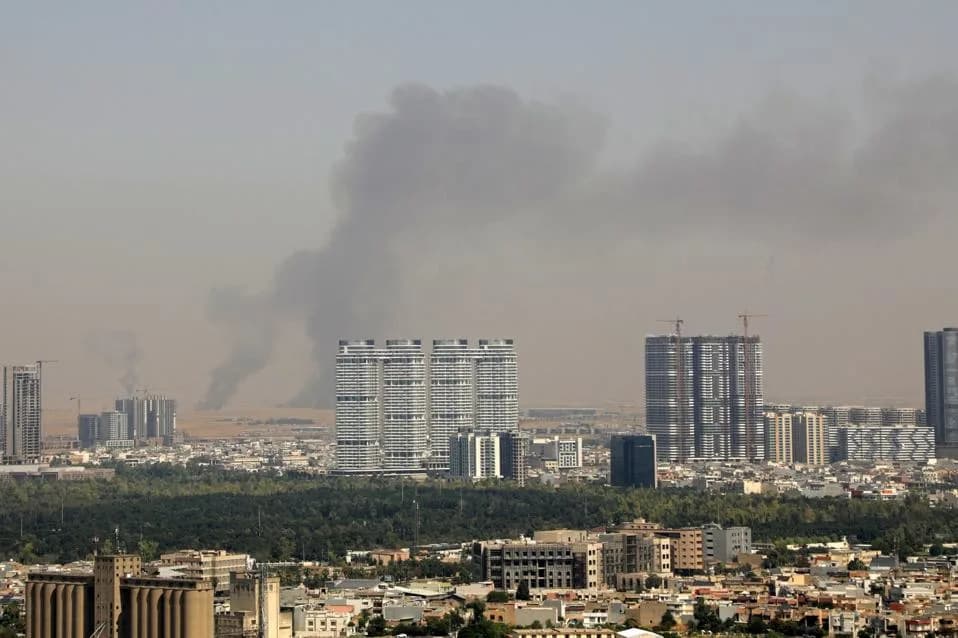
Barzani described the human and infrastructure toll on the Kurdistan Region since the fighting escalated on February 28, saying the area has suffered severe damage from more than 1,000 missile and drone attacks. He attributed these strikes either to direct Iranian launches or to militia groups operating inside Iraq.
Al-Harir Strike and US Presence
In March, Iran's Islamic Revolutionary Guard Corps (IRGC) struck the al-Harir air base near Erbil with five missiles, calling the facility 'the headquarters of the invading US army.' Barzani responded that the base has been empty of US combat troops for almost a decade, since the US-led campaign dismantled ISIL's territorial hold, though he noted that US forces remain in Erbil in an advisory and counterterrorism capacity and that their presence has been repeatedly targeted.
Support For Centralized Control Of Weapons
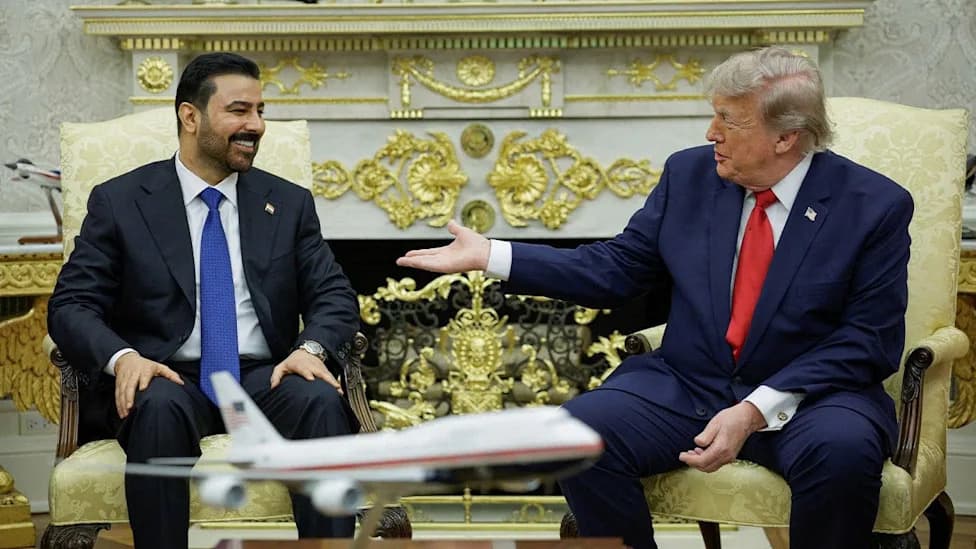
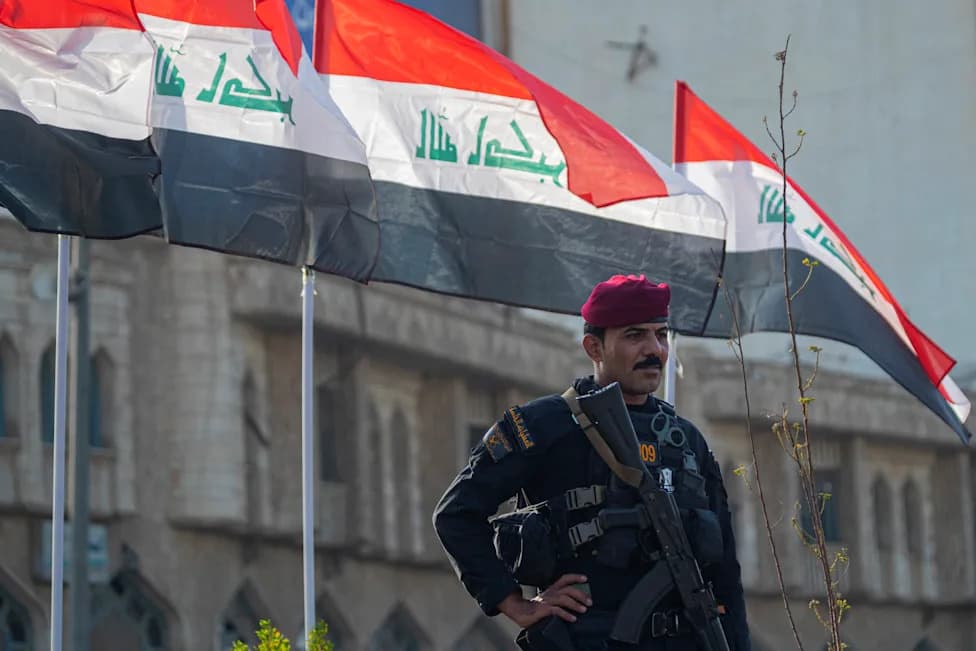
Barzani said the KRG backs the Iraqi government’s plan to restrict arms to official state forces only. In May, Iraq's Prime Minister Ali al-Zaidi pledged that the state would hold a monopoly on arms after years of powerful paramilitary groups operating since the 2003 US-led invasion. The Baghdad government has set a September 30 deadline for armed factions to disarm and hand over weapons to state authorities.
Regional Relations And Kurdish Opposition
Barzani emphasized that the KRG has no relations with Israel, while ties with Syria and Turkey are deepening and guided by mutual cooperation. KRG President Nechirvan Barzani met Syrian President Ahmed al-Sharaa this week in what was described as the first visit by an Iraqi Kurdish leader to Syria since the fall of Bashar al-Assad in December 2024.
Meanwhile, Iranian Kurdish opposition parties have been on high alert since the start of the US-Israeli conflict with Iran. Their bases in the Kurdistan Region of Iraq and inside Iran have been placed on the front lines, and there is widespread discussion about the possibility of Iranian Kurdish fighters becoming involved in efforts to challenge Tehran. US and Israeli officials, including former US President Donald Trump and some Israeli figures, have suggested that arming these groups could shift the balance of power inside Iran, where Kurds represent roughly 10% of the population.
Context: The KRG’s public insistence on neutrality and its support for Baghdad’s disarmament push reflect concerns about escalation, internal security, and the safeguarding of regional stability amid a volatile and multi-sided conflict.
Help us improve.