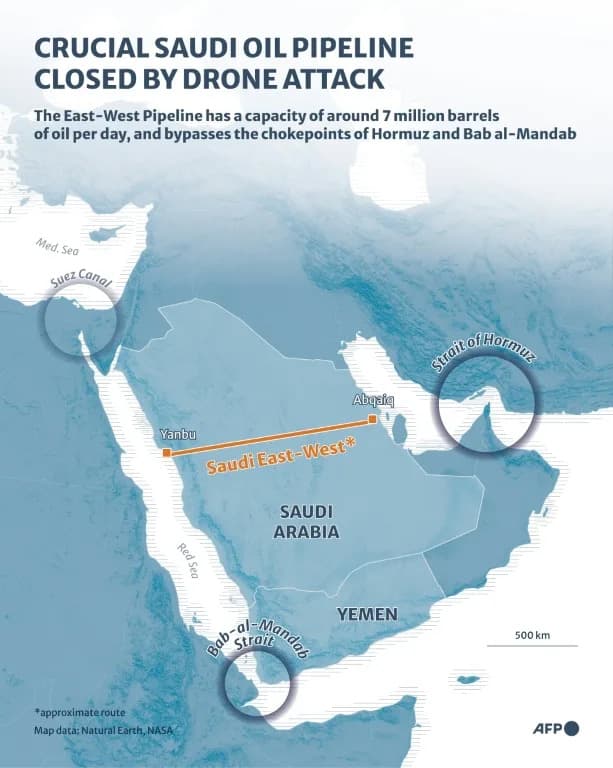
Diplomatic progress that could ease tensions in the Strait of Hormuz is colliding with a renewed Houthi offensive in Yemen that threatens the Red Sea and Bab el-Mandeb. Attacks on Marib and Hadramawt have killed dozens of government soldiers and targeted commercial shipping, including Saudi-linked tankers. The disruption has already steered major container lines away from the Suez route, adding time and billions in costs. Renewed fighting risks widening the conflict and imperilling a second vital maritime corridor.
As One Oil Chokepoint Calms, Houthis Threaten Another — Red Sea Strikes Risk Global Trade
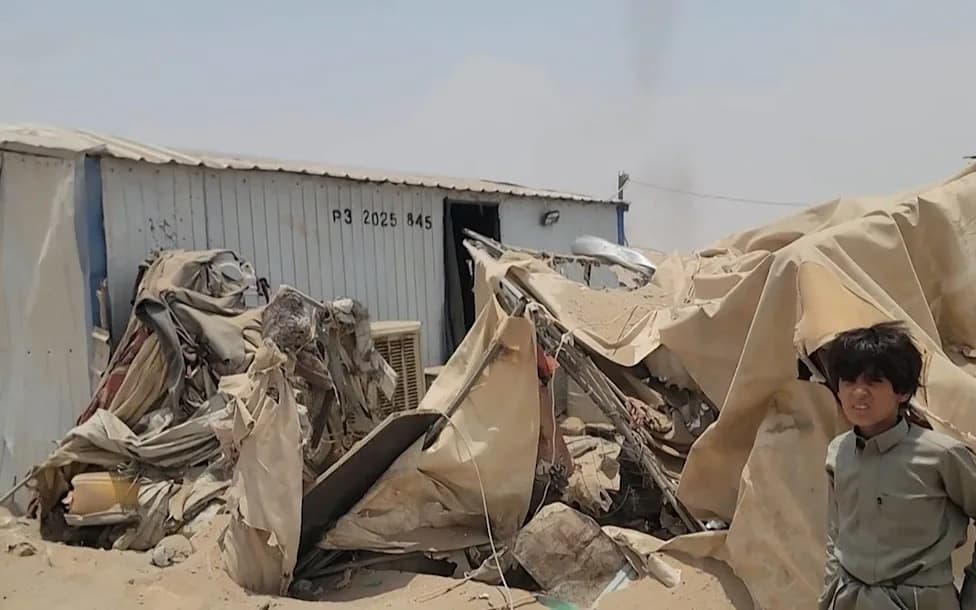
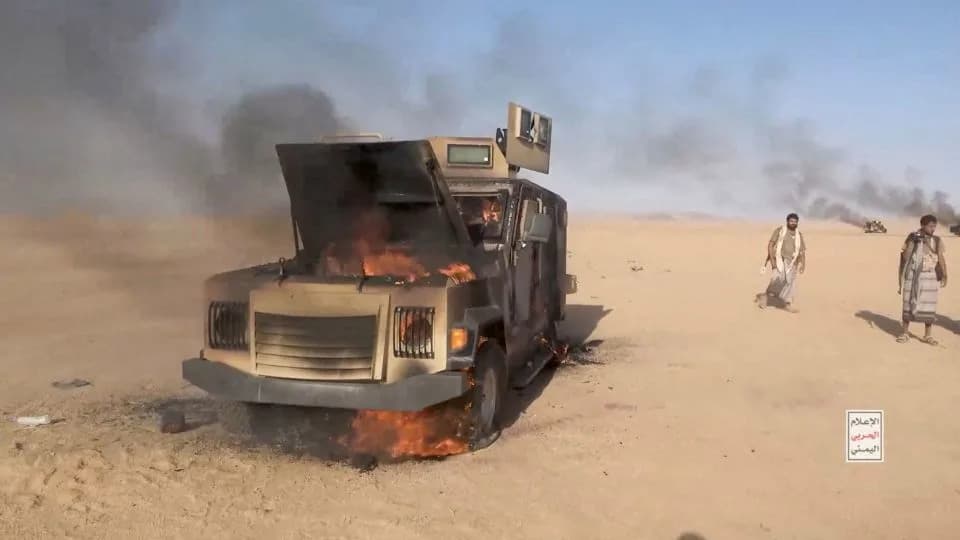
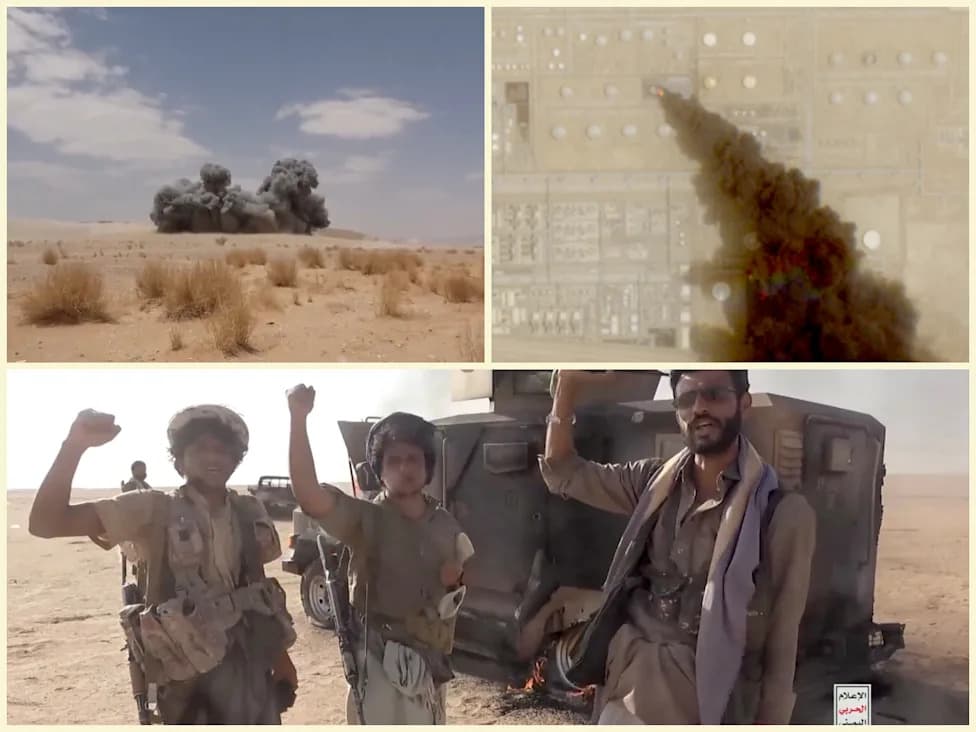
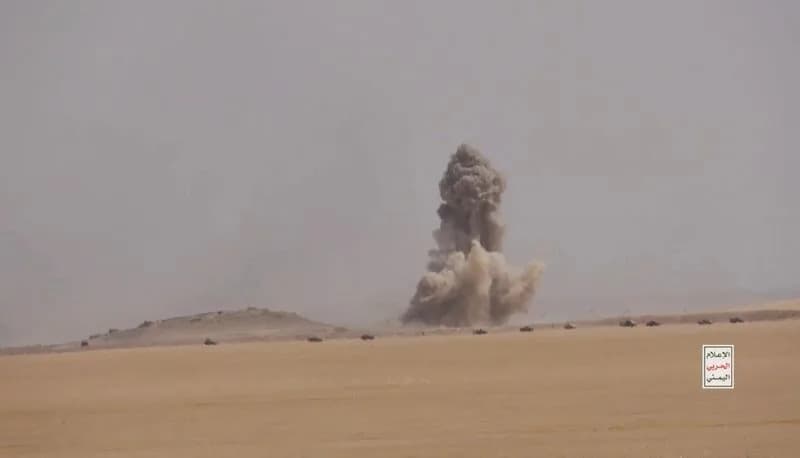
The Yemeni government has warned that the death toll could rise following attacks by Houthi rebels on military camps in eastern and central Yemen - AFP
Diplomats on opposite sides of the Arabian Peninsula are confronting two very different challenges: as talks edge toward reopening the Strait of Hormuz, renewed Houthi attacks from Yemen are jeopardising shipping and energy flows through the Red Sea and Bab el-Mandeb.
What Happened
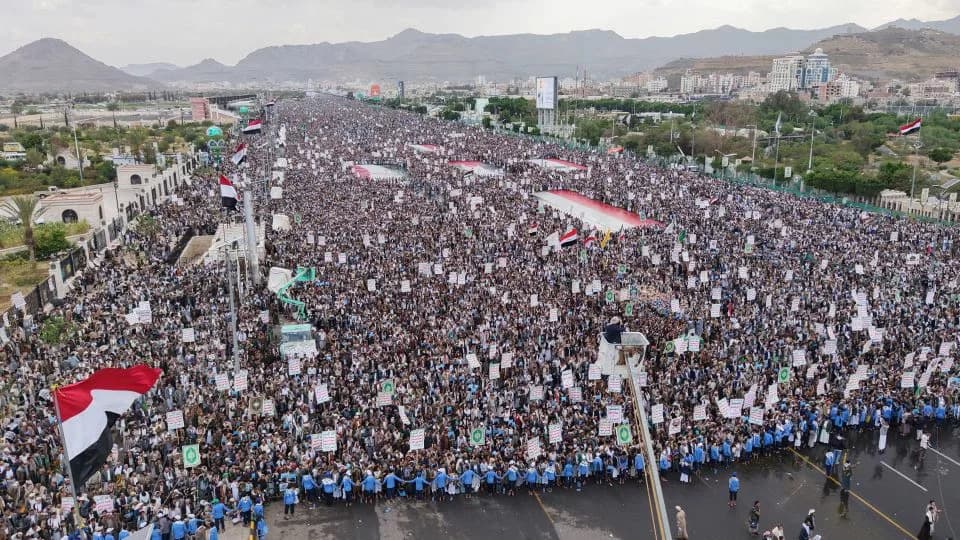
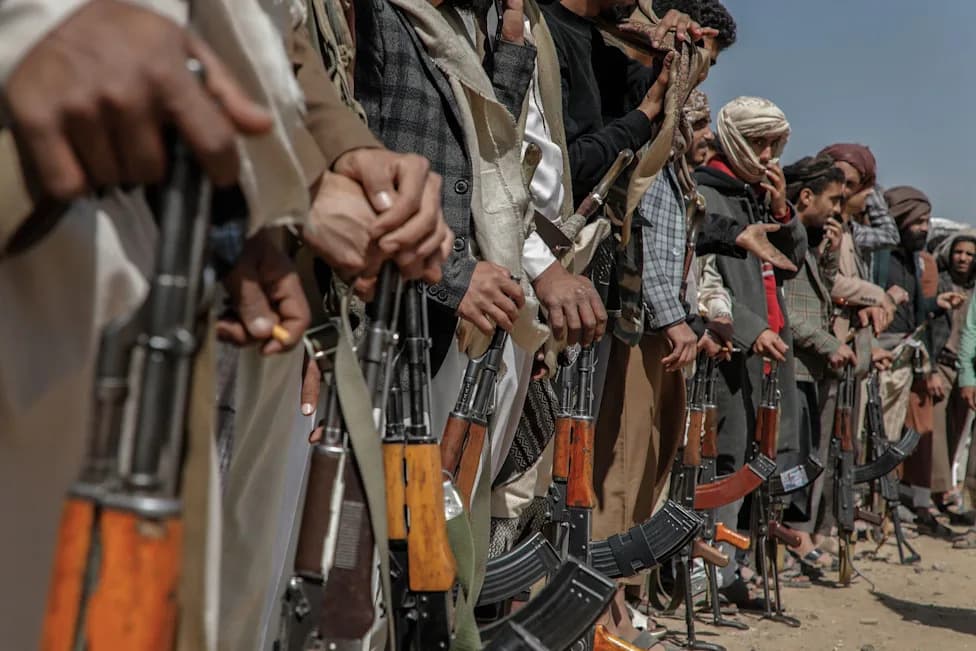
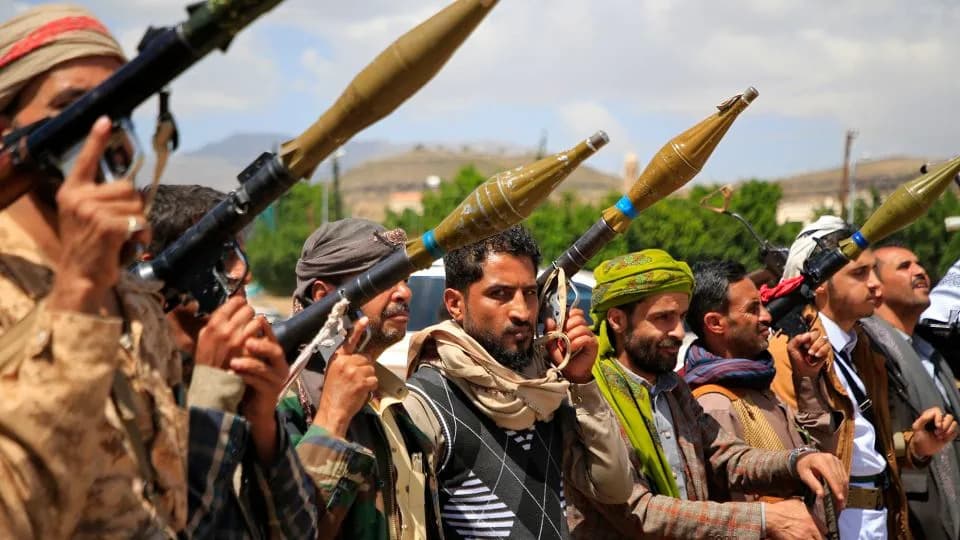
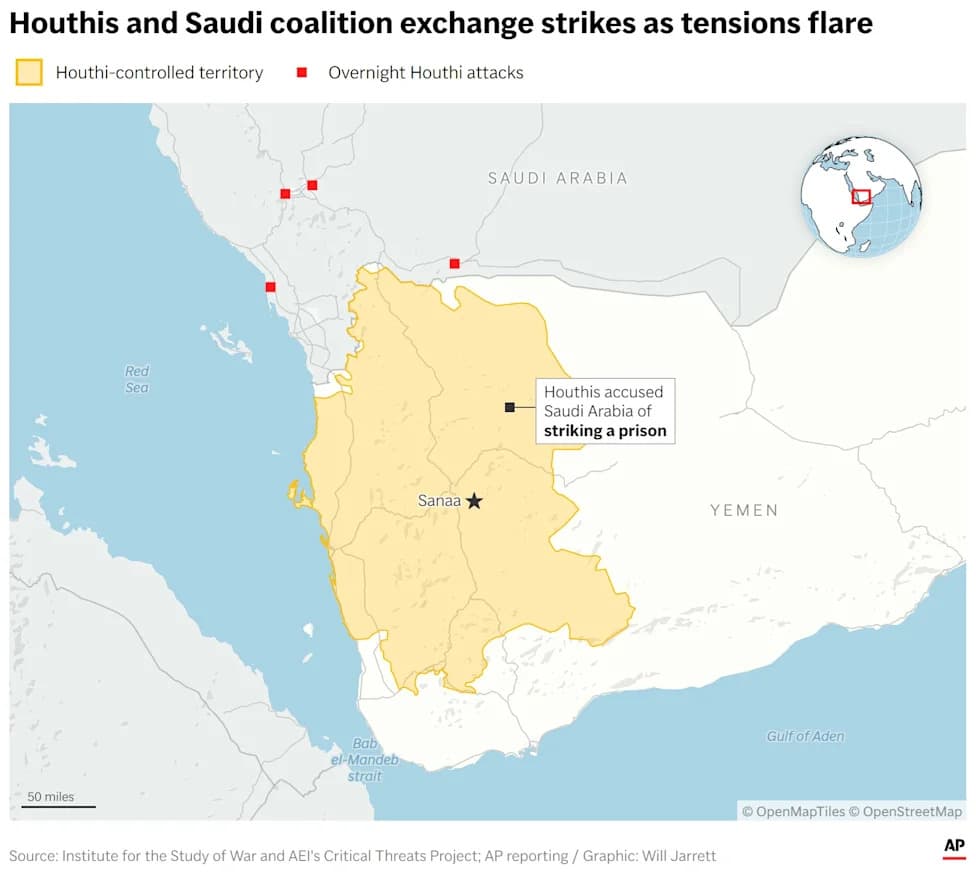
Iran-backed Houthi forces launched a large-scale assault on military camps in central and eastern Yemen, striking bases in Marib and Hadramawt. Government officials reported at least 45 soldiers killed and around 50 wounded, warning that casualties could rise. The Houthis also say they struck two Saudi oil tankers and have attacked eight vessels linked to Saudi Arabia since declaring a blockade of Saudi shipping.
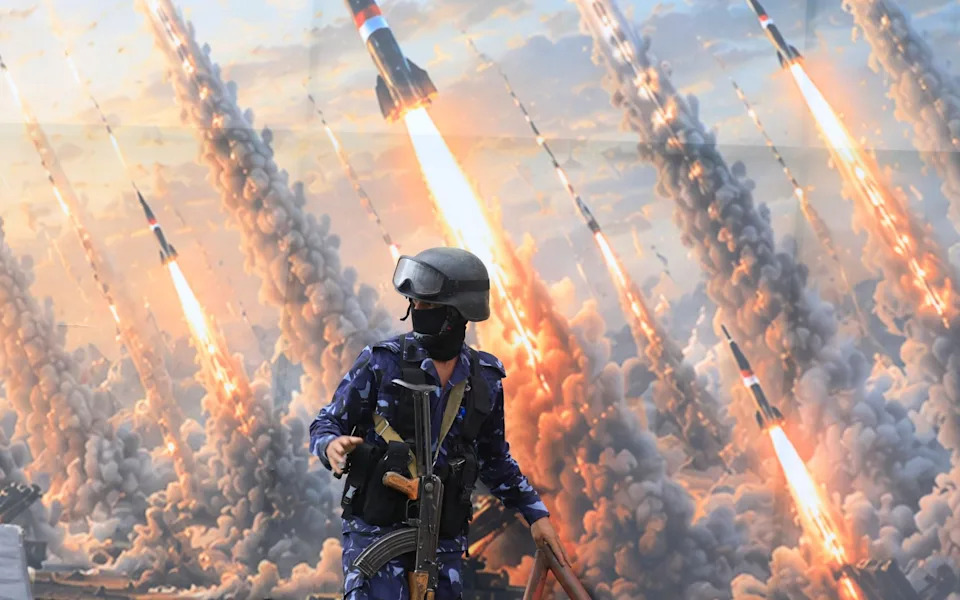
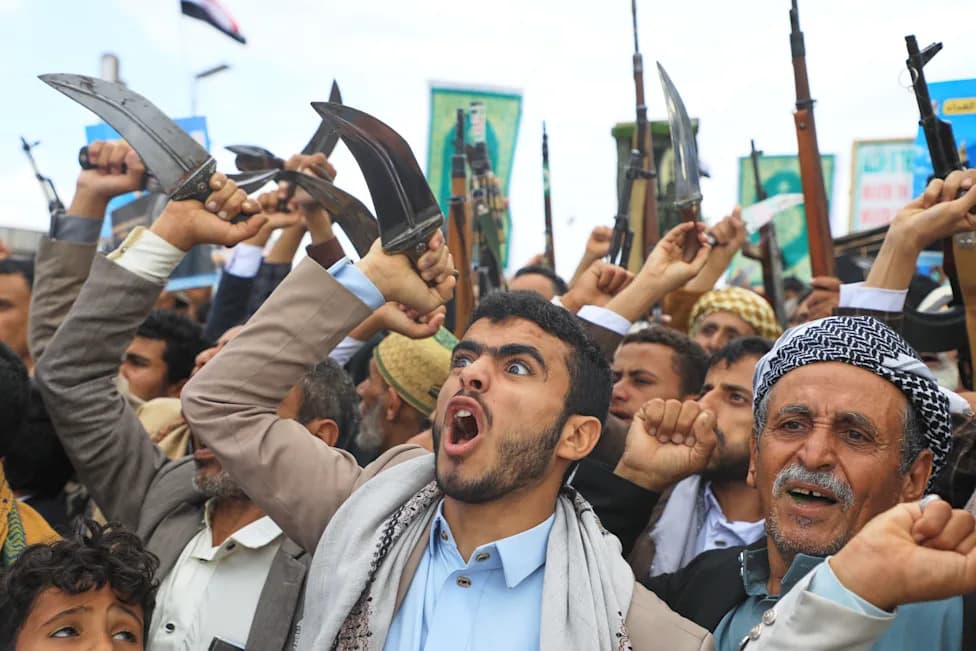
A Houthi soldier stands guard in front of a banner depicting missiles during a protest against Saudi Arabia, in Sana'a, Yemen, last month - Yahya Arhab/Shutterstock
Why These Areas Matter
Marib is a strategic stronghold for forces opposed to the Houthis and contains Yemen’s only gas field and one of its largest oilfields; its loss would deliver a major economic and military prize to the rebels. Hadramawt, Yemen’s largest province, is a central arena in the rivalry between the Riyadh-backed government and UAE-backed southern separatists.
Regional And Global Impact
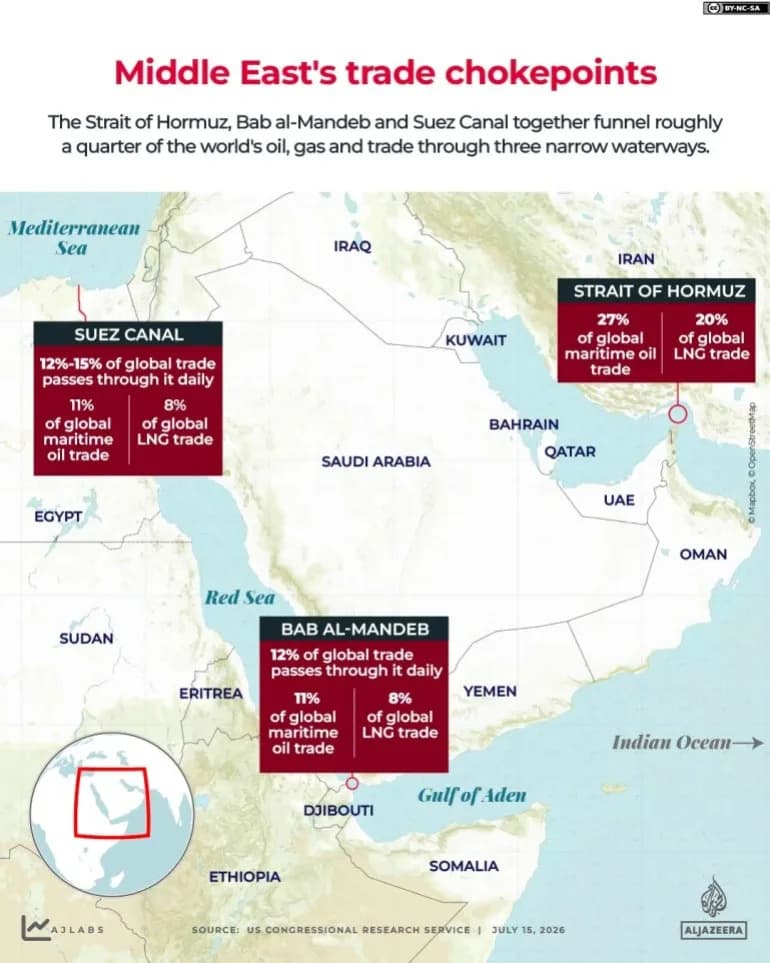
The Red Sea and Bab el-Mandeb are crucial maritime chokepoints: the Red Sea handles roughly 12% of global trade and about 30% of container traffic. Houthi attacks on commercial shipping have already prompted many major container lines to avoid the Suez route, forcing long detours around the Cape of Good Hope that add weeks to voyages and billions of dollars in extra costs.
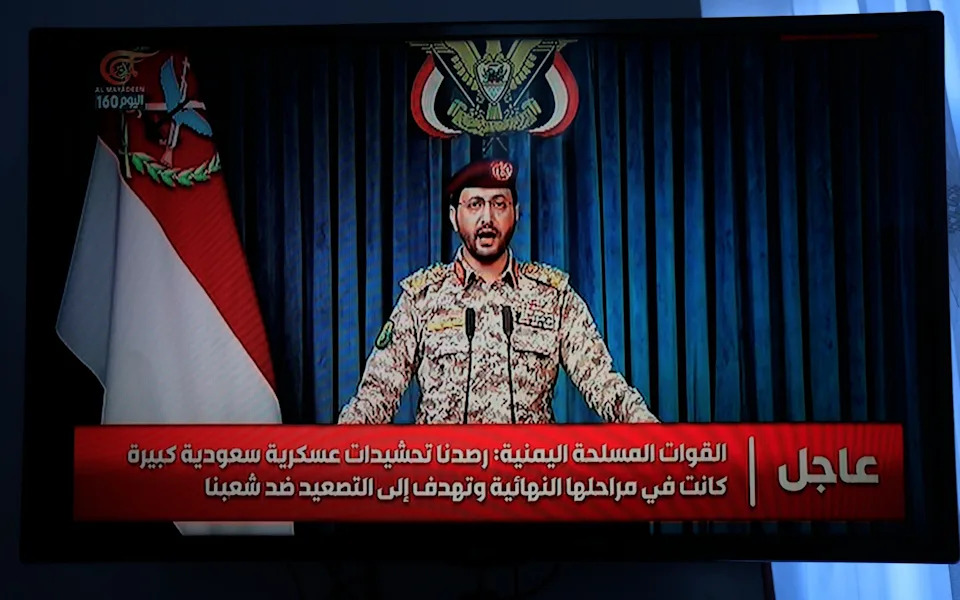
Yahya Sarea, a Houthi military spokesman, delivers a televised statement in Sana'a, Yemen, on Thursday - Yahya Arhab/Shutterstock
The Houthis' campaign risks creating a second critical chokepoint for global energy and trade, even as diplomacy seeks to ease tensions in the Strait of Hormuz.
Geopolitics And Tactics
Analysts say the Houthi resurgence is consistent with a broader Iranian approach: applying pressure through allied groups while pursuing talks elsewhere to preserve leverage. Reports also indicate potential coordination with other regional militant actors around the Bab el-Mandeb, raising the prospect of tighter control of both sides of the narrow waterway.
International Response And Human Cost
Saudi Arabia says it seeks de-escalation but blamed the Houthis for pursuing violent escalation and serving foreign agendas. The recent strikes follow months of tit-for-tat moves, including a Saudi strike on Sana'a airport aimed at stopping an Iranian plane, which the Houthis said prompted their retaliatory actions.
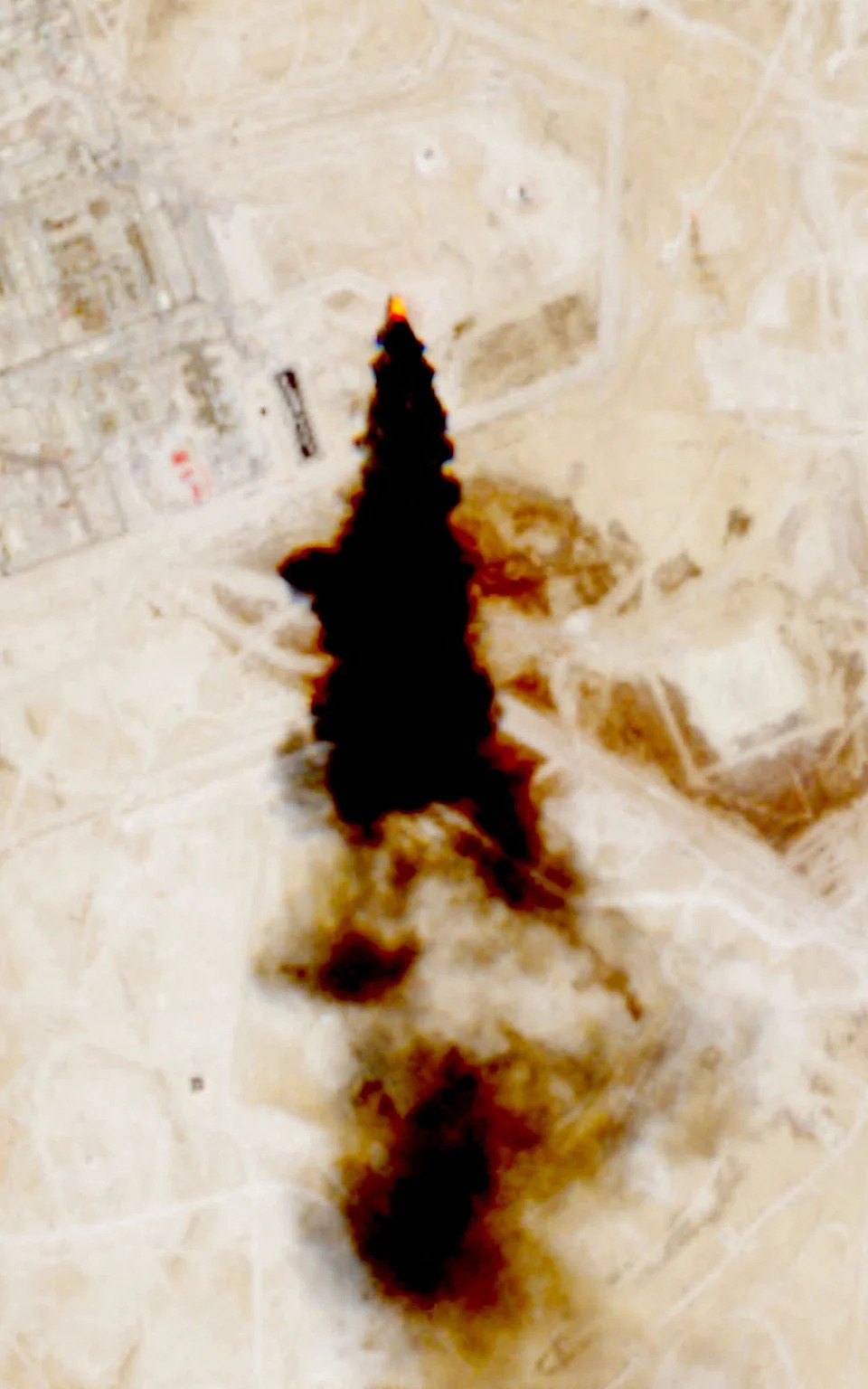
A satellite image shows smoke coming out of an oil facility in Abqaiq, eastern Saudi Arabia, last month after a spate of attacks by the Houthis - EU/Copernicus Sentinel-2/Reuters
The last decade of war has left Yemen with what the United Nations described as the world’s worst humanitarian crisis. Renewed fighting risks further civilian suffering and would threaten a second critical maritime corridor on which the global economy depends.
Outlook: Unless de-escalation measures and diplomatic efforts expand to address the southern Red Sea threat, the conflict could continue to disrupt global trade and energy shipments even as progress is sought in the Strait of Hormuz.
Help us improve.