Rashawn Williams, 33, a man with Down syndrome, wandered from his WeAchieve caregivers in October 2023 and became trapped inside a Washington Metro station for six days. He was found dehydrated, covered in feces and urine, and with insects in his hair. His family has sued WeAchieve and WMATA, alleging caregiver negligence and transit staff failures, including ignored pleas for help and a failure to check surveillance and employee-only areas. The incident helped prompt Maryland’s Purple Alert system for endangered vulnerable adults.
Found in 'Dire' Condition: Man With Down Syndrome Trapped in DC Metro for Six Days, Family Sues
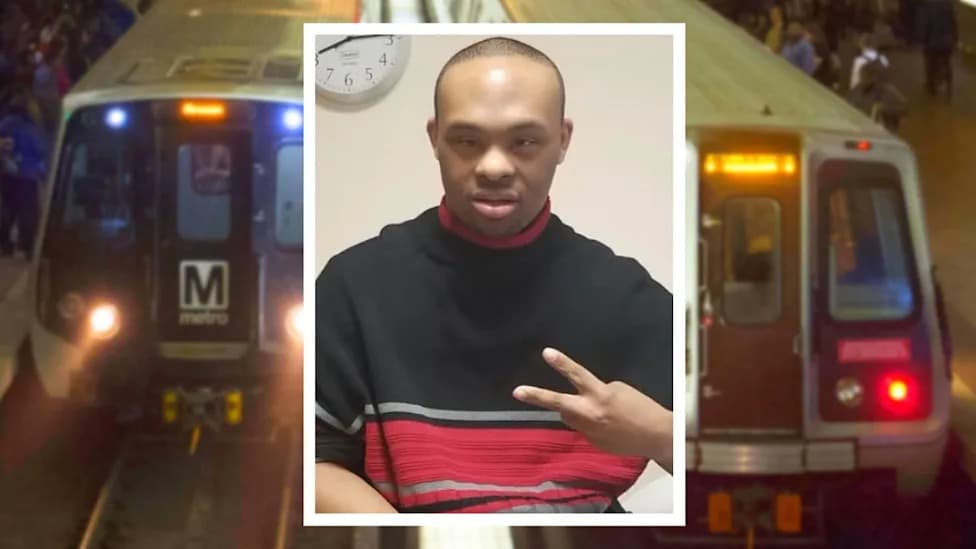
Montgomery County Police Department; KEVIN DIETSCH/UPI/Newscom/The Mega Agency
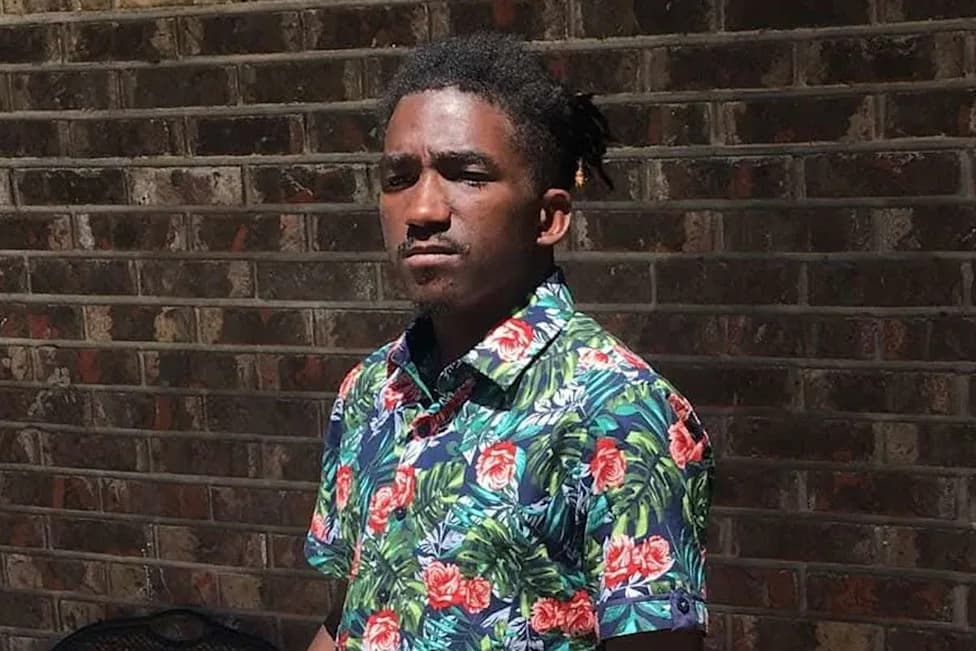
Rashawn Williams, a 33-year-old man with Down syndrome, was discovered after spending six days trapped inside a Washington, D.C., Metro station. His family has filed suit against his care provider, WeAchieve, and the Washington Metropolitan Area Transit Authority (WMATA), alleging failures by both the caregiver and transit staff that led to his prolonged confinement and severe physical and psychological harm.
What Happened
According to court papers and local reporting, Williams was staying at a hotel in October 2023 under the supervision of the WeAchieve agency when he walked away from his caretakers and boarded a bus. The staff member assigned to supervise him did not follow because they were responsible for two other clients; they say they contacted police. Williams' family says they were not notified of his disappearance until roughly an hour later.
Trapped in the Metro
Williams later entered the WMATA system and rode a train until that service ended. Staff reportedly saw him waiting for another train and told him none was coming. When he tried to exit the station, he could not get through the turnstile and sought help at a nearby information booth; the employee at the booth allegedly ignored him while taking a personal call lasting more than 30 minutes.
Frustrated, and because he requires 24-hour care due to intellectual and developmental disabilities, Williams moved deeper into the station in search of an exit. He entered an employee-only room that locks from the outside and was not found until six days later, when rescuers discovered him in a stairwell off that room. The lawsuit says he had been alone in darkness the entire time.
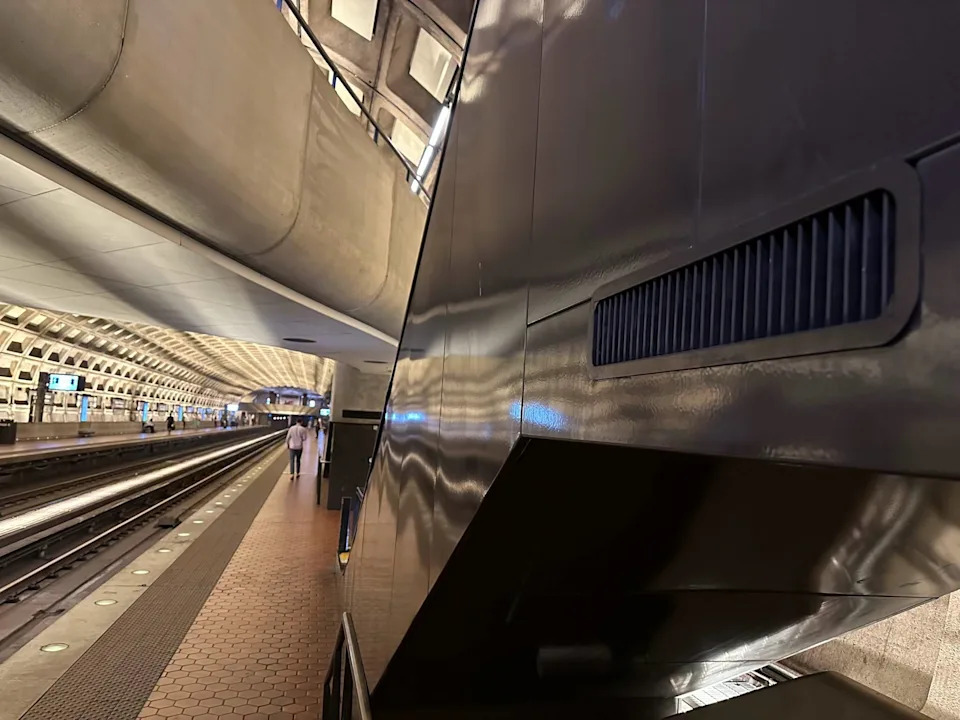
Washington Metropolitan Area Transit Authority
“The conditions that Rashawn endured were dire, as he spent the entirety of his unnecessary confinement in complete darkness, isolated and vulnerable,” the complaint reads. It adds that lack of light and basic hygiene led to an infestation of insects in his hair and made his condition worse.
Condition and Aftermath
When found, Williams was reportedly dehydrated, physically depleted, covered in feces and urine, and had insects in his hair. His family says he continues to suffer lasting psychological effects: he cannot tolerate darkness, often remains awake at night rocking back and forth, has difficulty eating, wanders from room to room, and experiences episodes of screaming without an obvious trigger.
Allegations in the Lawsuit
The lawsuit accuses WeAchieve of negligence for allowing Williams to leave supervision and alleges WMATA failed to assist him while he was in the station. It also claims WMATA employees did not review surveillance footage or inspect employee-only areas for six days, which the family says prolonged his confinement.
Systemic Response
Williams's ordeal helped spur the creation of Maryland's Purple Alert, launched in 2024 to locate missing adults ages 18 to 60 who have cognitive or developmental disabilities, brain injuries, or hearing impairments and who may be in danger, according to the Maryland State Police.
The family’s lawsuit is moving through the courts. Both WMATA and WeAchieve have been named in the complaint; statements from the defendants were not included in the court documents obtained by the reporting outlet. The case has renewed scrutiny of care-provider supervision and transit safety procedures for vulnerable riders.
Help us improve.