Three 16-year-olds from India won The Earth Prize for Plas-Stick, a biodegradable powder made from tamarind seed waste that binds microplastics into clumps retrievable with a handheld magnet. The team first won the Asia regional award and then the global prize after a public vote of roughly 23,000 ballots. Plas-Stick aims to offer an inexpensive, off-grid way to reduce microplastic contamination, but independent removal-rate data and details on particle sizes captured are not yet public.
Indian Teens Win Global Earth Prize For Tamarind-Seed Powder That Removes Microplastics
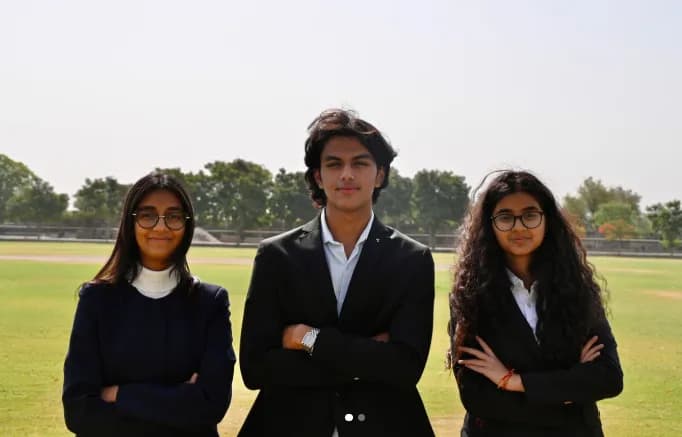
Photo Credit: Earth Prize
Three 16-year-old students from India — Vivaan Chhawchharia, Ariana Agarwal and Avyana Mehta — won the global top award from The Earth Prize for Plas-Stick, a biodegradable powder made from tamarind seed waste that gathers microplastics so they can be removed with a handheld magnet.
What Is Plas-Stick?
Plas-Stick is a low-cost material produced from tamarind seeds that might otherwise be discarded. The team processes the seeds into a magnetic-responsive, biodegradable powder that binds to tiny plastic fragments in water and aggregates them into visible clumps that a small magnet can lift out.
How It Works
The students designed the powder for simple, off-grid use: add Plas-Stick to contaminated water, allow it to bind microplastics, then collect the clumps with a handheld magnet. The approach avoids electricity and complex filtration, making it potentially useful in rural or resource-limited settings.
Awards, Support and Outreach
After winning the Asia regional prize (earning $12,500), the team took The Earth Prize global award following a public vote on May 29 that drew roughly 23,000 ballots among seven regional champions. The Earth Prize supports students aged 13 to 19 and distributes shared funding across finalists.
Limitations and Evidence Gaps
Plas-Stick targets microplastics specifically; it is not intended to remove bacteria, viruses or many chemical contaminants that can make water unsafe. Public materials released with the award do not include detailed independent test results: removal rates, the smallest particle sizes captured, and whether any powder residue remains in treated water have not been specified.
Next Steps and Local Impact
The team has run workshops and demonstrations reaching more than 8,000 students and teachers, and worked with advisor Dr. Rajesh Khandelwal to refine testing. They plan to establish decentralized production hubs and expand into rural communities across India — a strategy that could reduce transport needs, turn agricultural waste into value, and strengthen local supply chains.
"We hope the win will help us scale Plas-Stick further," the students said.
Peter McGarry, founder of The Earth Foundation, called the project "scientifically grounded, environmentally responsible and accessible."
Context
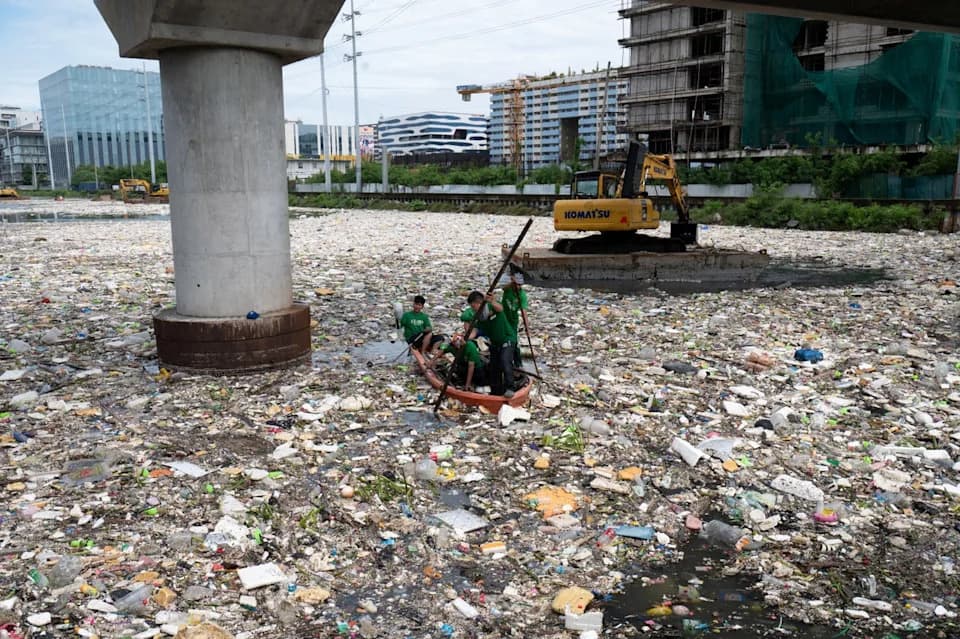
Microplastics are tiny fragments or fibers that form as larger plastics break down and can be difficult to detect and remove. The World Health Organization and UNICEF reported in 2025 that about 2.1 billion people still lacked access to safely managed drinking water; while microplastics are one of many risks to water quality, not all households without safely managed water face the same level of microplastic exposure.
Ultimately, Plas-Stick may become a useful complementary tool for reducing microplastic contamination in specific situations, but it would need independent testing and to be used alongside broader water-treatment approaches rather than as a replacement.
Help us improve.