Industry-funded plastics lesson plans and programs are appearing in K–12 classrooms, often for free. A new Plastic Pollution Coalition report finds these materials emphasize plastics' benefits and recycling while minimizing health and environmental harms. Globally only about 9% of plastics are recycled, and experts warn recycling alone won't solve the problem. Advocates call for clearer school policies, stronger public funding, and trustworthy non-industry curricula.
Plastics in the Classroom: When Industry Writes the Lesson Plans
This fall, about 54 million K–12 students across the United States return to classrooms for the usual subjects — math, English, history and biology. But another topic has quietly been appearing in lesson plans: plastics.
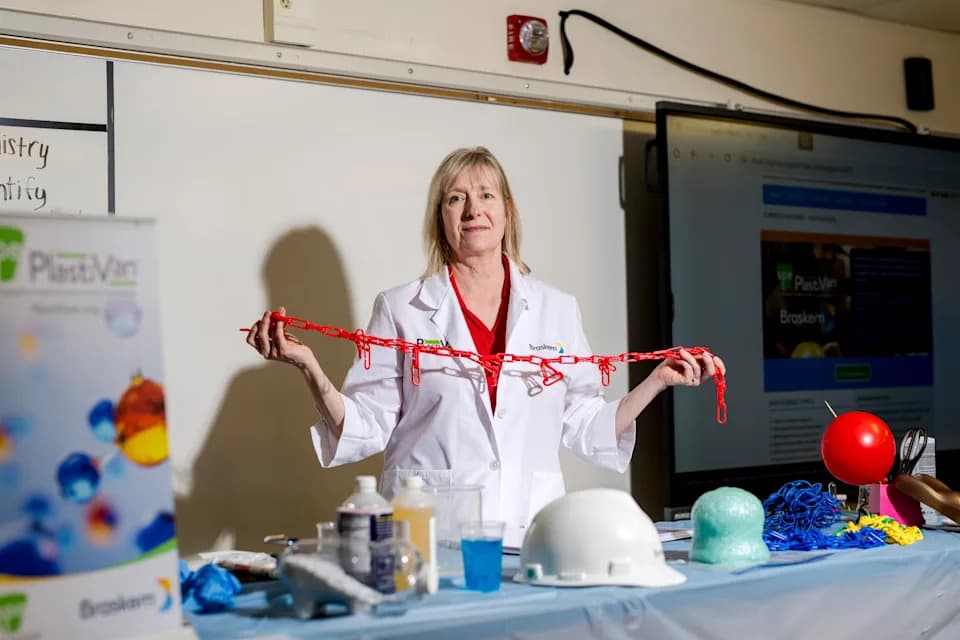
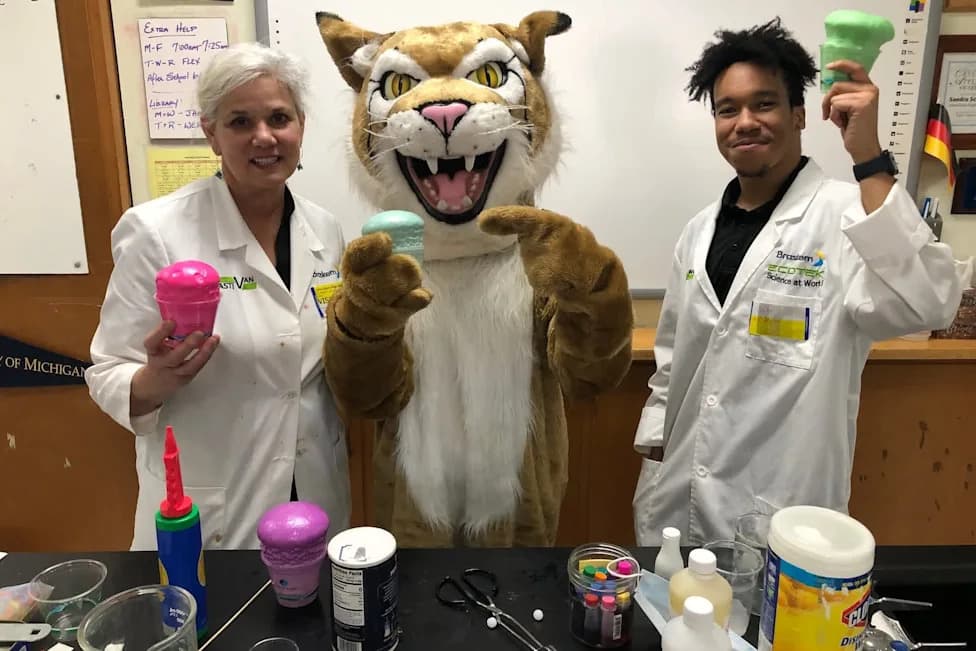
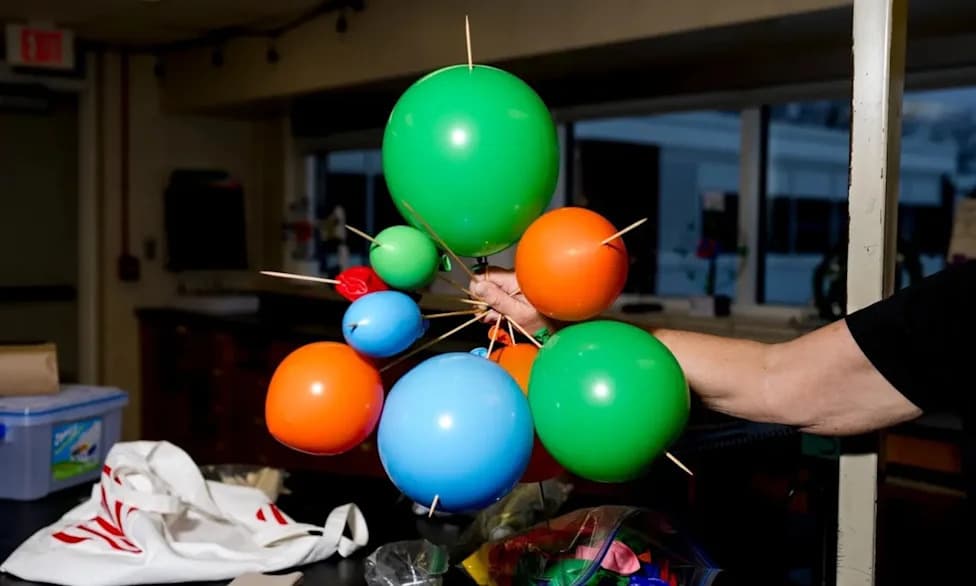
A new report from the nonprofit Plastic Pollution Coalition documents how the plastics industry has inserted its perspective into schools through free or low-cost lesson plans, worksheets, hands-on science activities and a touring program called "PlastiVan" that visits schools to teach students about "the contribution plastics make to modern life."
What The Materials Say — And What They Leave Out
Industry-funded educational resources often highlight plastics' benefits — affordability, ubiquity and job creation — while minimizing or omitting harms to human health and the environment. "When that information is provided to kids, it obfuscates the true impacts of plastic pollution," said Madison Dennis, senior policy and advocacy manager for Plastic Pollution Coalition and a lead author of the report.
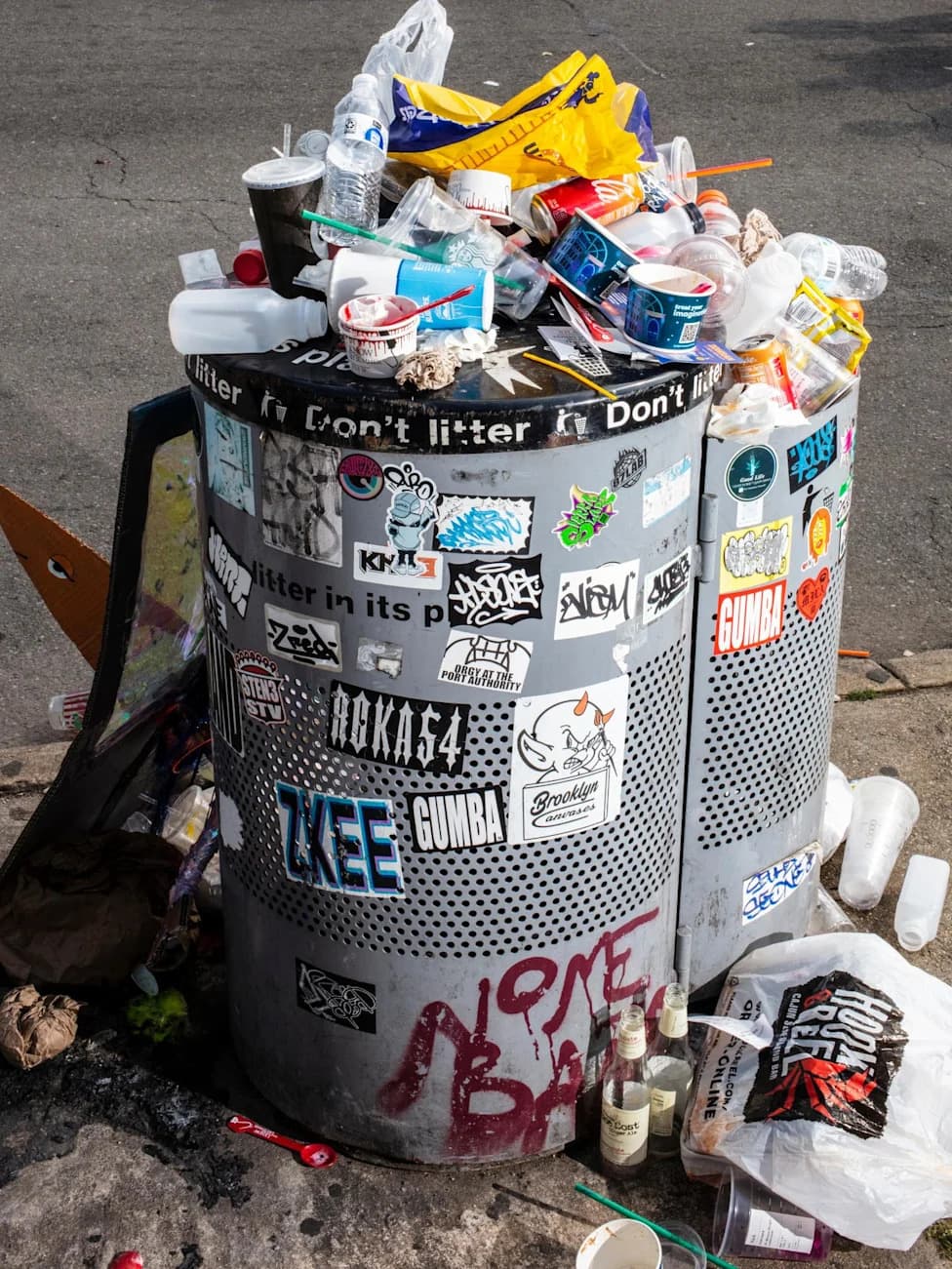
Plastics can harm marine life, expose people to hazardous chemicals, clog storm drains and contribute to flooding, and release greenhouse gases.
Many industry materials frame recycling as the primary solution. But globally, only about 9 percent of plastic is recycled — and experts warn recycling cannot keep pace with the projected rise in plastic production. Investigative reporting has shown industry groups were aware decades ago that recycling alone would not solve plastic pollution, yet promoted it to reduce public concern.
Case Studies From The Report
The report highlights four case studies described as industry messaging aimed at students. Examples include:
- Society of Plastics Engineers (SPE): Now a division of the Plastics Industry Association, SPE offers lesson plans and the PlastiVan program. Activities include a "plastic scavenger hunt" that teaches how ubiquitous plastics are and a video titled "Your Bottle Means Jobs" linking recycling to local employment. SPE says PlastiVan has reached more than 132,000 students since 2011.
- American Association of Chemistry Teachers: An initiative tied to Dow, its lesson plans ask students to compare grocery-store plastic bags and then "pretend [they] are an employee for Dow Chemical Company" designing a bag for a customer.
- Local Petrochemical Influence: In Beaver County, Pennsylvania, where Shell operates a large plastics complex, the company has funded plastics-related curricula, recycling programs and donated school facilities and supplies — actions the report suggests are linked to incorporating plastics recycling into school programming.
Concerns From Educators And Experts
Wendy Johnson, a science education specialist at the National Center for Science Education, criticized the materials' pedagogy. Many claim alignment with state STEM standards but fail to specify which standards or how they are met. Lessons sometimes introduce technical industry vocabulary (for example, "stretch blow molding") or direct students to consult teachers' notes — approaches that can create the appearance of scientific rigor while conveying industry viewpoints about the economy and consumer goods.
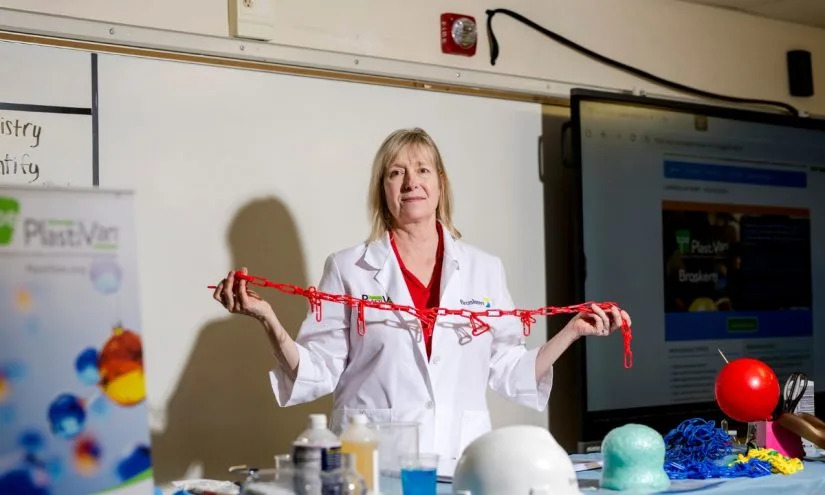
Eve Vitale, chief executive of SPE Foundation, inside a classroom at Warren Mott High School in Michigan in 2024. The SPE's PlastiVan program tours schools around the country to teach kids the science behind plastics and generate interest in a future career in the industry.(Nic Antaya / The Washington Post via Getty Images)
Teachers often lack time and funding to develop their own curricula or buy quality lab materials. That scarcity makes free, industry-provided resources attractive despite potential conflicts of interest. "As a teacher, I'm always looking for free stuff," said Suzie Hicks, a K–8 environmental educator who helped consult on the report. Hicks noted that while she can spot greenwashing, most teachers may not have the background to do so reliably.
Responses, Alternatives, And Recommendations
The Plastic Pollution Coalition recommends that school boards adopt policies limiting or banning educational materials sponsored by chemical, fossil fuel and plastics companies — and that public funding for schools be strengthened so teachers are not dependent on industry resources. Dennis also suggested eliminating tax breaks for petrochemical and plastics production facilities to recapture funds for communities and schools.
Not everyone supports an outright ban. Katie Allen, executive director of Algalita (a nonprofit that produces non-industry lesson plans), warned that bans can be slippery and argued educators should be trusted to contextualize material and use it to teach critical thinking.
There are reliable non-industry alternatives: Algalita offers free lessons on ocean garbage patches and biomagnification; The Story of Stuff provides a high-school curriculum on the lifecycle and costs of consumer goods. Some teachers build their own curricula: Jacqueline Omania, an elementary teacher in Berkeley, converted her classroom into a zero-waste lab and led students to develop year-by-year zero-waste agreements and community advocacy campaigns.
Why It Matters
Curriculum shapes how young people understand scientific problems and civic choices. When materials funded by companies with commercial interests enter classrooms without clear disclosure or pedagogical transparency, students may receive a distorted picture of both the risks posed by plastic pollution and the range of policy solutions available.
Grist originally published this reporting.
Help us improve.