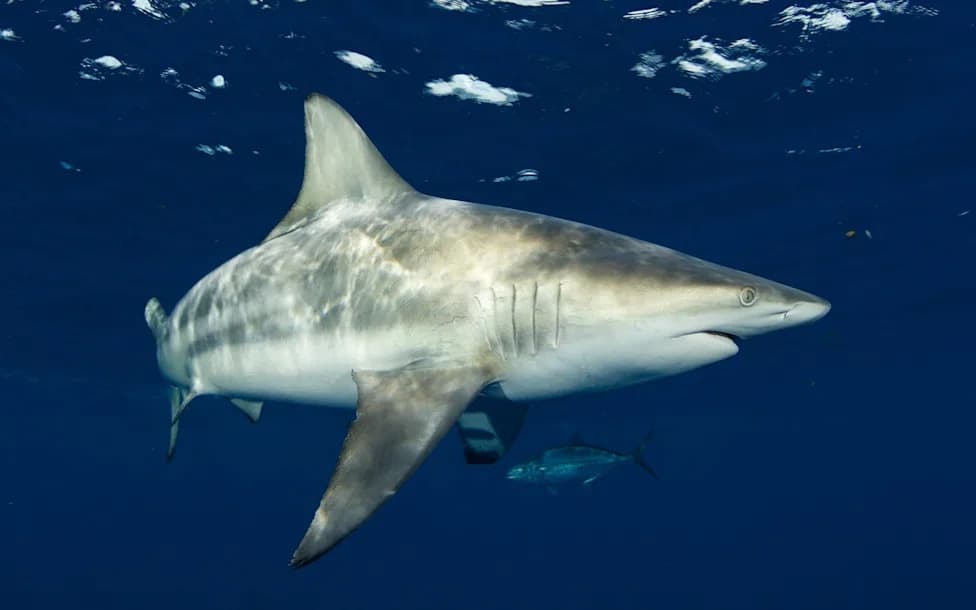
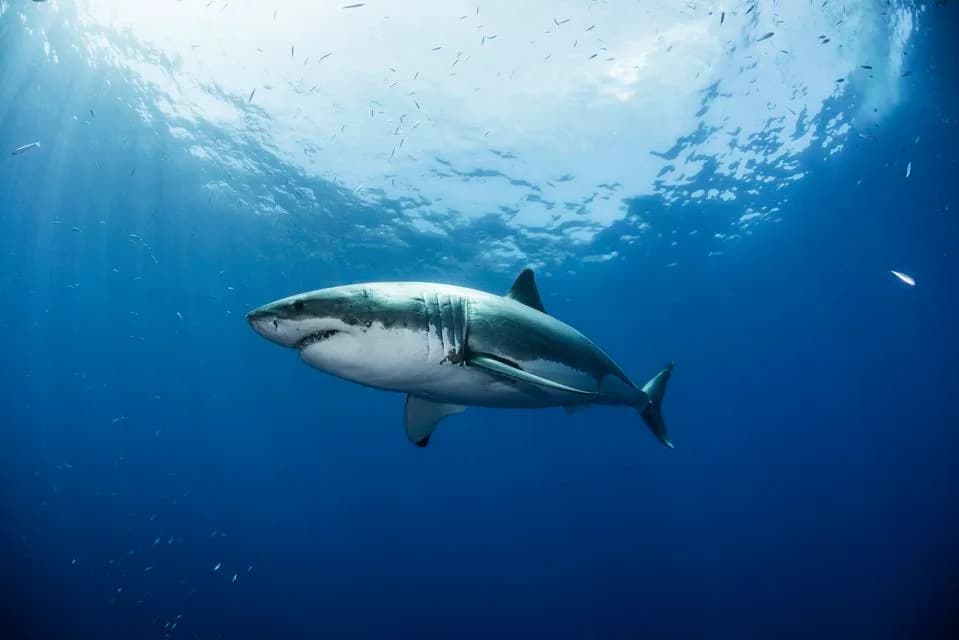
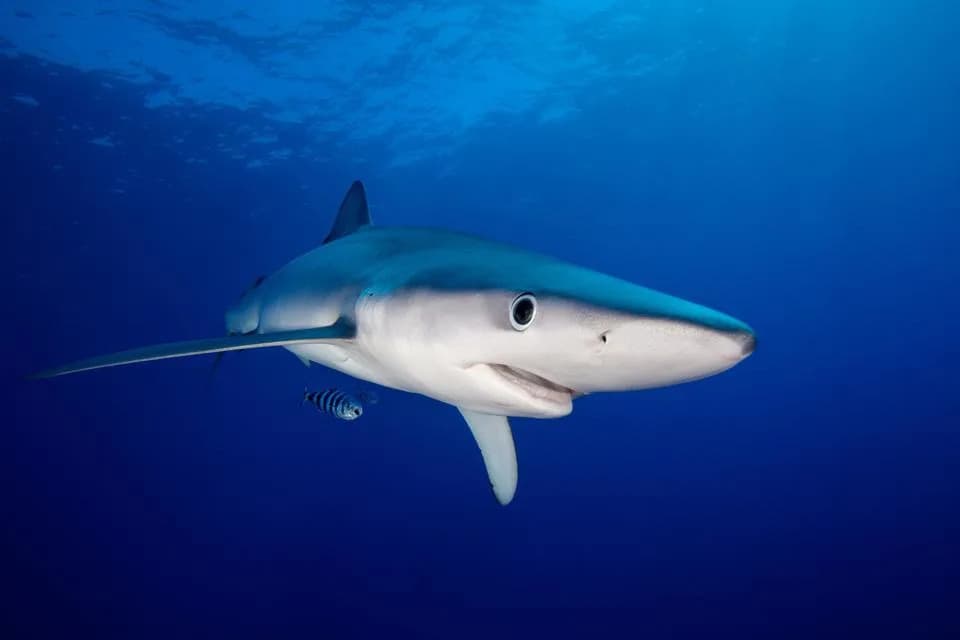
University of Delaware researchers are testing whether sharks fitted with small CTD tags can serve as mobile ocean sensors, recording conductivity (a salinity proxy), temperature and depth and transmitting data when they surface. The team targets species that frequently surface—such as shortfin mako, blue sharks, smooth hammerheads and juvenile great whites—and conducts tagging from early May about 30–40 miles (50–65 km) offshore. Tagging is quick (typically under five minutes) and follows animal-care protocols. If validated, shark-collected data could improve forecasts of hurricane intensity for East Coast communities.
Sharks as Storm Sensors: Tagged Sharks Could Improve Hurricane Intensity Forecasts
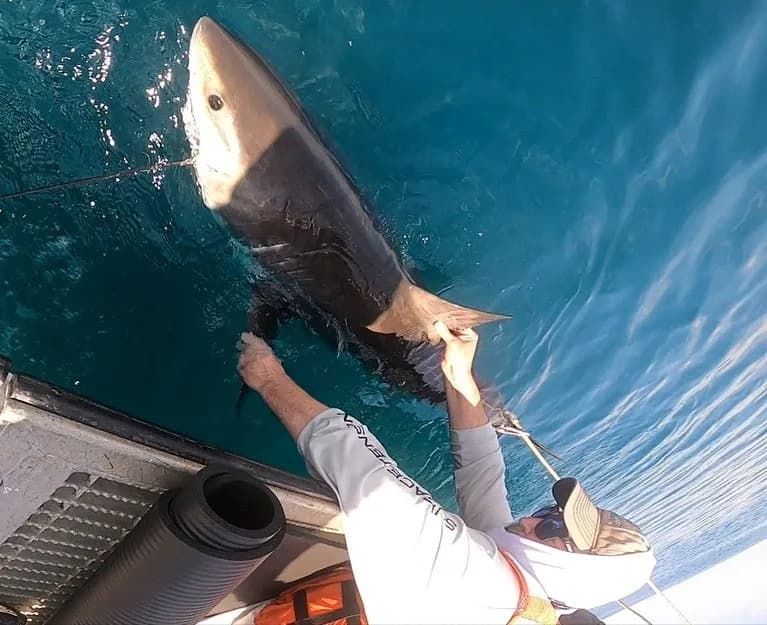
Researcher Aaron Carlisle grasps a white shark alongside a boat off the coast of Delaware, U.S., in this photograph taken on May 5, 2025, and released on August 4, 2026. Andrea Leontiou/Handout via REUTERS
Researchers at the University of Delaware are equipping sharks with small electronic CTD tags to collect near-real-time ocean data that can improve forecasts of hurricane intensity along the U.S. East Coast. The tags record electrical conductivity (a proxy for salinity), temperature and depth as sharks swim and surface, then transmit observations to satellites when the animal reaches the surface.
How the Program Works
The research team targets species and individuals that frequently surface so tags can send data to orbiting satellites. Earlier analyses identified promising North Atlantic candidates, including shortfin mako, blue sharks, smooth hammerheads and juvenile great white sharks. Fieldwork begins in early May, when highly migratory sharks move closer to shore, and teams operate roughly 30–40 miles (50–65 km) offshore.
Devices and Data
CTD tags measure conductivity (closely related to salinity), temperature and depth. The researchers focus on the ocean's mixed layer — the warm upper layer that fuels hurricanes. "We are really most interested in the heat content of the top layer of the ocean, which is known as the mixed layer," said Aaron Carlisle, principal investigator and professor in the School of Marine Science and Policy. "This is the part of the water column that really drives hurricane intensity — warmer mixed layer equals stronger hurricane — as it holds the heat that feeds hurricanes."
Tagging Process And Animal Care
Teams set baited lines from a research vessel and typically wait two to three hours for a shark to take the bait. Tags are attached to the dorsal fin and transmit each time the shark surfaces. Carlisle described the operation as run "like a pit crew" — the tagging usually takes under five minutes. The work follows institutional animal care protocols: tags are fastened with materials designed to corrode and drop off, and each shark receives a health check to avoid biasing behavior with stressed or injured animals.
Caroline Wiernicki, a doctoral candidate, offered a lighthearted contrast to dramatic media portrayals: "It's more like Bob from Accounting, clocking in with the day's temperature profiles before he heads back out."
Why This Matters
If successful, shark-borne observations can fill gaps in ocean sampling where ships and buoys are sparse, improving model input for oceanographic, atmospheric and climate forecasts. More accurate information about mixed-layer heat content could help forecasters better predict hurricane intensification, giving coastal communities from North Carolina to Massachusetts more reliable data to prepare for approaching storms.
"Most people will never encounter a shark in the wild," Carlisle added, "but in reality they are amazing animals perfectly adapted to the ocean, and we can learn a huge amount from them. If we can show that sharks can help people, it's a win-win situation."
Reporting by Marta Serafinko in Gdansk; Editing by Will Dunham.
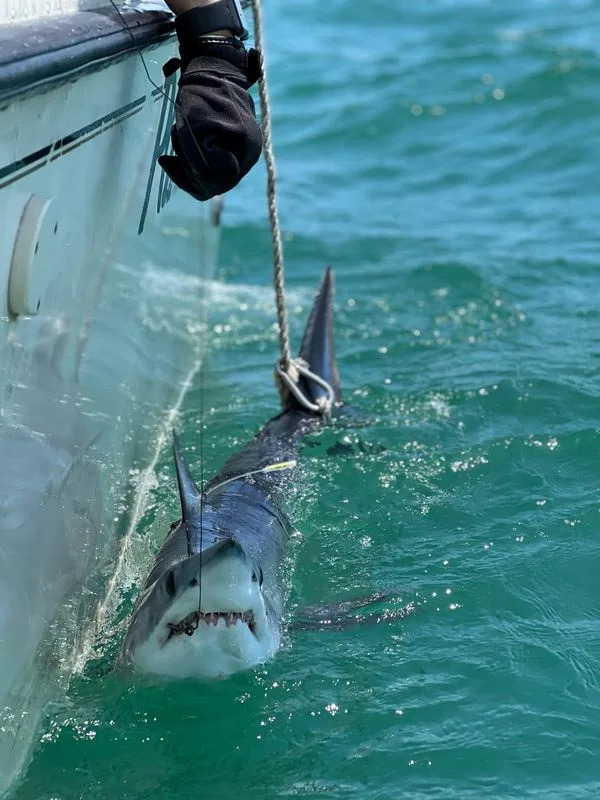
A mako shark temporarily caught by researchers alongside a boat off the coast of Long Island, New York, U.S., in this photograph taken on June 19, 2024, and released on August 4, 2026. Picture taken with a mobile phone. Yuleny Gomez-Rodriguez/Handout via REUTERS
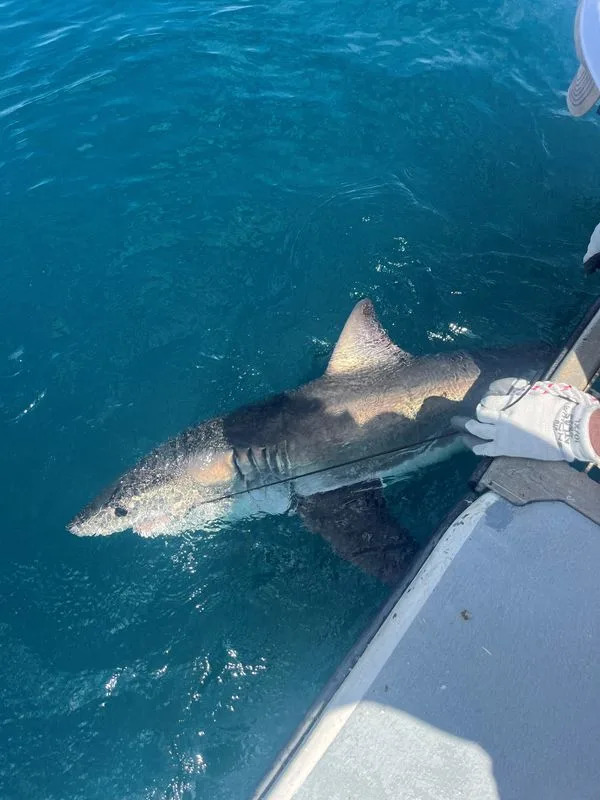
Researcher Aaron Carlisle works to place a tag on a white shark alongside a boat off the coast of Delaware, U.S., in this photograph taken on May 5, 2025, and released on August 4, 2026. Andrea Leontiou/Handout via REUTERS
FILE PHOTO: A Chinese fishing boat sails across the Taiwan Strait near Niushan Island, off Pingtan Island, Fujian province, China, April 9, 2023. REUTERS/Thomas Peter/File Photo
A water bomber aircraft passes above as wildfires rage across the Gironde region amid worsening drought conditions following a heatwave and water shortages across much of France, near Sainte-Helene, France, July 27, 2026. REUTERS/Manon Cruz
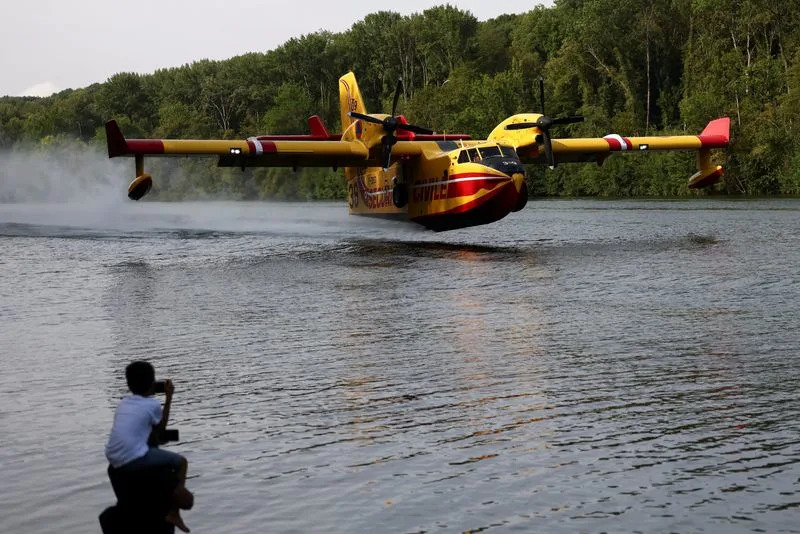
A firefighting Canadair aircraft skims the surface of the Seine River while collecting water in Ivry-sur-Seine, to assist efforts against a wildfire in the Fontainebleau forest during a heatwave affecting large parts of the country, near Paris, France, July 14, 2026. REUTERS/Stephane Mahe
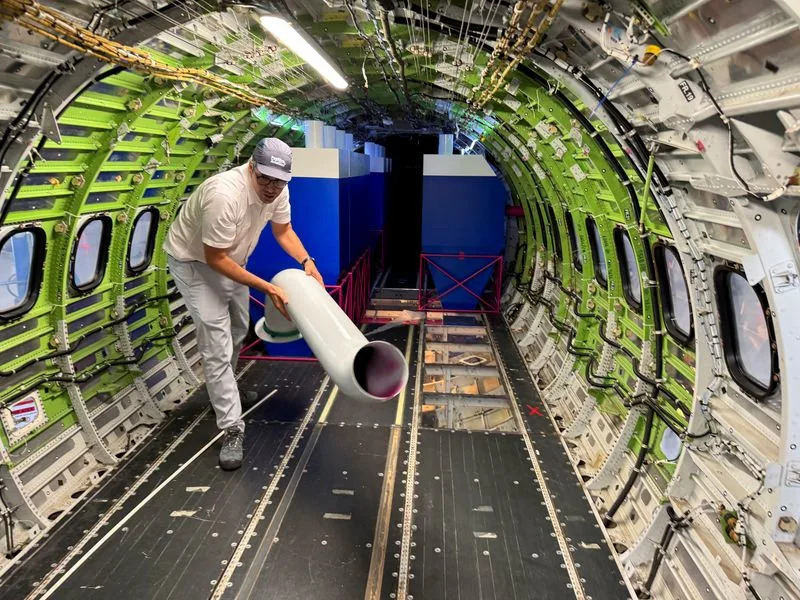
Jonathan Beck, head of overall aircraft design at Positive Aviation, handles a component of a water-scooping system on a converted ATR-72 firefighting demonstrator, in Toulouse, France, July 31, 2026. REUTERS/Tim Hepher
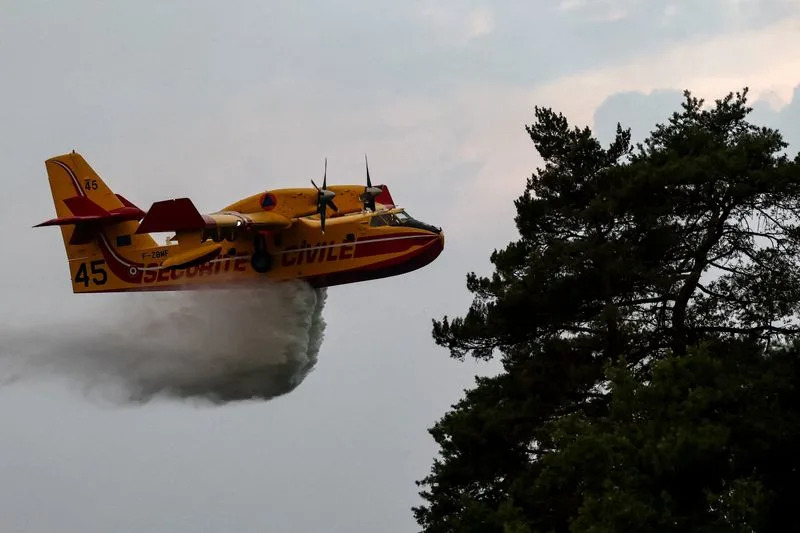
A Canadair firefighting aircraft works to contain wildfires at the Fontainebleau forest, in Acheres-la-Foret, as a heatwave affects large parts of France, July 13, 2026. REUTERS/Stephane Mahe
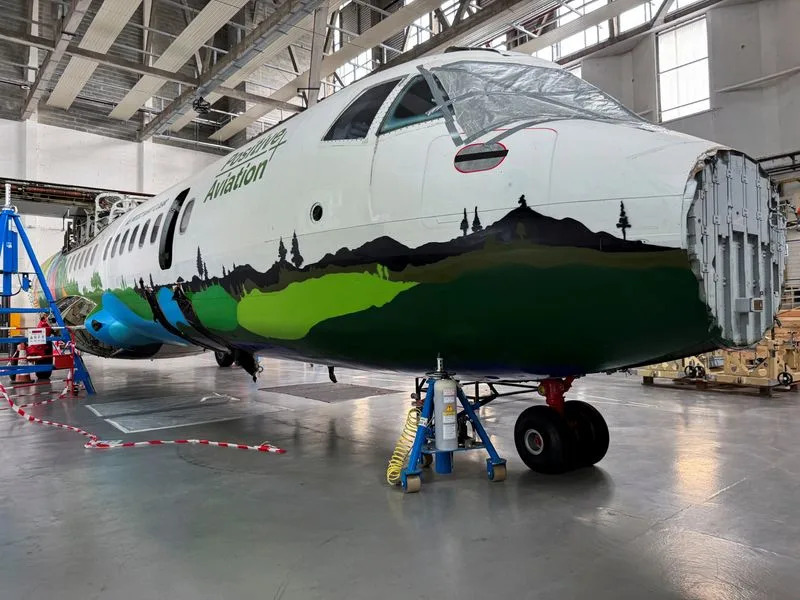
The fuselage of an ATR-72 turboprop aerial firefighting demonstrator stands in Hangar 16, a former Concorde plant now being used by Positive Aviation, in Toulouse, France, July 31, 2026. REUTERS/Tim Hepher

An inmate looks out the window from his prison cell as he tries to stay cool during the heatwave in Orleans, France, July 13, 2026. REUTERS/Abdul Saboor
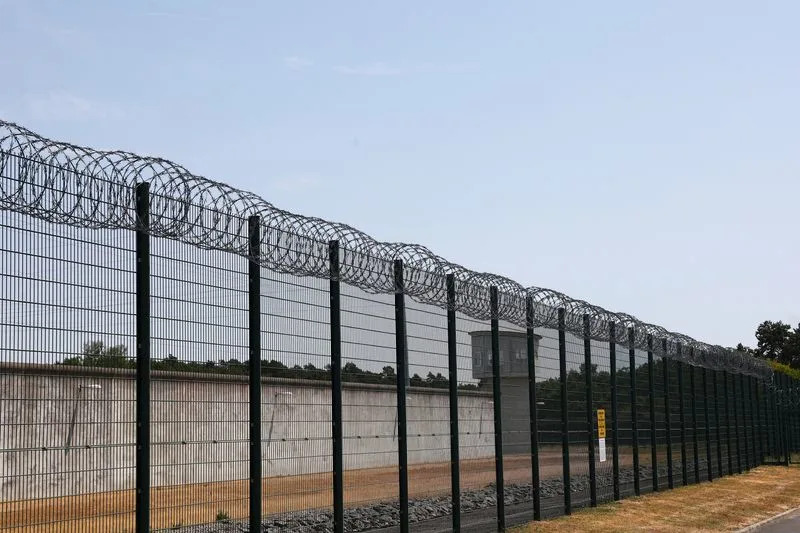
A security fence stands at a prison facility during a heatwave in Orleans, France, July 13, 2026. REUTERS/Abdul Saboor

A guard walks down the corridor of the prison during the heatwave in Orleans, France, July 13, 2026. REUTERS/Abdul Saboor
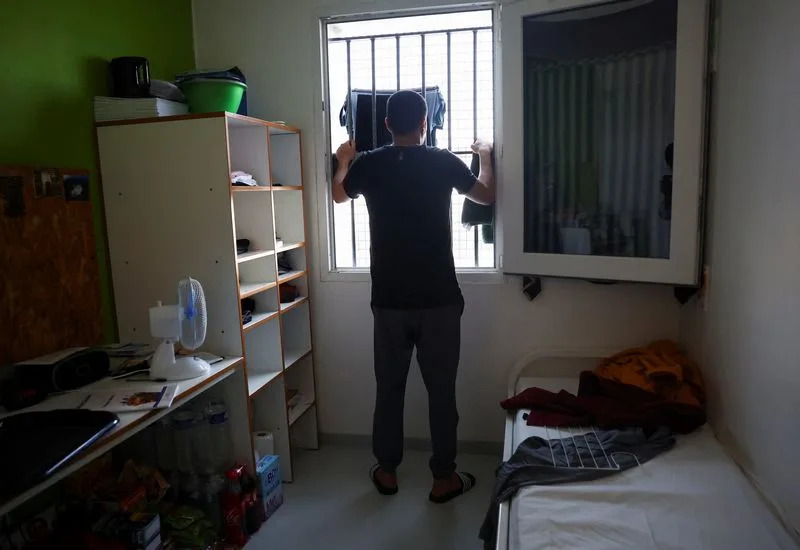
An inmate looks out the window from his prison cell as he tries to stay cool during the heatwave in Orleans, France, July 13, 2026. REUTERS/Abdul Saboor
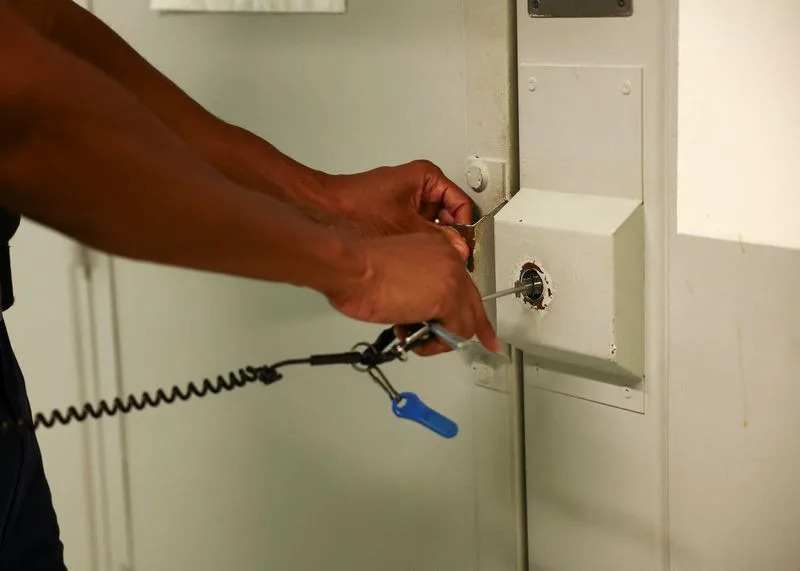
A guard opens the door to a cell in a prison during the heatwave in Orleans, France, July 13, 2026. REUTERS/Abdul Saboor
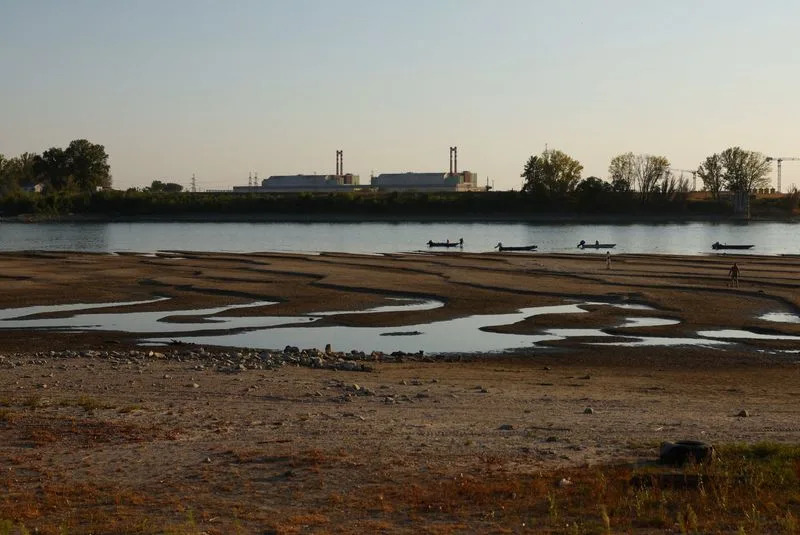
Paks Nuclear Power Plant with the partially dried-up Danube riverbed in Dunaszentbenedek, Hungary, July 31, 2026. REUTERS/Bernadett Szabo
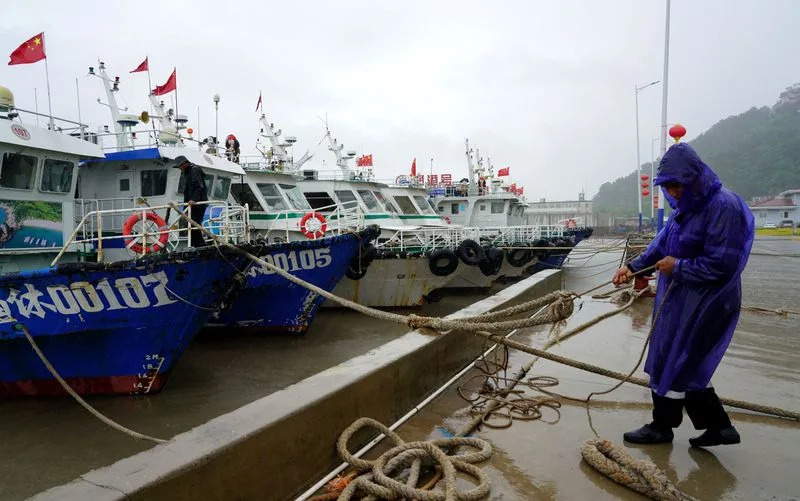
A crew member secures a boat at Nanyue Pier as Typhoon Dolphin approaches, in Yueqing Bay, Wenzhou, Zhejiang province, China August 5, 2026. cnsphoto via REUTERS
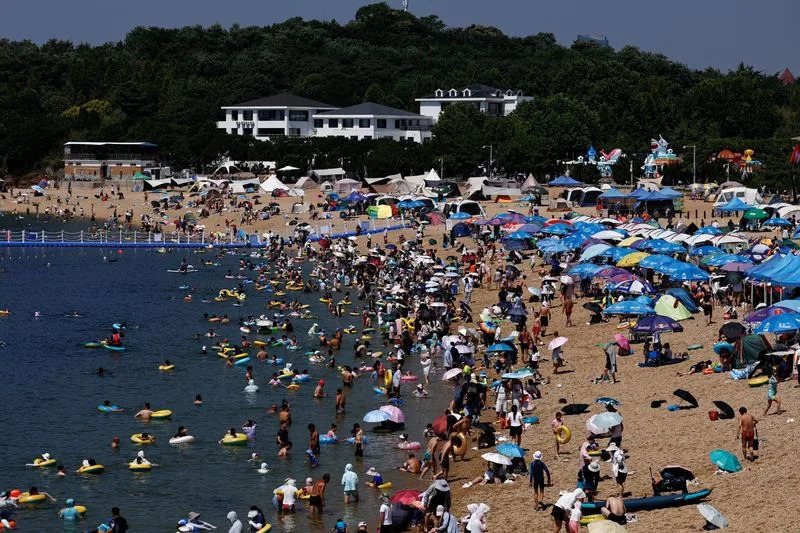
People enjoy shallow waters at a beach park amind an orange heatwave alert in Dalian, Liaoning province, China, August 7, 2026. REUTERS/Tingshu Wang
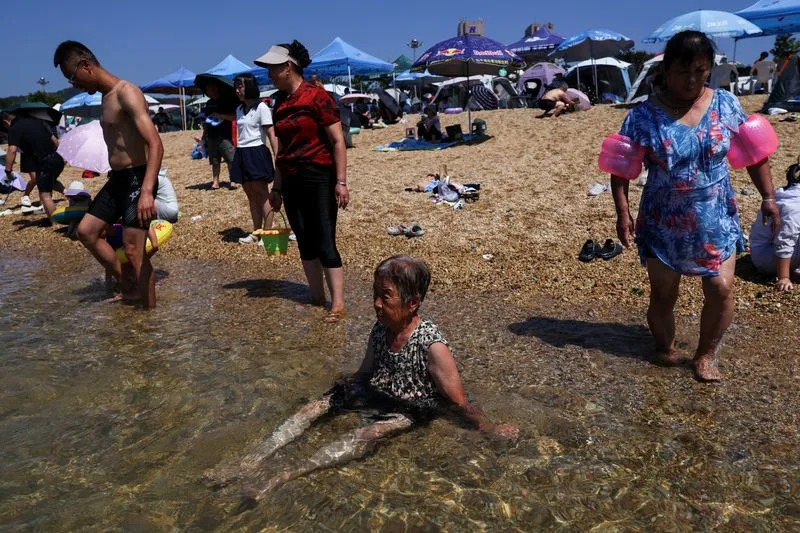
An elderly person sits in seawater to cool off amid an orange heatwave alert in Dalian, Liaoning province, China, August 7, 2026. REUTERS/Tingshu Wang
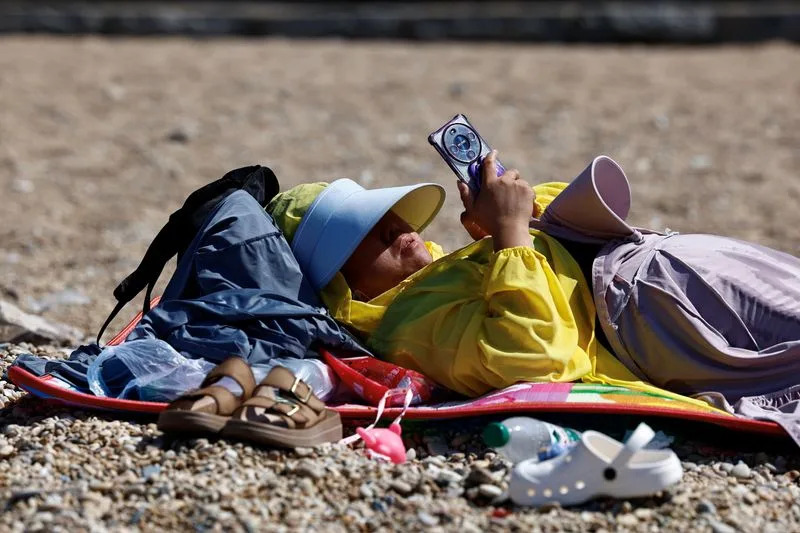
A person lies on a beach amid an orange heatwave alert in Dalian, Liaoning province, China, August 7, 2026. REUTERS/Tingshu Wang
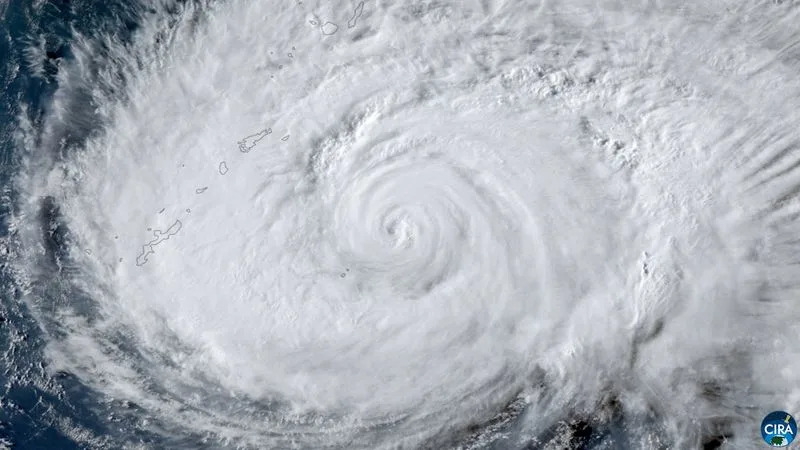
A satellite image shows Typhoon Dolphin approaching Japan's Okinawa, August 6, 2026. CSU/CIRA & JMA/JAXA/Handout via REUTERS
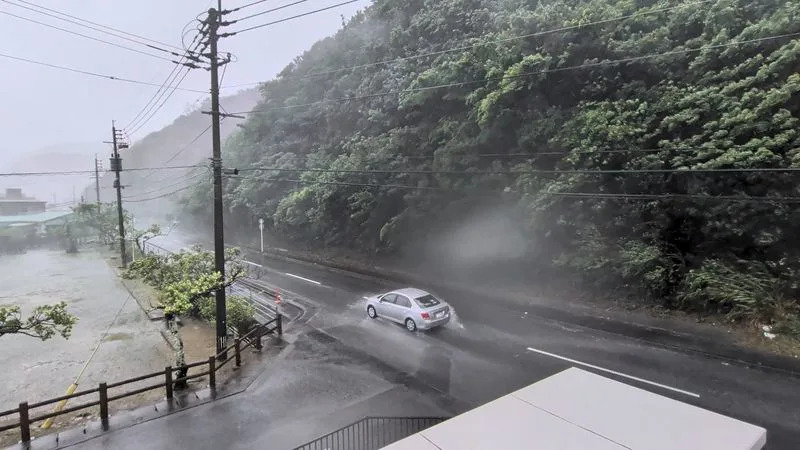
A car makes its way through strong winds and rain as Typhoon Dolphin approaches, in Nazeasahicho, Amami, Kagoshima, Japan, August 7, 2026, in this screengrab obtained from a social media video. @darider5/X/via REUTERS
Help us improve.