The Democratic Republic of the Congo is preparing its first national census since 1984. Authorities will begin with a digital mapping phase using tablets and smartphones to geolocate inhabited places before household enumeration. The exercise aims to update population figures (the World Bank estimates about 112 million people) and help issue identity documents to many who lack them. Major obstacles include insecurity, mass displacement in the east, difficult terrain across the roughly 2.3 million km² country, and political sensitivities ahead of the 2028 elections.
‘I’ve Never Been Counted’: DR Congo Readies First National Census In 42 Years
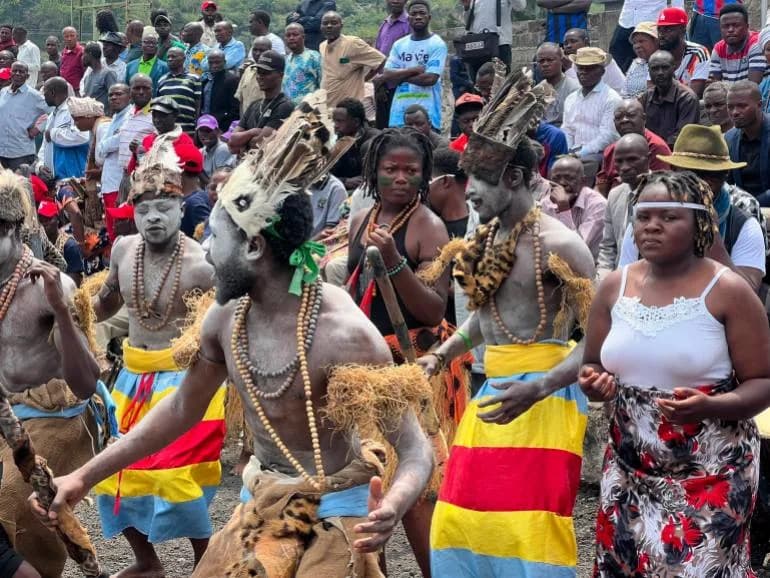
According to the United Nations Population Fund, more than 65 percent of the country's population is under the age of 25 [Prosper Heri/Al Jazeera]
For 28-year-old Heritier Ramazani of Bunia, being counted in the Democratic Republic of the Congo’s first nationwide census since 1984 could mean more than a new statistic: it may be the first formal confirmation of his existence by the state.
Ramazani says he has never appeared in a national census and lacks any official document proving his Congolese citizenship. "I've never been registered in a census since I was born," he told Al Jazeera. "Being registered and having my identity card will make me very happy."
Why the Census Matters
The government says the upcoming census will produce the reliable demographic data needed for planning public services, infrastructure and development projects. For many Congolese, however, the exercise carries an immediate promise: finally being recorded in official registers and obtaining identity documents long out of reach.
The World Bank estimates the DRC’s population at about 112 million, growing roughly 3.2% annually. According to the United Nations Population Fund (UNFPA), more than 65% of the population is under 25, underscoring the need for up-to-date data on education, health and employment.
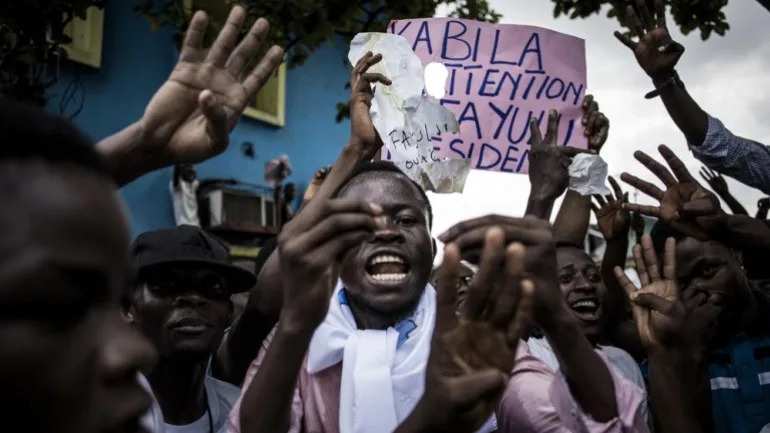
The country is preparing for its first national census since 1984, a long-delayed count that could reshape identity records and public planning [File: John Wessels/AFP]
How The Count Will Be Conducted
Authorities will start with a digital mapping phase in which teams of cartographers identify and geolocate inhabited places ahead of household interviews. The National Institute of Statistics and the Central Census Office say the operation will rely on digital tools: enumerators will use tablets and smartphones rather than paper forms.
"The census is digital. We will be using tablets and smartphones to collect the data," said Henri Marie Kazadi, technical coordinator of the Central Census Office.
The Ministry of Planning began recruiting field workers in June for the mapping phase, which is intended to prepare for the subsequent household enumeration.
Major Challenges
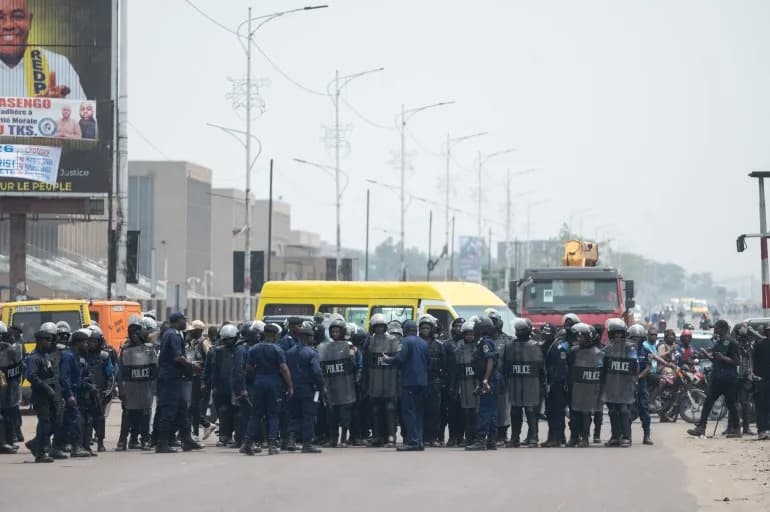
The scale of the task is enormous. The DRC covers about 2.3 million square kilometres (roughly 888,000 square miles), with many communities only accessible via poor roads or footpaths. Persistent insecurity and the presence of armed groups—especially in eastern provinces such as Ituri—have displaced large numbers of people and disrupted state services, making a comprehensive count difficult.
"State authority is not effectively established across the whole national territory, and there are massive population displacements," warned Muyisa Hangi Christophe, an activist with the pro-democracy movement Filimbi. He said displacement and insecurity could prevent many people from being counted in their home communities.
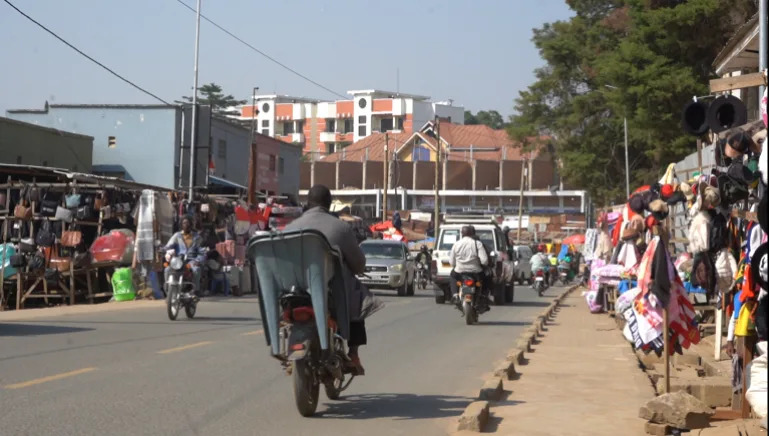
Traffic moves through Bunia's busy market district, in the capital of Ituri Province in north-eastern Democratic Republic of the Congo [Prosper Heri/Al Jazeera]
Political Sensitivities
The census comes at a politically sensitive moment. Efforts to create a national identification system began under former President Joseph Kabila but were disrupted during the political crisis after his mandate ended. With general elections expected in 2028, opposition figures and civil society groups warn that population figures could be politically contested, particularly around representation and resource allocation.
Prince Bitaki, an opposition politician, urged authorities to ensure the process is not used for political ends: "A census is all well and good, but why carry it out when the country is heading towards a crucial moment when we should instead be preparing for the upcoming elections?"
The government rejects claims of political motives and says the census is a routine, technical exercise aimed at improving national planning.
What Residents Hope To Gain
For residents such as Ramazani and Gedeon Katembo, a 36-year-old father of three, the census represents recognition and access to documents many have lacked for decades. Because national identity cards have been scarce, voter registration cards have often served as de facto ID.
"It is essential to know how many Congolese people there are in the country and around the world," Katembo told Al Jazeera. "The census can also help to strengthen national unity."
Development analysts stress that accurate census data will help policymakers decide where to place schools, hospitals, roads and utilities so that public resources match real needs. As Maneno Kakule Ndavugha, a development analyst, put it: "It makes no sense for the state to build a football stadium in an area where there are only older people."
Whether the census will deliver a fully inclusive count remains uncertain. Success will depend on the ability of enumerators to reach remote and insecure areas, the effectiveness of digital mapping, and safeguards to prevent political manipulation. For millions of Congolese who have never been formally recognised by the state, however, the exercise offers a rare chance to appear in official records—and to secure identity documents that unlock rights and services.
Help us improve.