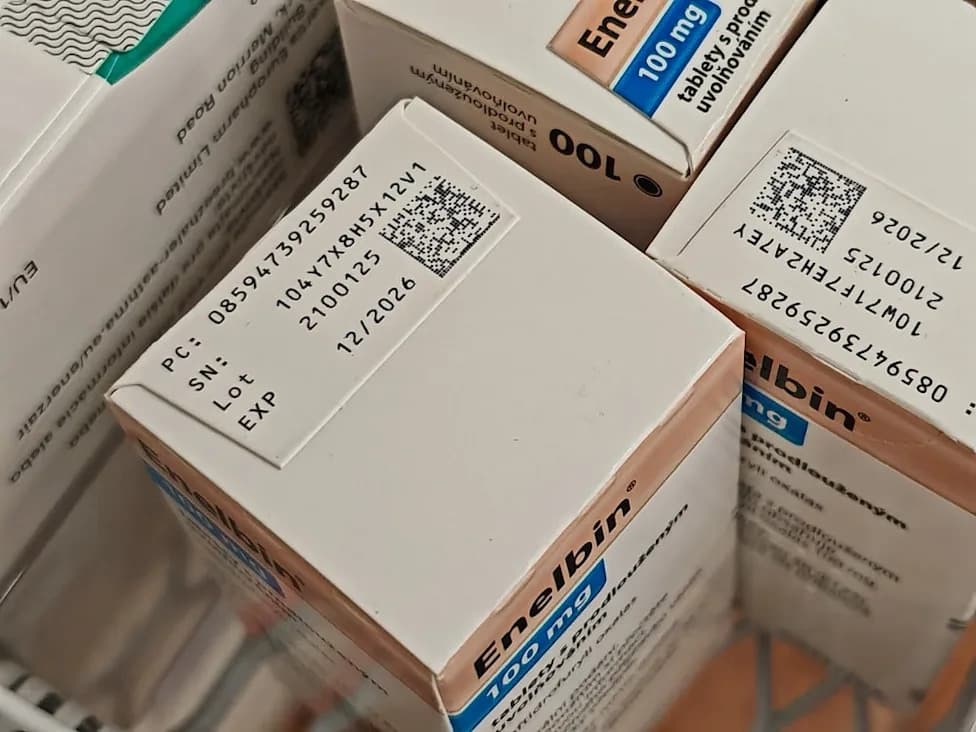
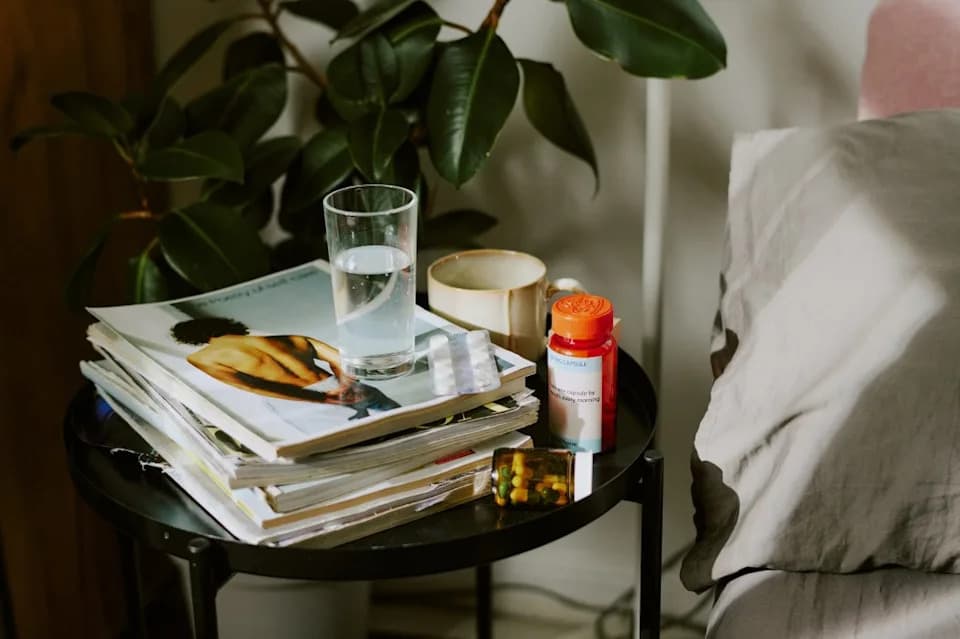
The National Pharmacy Association says about 3,400 tonnes of partly used medicines were discarded in England in 2024–25 — enough to fill roughly 75 swimming pools. The NPA estimates this waste costs the NHS at least £480 million a year and urges more frequent medication reviews for people on multiple repeat prescriptions. Experts warn that leftover antibiotics can fuel antimicrobial resistance, and NHS England highlights digital tools and local campaigns to reduce medicines waste and improve prescribing.
Wasted Medicines in England Could Fill 75 Swimming Pools — Costing the NHS an Estimated £480m a Year
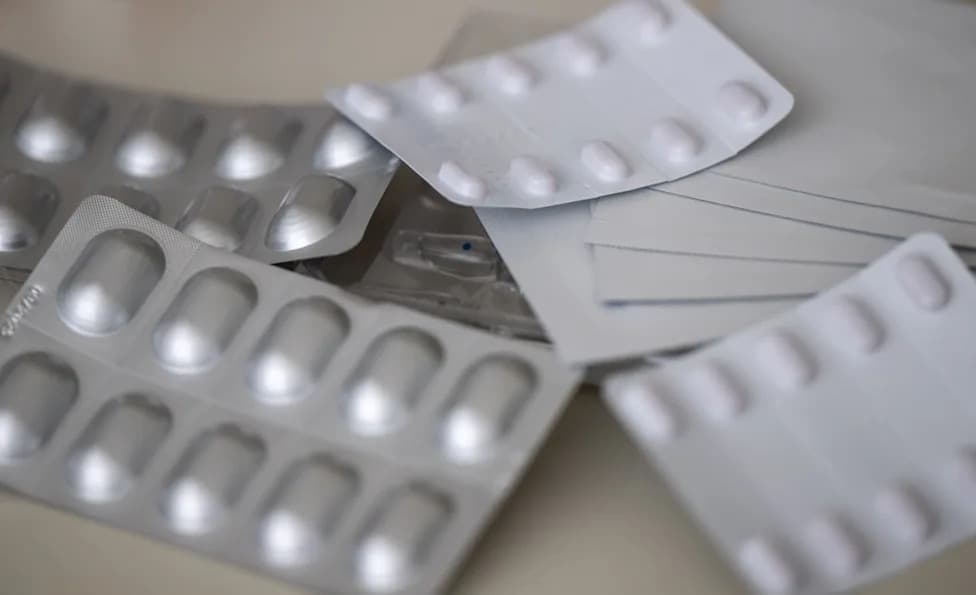
FILE PHOTO - Medications from various manufacturers are displayed on a table in a pharmacy. (is associated with: «Wasted medicines in England 'could fill 75 swimming pools' a year») Monika Skolimowska/dpa
Pharmacies have warned that medicines discarded in England over the course of a year would be enough to fill roughly 75 swimming pools, highlighting a growing financial, environmental and public‑health problem.
The National Pharmacy Association (NPA) analysed data from local health bodies and estimates that about 3,400 tonnes of partly used or unused medicines were disposed of in England during 2024–25. The association calculates this waste costs the NHS at least £480 million ($647 million) annually.
“Wasted medicines cost the NHS significant sums of money every year that could be invested in better services for patients,”
“More than this, wasting medicines can have environmental and health consequences and we can do much more to tackle this growing problem,”
Olivier Picard, chairman of the NPA, notes that once a medicine leaves a pharmacy it must be disposed of even if it is unopened, so patients should only collect medicines they are confident they will use. The NPA, which represents around 6,000 independent community pharmacies across the UK, is urging more frequent medication reviews for people with multiple repeat prescriptions, to identify treatments no longer needed.
The association also warned against over-ordering repeat prescriptions and recommended patients request medicines only when they are actually required. Picard added that pharmacists can help patients get the most from their medicines and should be consulted with any concerns.
“We are urging patients only to request medicines if they really need them when ordering repeat prescriptions,”
Dr Rasha Abdelsalam Elshenawy, senior lecturer in postgraduate medicine at the University of Hertfordshire, emphasised the wider risks: leftover antibiotics stored at home are sometimes taken later without medical advice, which can accelerate antimicrobial resistance — one of the biggest threats to modern medicine. She said regular medication reviews and ordering only what is needed protect patients, the NHS and the environment.
An NHS England spokesperson pointed to digital tools that help patients manage prescriptions, such as the NHS app, including features for repeat prescriptions. They added that several local NHS services are running campaigns to reduce medicines waste and that wider efforts to optimise medicines use have contributed to a fall in prescribing of dependency‑forming medications over the last decade.
What patients can do
- Only request repeat prescriptions when you need them.
- Ask your pharmacist for a medication review if you take several medicines.
- Return unwanted medicines to a pharmacy for safe disposal; do not keep or reuse leftovers, particularly antibiotics.
Help us improve.