The Baltic Sea is facing rising pharmaceutical pollution on top of longstanding industrial and wartime contamination. Researchers from Sweden, Finland, Lithuania and Latvia advocate a lifecycle approach—smarter prescribing, better patient disposal of unused medicines, and upgrades to wastewater treatment—to cut the flow of drugs such as diclofenac and persistent compounds like carbamazepine into the sea. These measures aim to protect wildlife (including mussels and fish) and limit ecological harm and antimicrobial resistance.
Diclofenac in the Baltic: How Researchers Are Cutting Pharmaceutical Pollution

The sea full of diclofenac — how researchers are trying to cut pharmaceutical pollution in the Baltic Sea
The Baltic Sea, a semi-enclosed inland sea bordered by nine countries in northeastern Europe, is among the world's most polluted marine basins. Its long list of pressures includes wartime dumping of chemical munitions after the Second World War, persistent industrial contaminants, microplastics and nutrient-rich agricultural runoff. Now scientists from Sweden, Finland, Lithuania and Latvia are targeting another growing threat: pharmaceutical pollution.
Why Pharmaceuticals Matter
Pharmaceuticals reach the Baltic through multiple routes: household and hospital wastewater, effluent from drug manufacturing sites, agricultural runoff, and even pet faeces that are not properly collected and disposed of. A decade-old UNESCO and Baltic Marine Environment Protection Commission report estimated that wastewater treatment plants alone release roughly 1,800 tonnes of pharmaceutical residues into the Baltic each year. Most treatment facilities in the region still lack an advanced “fourth stage” specifically designed to remove drug residues.
Persistence and Ecological Impact
Many medicines are persistent in the environment. For example, carbamazepine—used to treat epilepsy, neuropathic pain and bipolar disorder—has been widely detected across the Baltic and is slow to break down: its half-life in the environment can be about three and a half years, allowing accumulation over time.
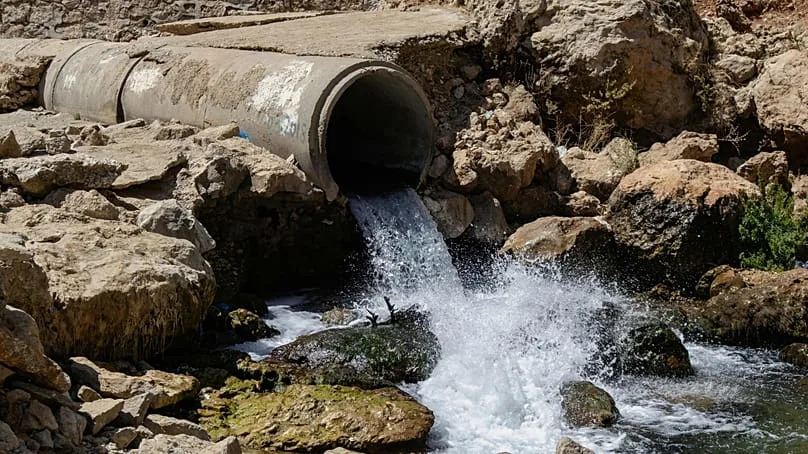
Most wastewater treatment plants are yet to be equipped with a fourth treatment stage specifically designed to remove pharmaceutical pollutants. - Canva
The primary concern is ecological rather than direct harm to swimmers. Pharmaceuticals can affect behaviour, reproduction and physiology in non-target species. Synthetic oestrogens have been linked to feminisation in fish and amphibians. Filter-feeders such as the Baltic blue mussel (Mytilus edulis) may experience reduced metabolic energy for growth and basic functions when exposed to certain painkillers, weakening their role as natural water filters. There is also the broader and serious threat of increasing antimicrobial resistance.
From Prescription To Sea: A Lifecycle Approach
Researchers argue that solutions cannot be limited to upgrades at sewage works. Instead, pollution needs to be tackled across the lifecycle of medicines: at prescription, during use, and at disposal. Marmar Nekoro, a researcher at the Faculty of Pharmacy at Uppsala University, explains:
"It is not only about wastewater treatment. We have to look across the rest of the life cycle."
That lifecycle perspective includes smarter prescribing: when several clinically appropriate options exist, environmental footprint can be considered alongside safety and efficacy. The anti-inflammatory diclofenac is one drug under close watch because it is commonly used and frequently detected in aquatic environments. As Kristina Garuolienė of Vilnius University notes, there are circumstances where alternative treatments may be preferable.
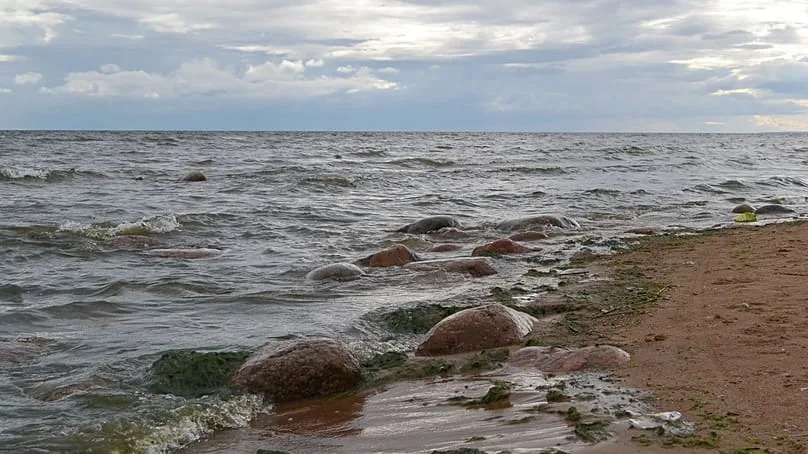
Today, microplastics, industrial chemicals and agricultural runoff are adding to the pressure on the Baltic ecosystem. - Canva
Behaviour, Policy and Technical Fixes
Reducing pharmaceutical pollution requires a combination of measures:
- Smarter prescribing and clinician education so environmental profiles of medicines are understood and used where clinically appropriate.
- Patient behaviour: encouraging adherence to prescriptions, and the safe return of unused medicines to pharmacies rather than disposal via household waste or toilets. Lithuania reports rising public compliance with medicine-return rules.
- Technical upgrades to wastewater treatment plants—introducing advanced treatment stages that specifically remove pharmaceutical residues.
- Better data and guidance so prescribers have accessible, reliable environmental information on drugs and can balance that with clinical needs.
Björn Wettermark, professor of pharmacoepidemiology at Uppsala University and leader of the project, highlights the opportunity: "We know from several studies that not always the best drugs are being prescribed—neither in terms of clinical effect, and sometimes there is unnecessary overuse. There are lots of win-wins through improving prescribing and the use of medicines."
Looking Ahead
The researchers aim to move beyond individual prescribing decisions toward coordinated regional strategies that combine clinical guidance, public-awareness campaigns on returns and improved wastewater treatment. Such a multi-pronged approach is seen as the best way to reduce pharmaceutical loads and protect the Baltic's vulnerable ecosystems.
Help us improve.