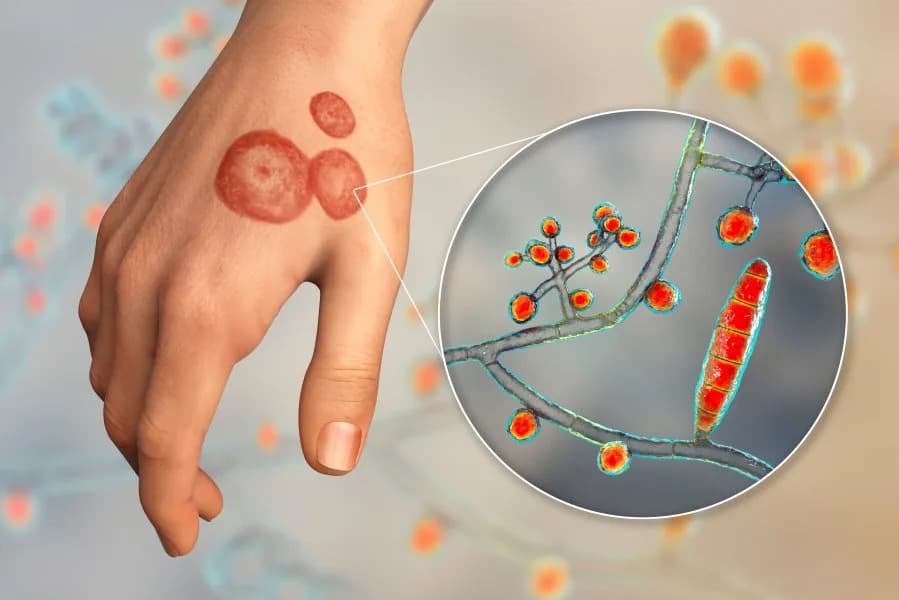
The CDC reports a renewed rise in Candida auris, a drug‑resistant yeast that can colonize skin and hair follicles and cause dangerous bloodstream infections in medically fragile patients. As of July 25, 3,437 confirmed U.S. cases were reported across 27 states; 4,290 cases were recorded for all of 2025. The fungus is hard to diagnose and often resists multiple antifungal drug classes, making outbreaks in hospitals and long‑term care facilities particularly concerning.
Candida auris Is Rising Again in the U.S.: What You Need to Know

FILE: A petri dish holding the yeast candida auris in a laboratory (Photo by Nicolas Armer/picture alliance via Getty Images)
The U.S. Centers for Disease Control and Prevention (CDC) warns that Candida auris, a drug‑resistant yeast that can live on skin and persist inside hair follicles, is increasing in prevalence again and poses a serious threat in healthcare settings.
Why This Matters
Candida auris is typically harmless for healthy people who are not hospitalized, but it can cause severe, sometimes fatal, invasive infections among medically fragile patients. Some strains are highly resistant to multiple classes of antifungal drugs, making infections difficult to treat and control.
Current Numbers
According to CDC totals, 3,437 confirmed cases of Candida auris had been reported across 27 states as of July 25. For context, 4,290 cases were reported for the entire year of 2025. States with the highest reported counts include California, Texas, Tennessee, Georgia, Virginia, Oklahoma, Michigan, Illinois and Arizona.
How It Behaves and Who’s at Risk
The organism colonizes the skin and can persist in hair follicles without causing symptoms. Dr. Keith Kantor, clinical director at ReGen Therapeutics in Atlanta, said,
"If you're not already sick or immune‑compromised, you may show no signs of infection. For vulnerable patients, however, the fungus can invade the bloodstream and lead to sepsis, shock or organ failure."
In small U.S. case series, mortality has been estimated at 30–60%, though many patients had other serious underlying conditions that contributed to poor outcomes.
Treatment and Diagnostic Challenges
Candida auris is often resistant to the most commonly used antifungal class and some strains show resistance to multiple drug classes, including cases resistant to all three major antifungal categories. Clinicians sometimes use combinations of two or more antifungal agents in severe cases, but options are limited and outcomes can be uncertain.
Diagnosis can also be difficult. Standard laboratory tests miss a substantial portion of cases; experts estimate blood testing misses roughly half of infections. Newer molecular diagnostics are more accurate but costly and not widely available in all hospitals.
Transmission and Prevention
Candida auris spreads most readily in healthcare settings where patients have wounds, intravenous catheters or weakened immune systems. It can colonize skin and surfaces and persist in the environment, increasing the risk of transmission in hospitals, long‑term care facilities and nursing homes.
Key prevention measures include rigorous infection‑control practices (hand hygiene, environmental cleaning, screening and isolation when indicated), rapid identification of cases, and limiting unnecessary hospital stays for vulnerable patients. Routine hair washing is not known to reliably remove colonization from hair follicles.
What You Should Know
- Most healthy community members are unlikely to be affected, but immunocompromised or hospitalized patients are at highest risk.
- Mortality estimates come from small groups and often reflect patients with multiple serious health issues.
- Public health surveillance and improved diagnostics are essential to control spread and guide treatment.
Sources: CDC case counts and guidance, an interview with Dr. Keith Kantor (ReGen Therapeutics), and reporting from The Associated Press.
Help us improve.