The FDA classed a Rohto-Mentholatum (Vietnam) recall as Class II after the company said sterility for some eye-drop products "cannot be assured." The recall affects about 12 million bottles across more than 180 product/lot/expiration combinations, including multiple Rohto varieties in 10 mL and 13 mL sizes. Check bottles made between July 2023 and March 2026 (some expire Feb 2029); stop using any item that matches a recalled listing and seek medical care if you develop eye symptoms.
Nearly 12 Million Rohto Eye-Drop Bottles Recalled Nationwide Over Sterility Concerns — Check Your Bottle Now
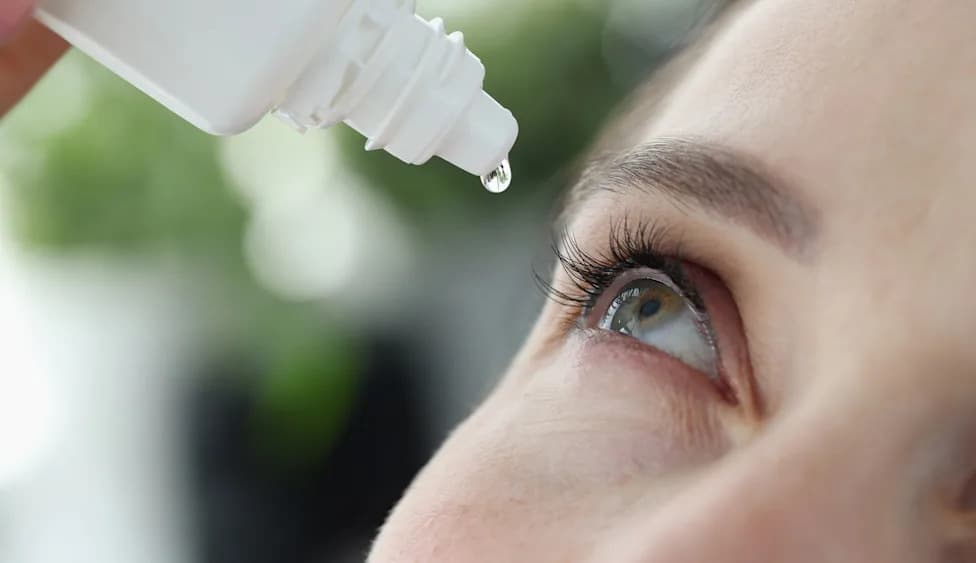
Photo Credit: iStock
A nationwide recall by Rohto-Mentholatum (Vietnam) Co. Ltd. is removing nearly 12 million over-the-counter eye-drop bottles from U.S. store shelves after the company said the products' "sterility cannot be assured." The Food and Drug Administration has classified the action as a Class II recall, meaning use of the product could cause temporary or medically reversible health problems.
What Happened
Rohto notified regulators that it cannot fully verify these eye drops are free from contaminants. The Class II designation does not mean every bottle is contaminated; rather, the manufacturer and FDA cannot confirm sterility for a range of lots and expiration dates. The recall aims to prevent potential irritation or infection before more serious injuries occur.
Which Products Are Affected?
The recall covers more than 180 combinations of product names, lot numbers, and expiration dates. Affected varieties include Cool Relief, All-in-One, Max Strength, Optic Glow, Digi-Eye, and Dry Aid sold in 0.34 fl oz (10 mL) and 0.44 fl oz (13 mL) bottles. These products were manufactured between July 2023 and March 2026, and some bottles carry expiration dates through February 2029.
What You Should Do
If you own Rohto eye drops, examine the bottle and packaging carefully. Check the exact product name, lot number, and expiration date—checking only the brand is not enough because so many combinations are affected. If your bottle matches a recalled listing, stop using it immediately.
Do not share eye drops with others. Keep outer cartons when possible—lot and expiration information printed on the box can make it easier to confirm whether a product is included in future recalls. If you’re unsure whether your bottle is recalled, consult the FDA recall notice, the manufacturer’s website, or the place of purchase for guidance.
When To Seek Medical Help
Although many problems would be temporary or medically reversible, contamination can cause eye infections. Stop using a recalled product and contact a healthcare professional promptly if you experience symptoms such as persistent redness, pain, increased tearing, eye discharge, swelling, or changes in vision. People at higher risk—those with weakened immune systems, recent eye procedures, eye injuries, or chronic eye conditions—should be especially cautious and seek medical advice sooner rather than later.
Why This Matters
This recall highlights how quality-control lapses can be caught after products reach shelves and why prompt action protects public health. A recall does not always mean widespread harm has already occurred, but it signals that manufacturers and regulators are acting to reduce risk.
Bottom line: Verify your bottle’s product name, lot number, and expiration date—if it’s on the recalled list, stop using it and contact a healthcare provider if you have symptoms.
Help us improve.