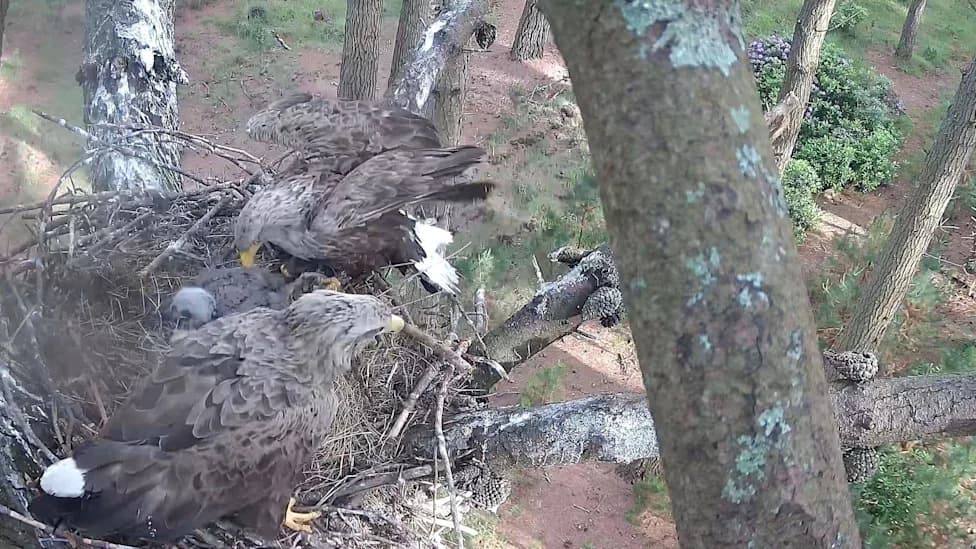
Feliks, a juvenile eastern imperial eagle, was captured by traffickers after fledging and later recovered after lengthy negotiations. Rescued to a Beirut wildlife centre, he spent more than six months in rehabilitation before being flown home to Serbia on a military plane and cared for at Palic Zoo. After further recovery, Feliks was released back into the wild and will be closely satellite-monitored as conservationists hope he establishes territory and breeds.
Rare Eastern Imperial Eagle 'Feliks' Rescued From Traffickers and Released Back Into the Wild
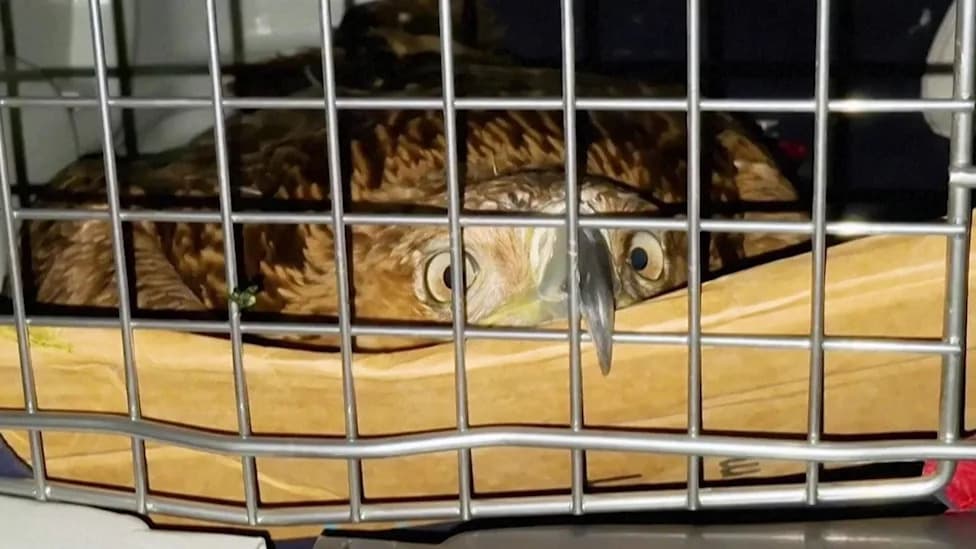
Serbian peacekeepers brought him home on a military transport plane [AFP]
A young eastern imperial eagle named Feliks has been rescued from wildlife traffickers, rehabilitated in Beirut, and returned to Serbia, where he was released back into the wild after careful veterinary care.
From Tracking Signal To Rescue
Experts from the Bird Protection and Study Society of Serbia (BPSSS) fitted the juvenile eagle with a satellite tracker when he first left the nest in July 2025 to monitor his migration. The tracker showed him heading toward the Middle East, a route conservationists considered dangerous. When his signal went silent in October 2025, teams first suspected a technical fault; they later learned he had been captured and offered for sale by traffickers.
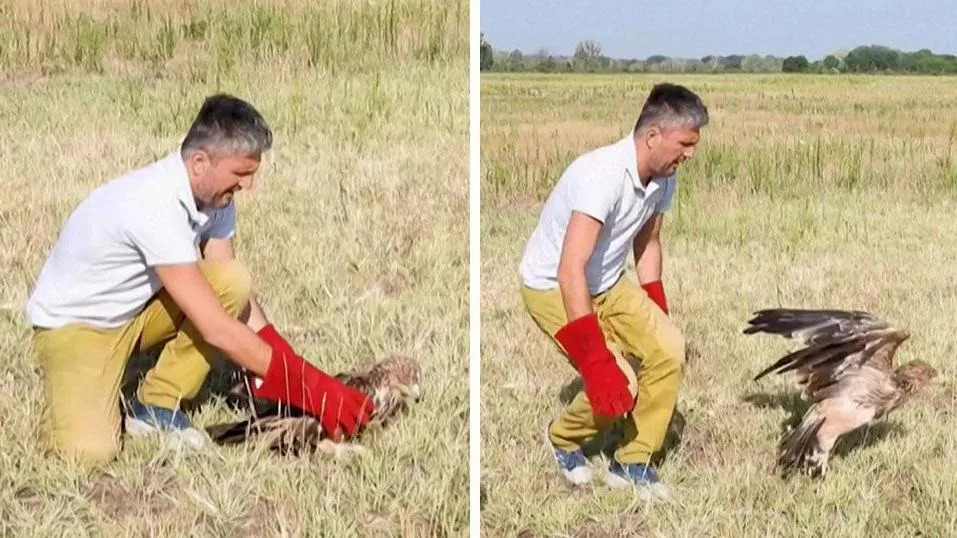
Feliks spent months in recovery before he was finally released again [AFP]
Refused Ransom, Coordinated Negotiations
A partner organisation in Lebanon alerted Serbian conservationists that unnamed captors were demanding a ransom for Feliks. "We categorically refused," BPSSS representative Uros Stojiljkovic told AFP, explaining that paying would fund the smuggling network. After lengthy negotiations involving conservation groups and intermediaries, the bird was safely recovered.
"By refusing to pay, you avoid perpetuating the smuggling chain," said Stojiljkovic.
Rehabilitation and Journey Home
Reports say Feliks was moved across the Syria–Lebanon border—at one point reportedly carried in a potato sack over the Nahr al-Kabir river—before arriving at a wildlife centre in Beirut, where he recuperated for more than six months. In June this year, Serbian peacekeepers escorted him back to Serbia on a military plane and brought him to Palic Zoo for monitoring and rehabilitation.
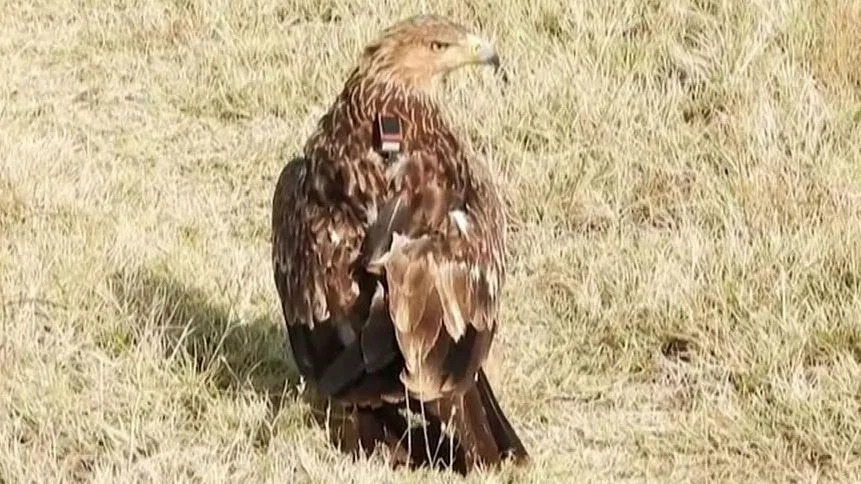
An adult eastern imperial eagle has a wingspan of six feet (2 meters) [AFP]
"He arrived exhausted after a long and demanding transport by military plane," Palic Zoo director Sonja Mandić said, adding that Feliks' condition was checked daily. After more than a month of careful recovery, veterinary staff and conservationists judged him fit to return to the wild.
Release And Ongoing Monitoring
Feliks was released into suitable habitat in Serbia and will be closely monitored by satellite in the coming weeks to track his recovery, territory establishment and movements. Conservationists hope he will survive, claim a territory and eventually breed.
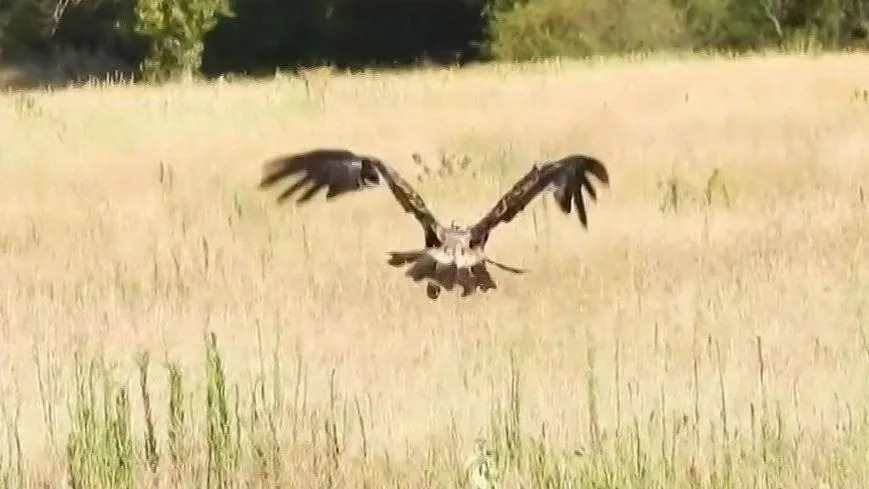
The young eagle will be closely monitored in the coming weeks, experts said. [AFP]
Conservation Context: The eastern imperial eagle is a protected species and is classified as critically endangered in many parts of its range. Conservation work in Serbia since 2017 has helped increase the national breeding population from a single pair to 29 pairs this year, the BPSSS says. An adult eastern imperial eagle can reach a wingspan of about two metres (approximately six feet), highlighting the species' impressive size.
Feliks' recovery and release have been hailed as a morale boost for regional conservation efforts and a reminder of the persistent threat posed by wildlife trafficking.
Help us improve.