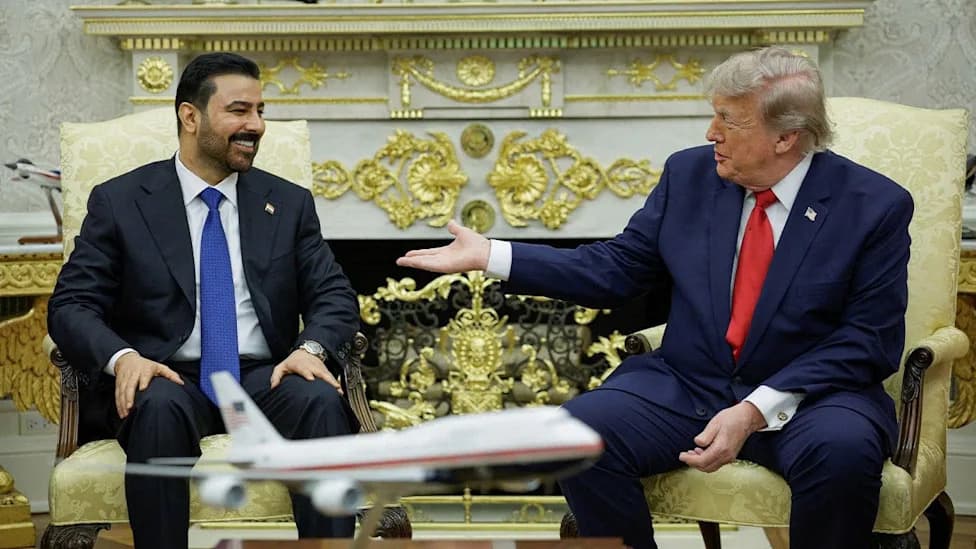
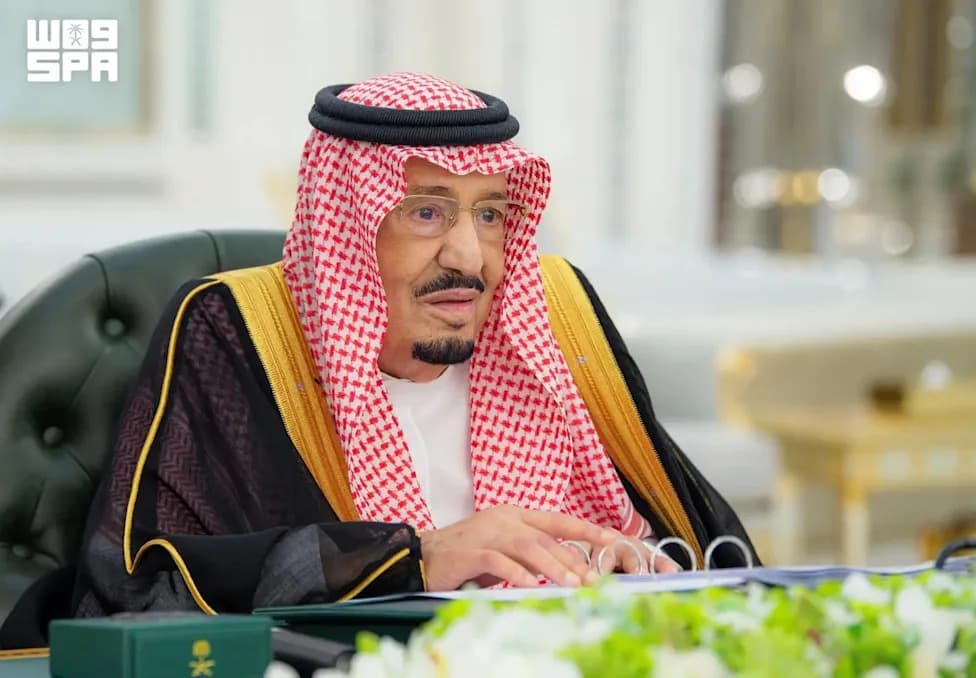
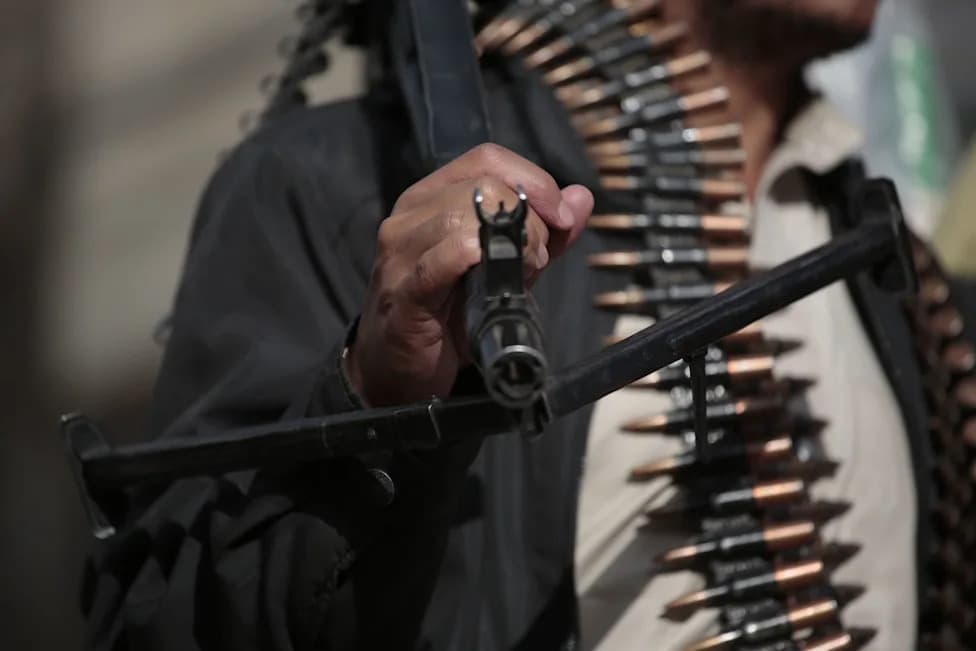
Iraqi Prime Minister Ali al-Zaidi met Saudi intelligence chief Khalid al-Humaidan to coordinate on regional security and to stress that Iraq will not permit its territory to be used for attacks against other countries. Zaidi emphasized protecting Iraqi sovereignty and preventing broader escalation. The meeting followed Saudi strikes in Iraq conducted with U.S. Central Command and warnings of potential militia or Houthi attacks. An Iran-aligned umbrella group said it postponed a planned retaliation after appeals by Hadi al-Amiri, without naming targets.
Iraqi PM Meets Saudi Intelligence Chief Amid Postponed Militia Retaliation
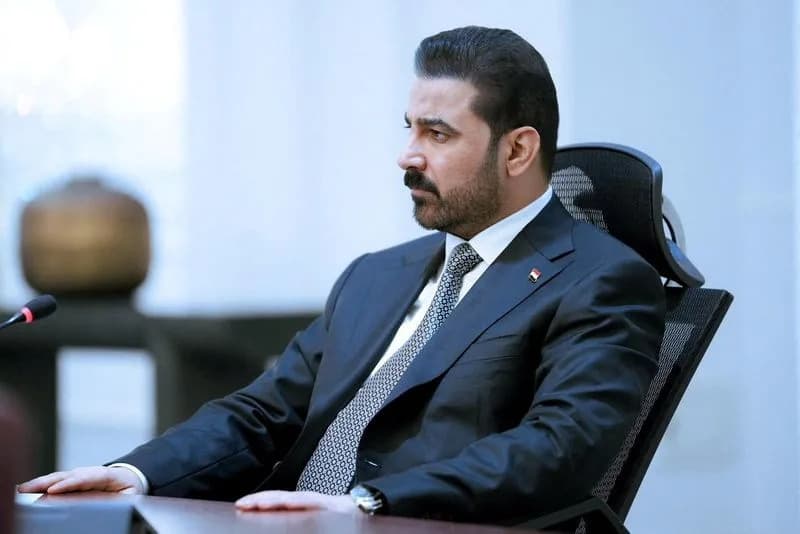
Iraqi Prime Minister and the Commander-in-Chief of the Armed Forces, Ali Faleh Al-Zaidi chairs the Ministerial Council for National Security for an emergency meeting, to discuss the latest security developments and the attack carried out by the United States and Saudi Arabian air forces, Baghdad, Iraq, July 29, 2026. Media Office of the Prime Minister/Handout via REUTERS THIS IMAGE HAS BEEN SUPPLIED BY A THIRD PARTY
Iraqi Prime Minister Ali al-Zaidi met Saudi General Intelligence Chief Khalid al-Humaidan on Friday to discuss coordination on regional security developments, the prime minister's office said.
Zaidi said Iraq would not allow its territory to be used to launch attacks or activities targeting any other country.He reiterated Baghdad's commitment to protecting Iraq's sovereignty and to preventing a wider regional escalation.
Context and Tensions
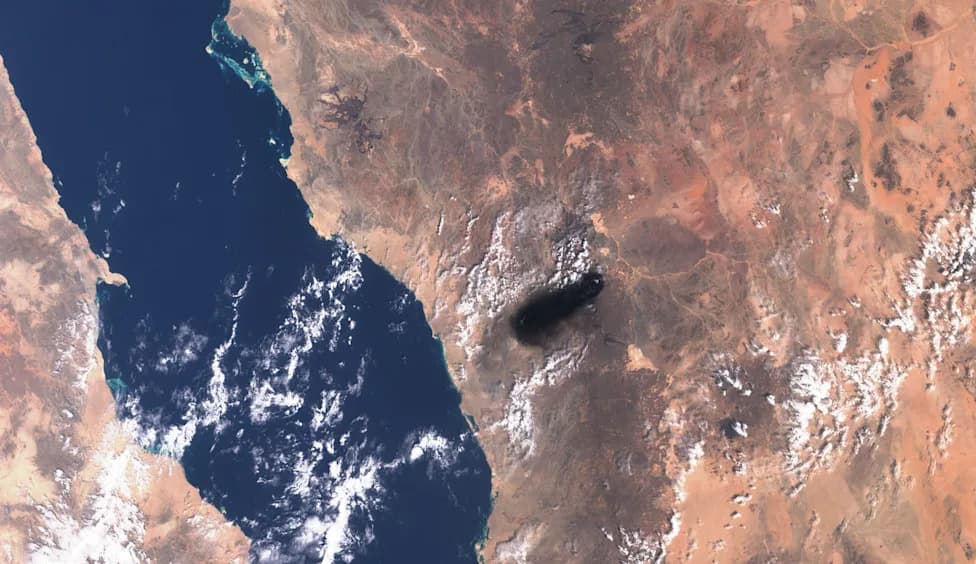
The meeting came amid heightened tensions following recent strikes inside Iraq by Saudi forces acting with U.S. Central Command. Riyadh said the strikes targeted groups it blamed for attacks on Saudi oil facilities, and Saudi authorities had warned this week of possible imminent attacks by Iraqi militias and Yemen's Houthi movement.
Militia Response Postponed
An Iran-aligned coalition of armed groups, often referred to as the Islamic Resistance in Iraq, had previously pledged to retaliate for the Saudi strikes. On Friday, the group announced it was postponing a planned response after appeals from Hadi al-Amiri — a powerful pro‑Iranian Iraqi political and militia figure — and following positions taken by unnamed political leaders. The coalition did not specify the nature or intended target of the planned response.
The talks between Baghdad and Riyadh underscore Iraq's balancing act between asserting sovereignty and managing the risk of wider regional escalation as actors across the region react to recent cross-border strikes.
Help us improve.