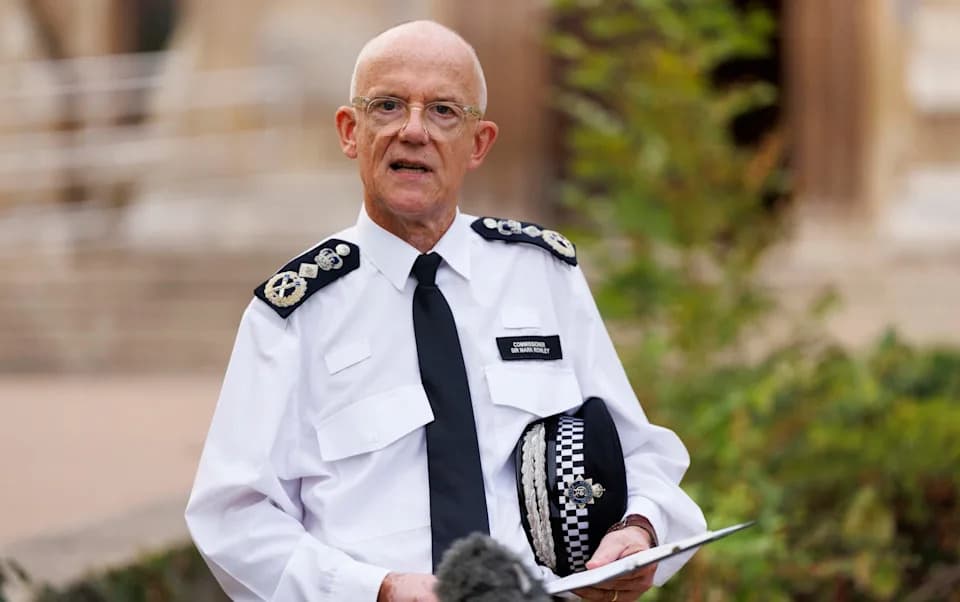
For about 30 years a frozen figure known as "Green Boots" marked a spot on Everest's north route. Indian officials now believe the remains are those of ITBP lance naik Dorje Morup, who died in a 1996 expedition, and are seeking specialist Sherpa teams to recover him. The mission is technically hazardous and costly — often $40,000–$80,000 — and complicated by harsh weather, steep terrain and limited rescue support on the Chinese side. If retrieved and DNA-confirmed, Morup's family in Ladakh plans a formal funeral in Leh.
After 30 Years on Everest, 'Green Boots' — Believed To Be Dorje Morup — May Be Brought Home
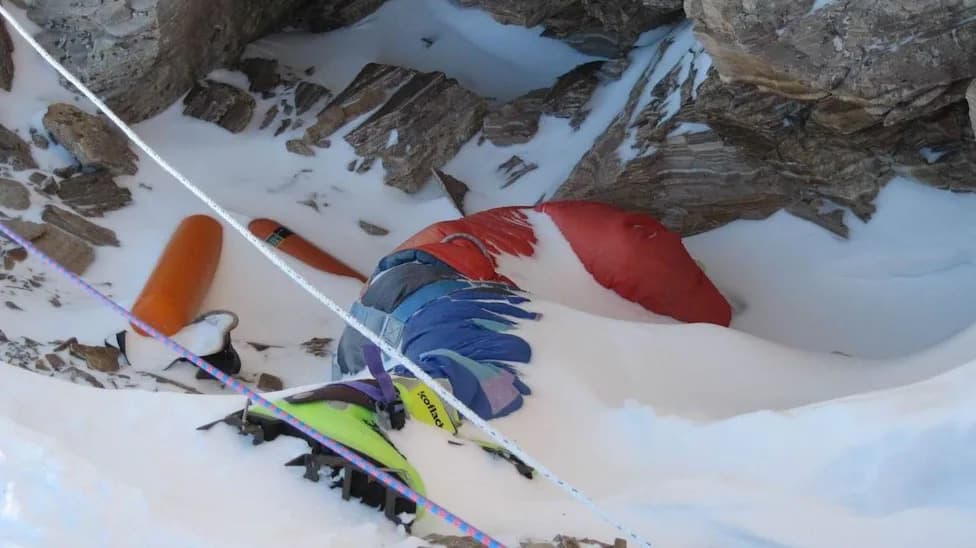
The body of an Indian climber who died 30 years ago wearing his green mountaineering boots has become a grim marker along the road to Everest's summit [Supplied]
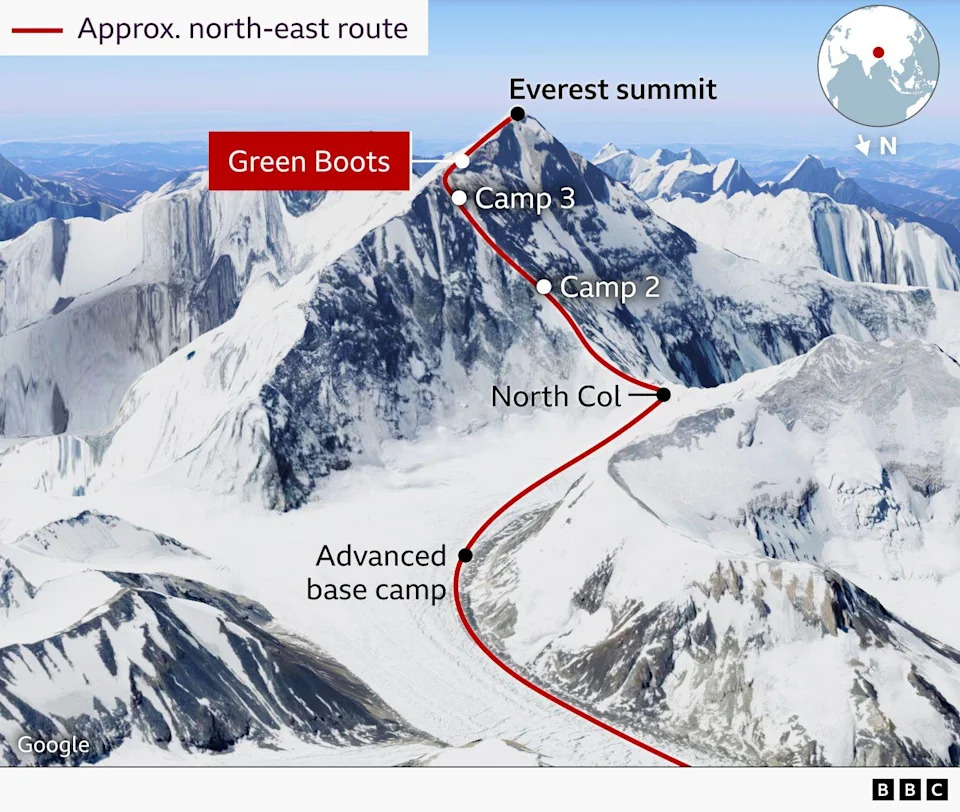
For roughly three decades a frozen body known to climbers as "Green Boots" has lain beneath an overhanging rock near Mount Everest's summit, its lime-coloured boots acting as a grim waypoint for teams on the north route. Indian authorities now say they believe the remains are those of Indo-Tibetan Border Police (ITBP) lance naik Dorje Morup, who died during a 1996 expedition, and are seeking specialist high-altitude Sherpa teams to recover him.
A Family Waiting for Closure
Morup's widow, Konchak Yangskit, recalled the night before he left for the expedition: he promised to return a hero and asked her to care for their children. For years she held onto hope because she never saw his body. "On some days, before I went to sleep, I would think that there'd be a knock on the door tonight and that when I opened, he would be there," she told the BBC. "When he comes home, I will ask him: 'Where were you all these years?'"
How Officials Reached This Conclusion
The 1996 ITBP party set out to summit from the Tibetan (Chinese-administered) north side, a route less-serviced than the Nepalese southern approach. Three of six team members turned back in a storm; Morup and two colleagues reached the 8,849m summit but were killed by a blizzard on descent. For years the figure known as "Green Boots" was believed to be another teammate, Tsewang Paljor. Testimony from survivors, the location of last radio contacts and clothing and equipment associated with the remains have led Indian authorities to conclude the body is likely Morup's.
Why Recoveries Are So Difficult
Most recovery missions on Everest are technically demanding, dangerous and costly. The body believed to be Morup lies at about 8,500m in Everest's "death zone," where temperatures can drop near -40°C and oxygen is roughly one-third of sea-level levels. The north (Chinese) side is steeper and has far less helicopter-evacuation support than the south, and teams may need to send a dozen highly skilled climbers just to fix ropes and reach the site. Frozen gear can make remains vastly heavier and awkward to carry; as the body descends and warms it may begin to thaw and decompose, creating further logistical and sanitary complications.
"It's going to be very, very risky endeavour," Indian climber Kuntal Joisher told BBC Nepali. "The main thing is to not put Sherpa lives at risk for a dead body."
Cost, Timing and Next Steps
Even straightforward recovery operations can cost $40,000–$80,000. The ITBP is funding this effort and has been seeking experienced high-altitude rescue Sherpa teams, reportedly aiming to complete the mission by September. If the remains are retrieved and DNA testing confirms the identity as Dorje Morup, the ITBP plans to return the body to his family in Ladakh for formal rites.
What This Would Mean for the Family
Morup's family keeps his summit certificate issued by Chinese authorities, which records that at 17:30 on 10 May 1996 he reached Everest's summit. If the remains are confirmed, his eldest son has said the family will hold a funeral near Martyrs Park in Leh and keep the lime "Green Boots" as part of his legacy. For a widow who has lived decades not knowing, the recovery represents the possibility of finality and the chance to honor a mountaineer who served with the ITBP.
Additional reporting by Pradeep Bashyal and BBC Nepali.
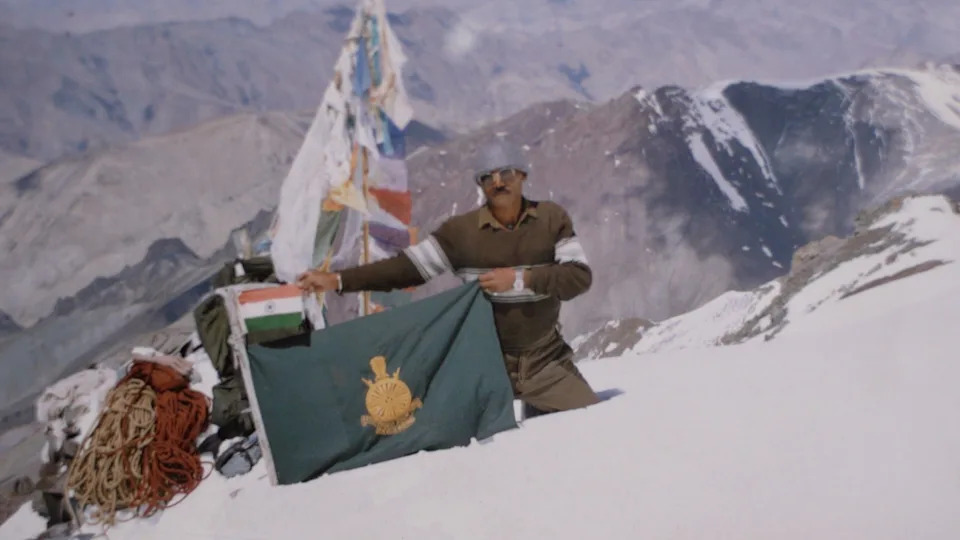
Dorje Morup was a keen mountaineer and had climbed many peaks, including Stok Kangri, the highest peak in the Ladakh mountain range [Family handout]
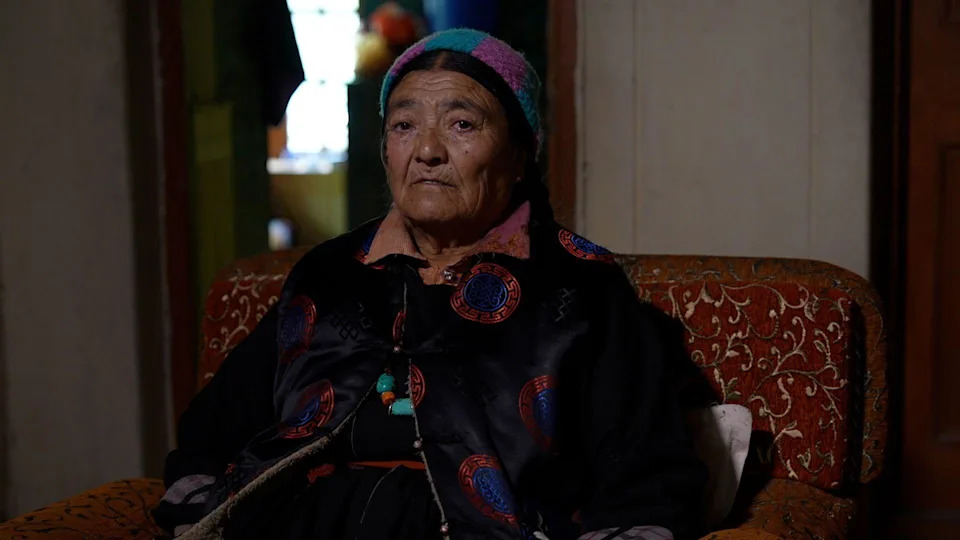
Morup's wife, Yangskit, says because she never saw his body, she found it difficult to believe he was dead [BBC]
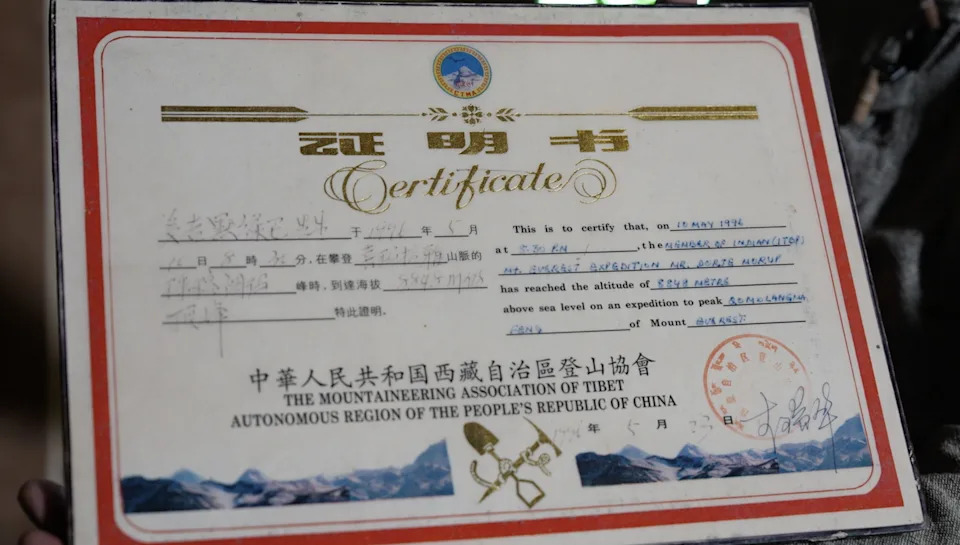
Morup's family is proud to show the certificate issued by the Chinese government confirming he had successfully reached the top of Everest [Family handout]
[BBC]
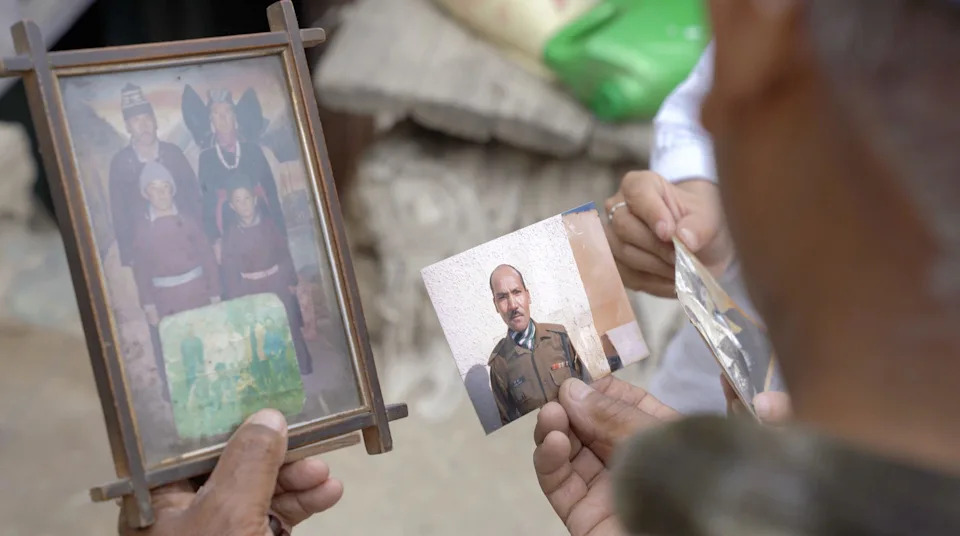
Some of photos of Morup and a few of his belongings have helped his family keep his memory alive [BBC]
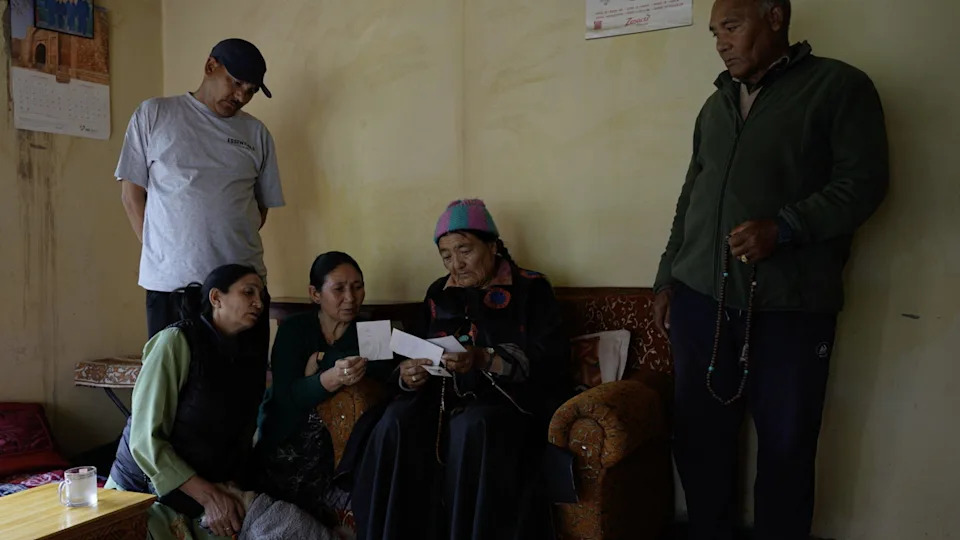
Morup's family remains cautious about what the body being returned will mean for them [BBC]
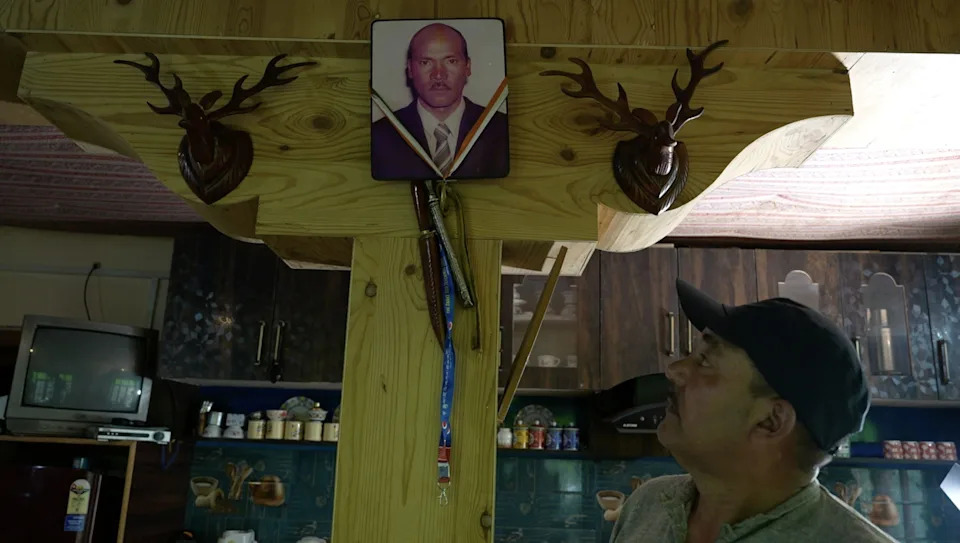
Morup's eldest son, Punchok Dorjai, looks up at a framed photo of his father [BBC]
Help us improve.