The 2017 calving of iceberg A-68 revealed a large fish nursery on the Weddell Sea floor, documented during a 2019 U.K.-led expedition using remotely operated cameras. Scientists found over 1,000 nests of the yellowfin notie (Lindbergichthys nudifrons), with some nests holding thousands of eggs and males guarding them for months. Researchers identified six geometric nesting patterns—clusters made up 42%—which may reduce predation risk for central eggs. The discovery bolsters proposals for Vulnerable Marine Ecosystem status and a Marine Protected Area in the Weddell Sea.
Iceberg A-68’s Calving Exposed a Vast Fish Nursery on the Weddell Sea Floor — Strengthening Calls for Protection
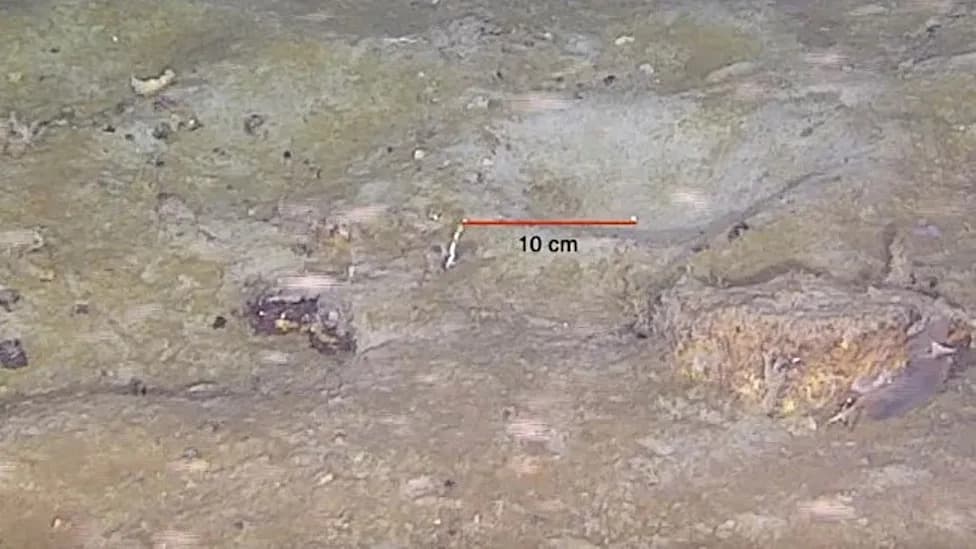
Photo Credit: Frontiers in Marine Science
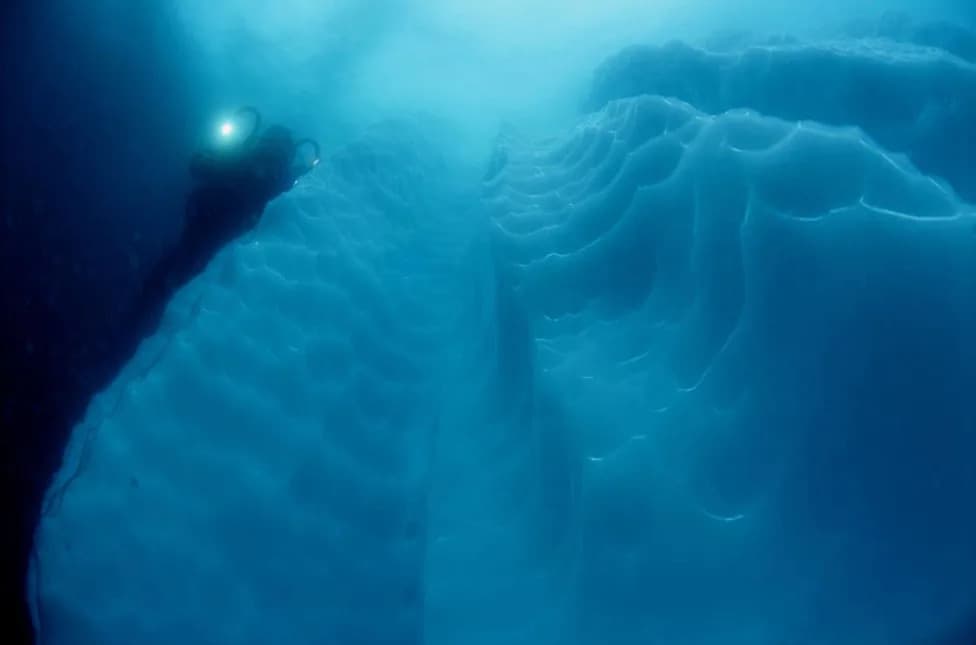
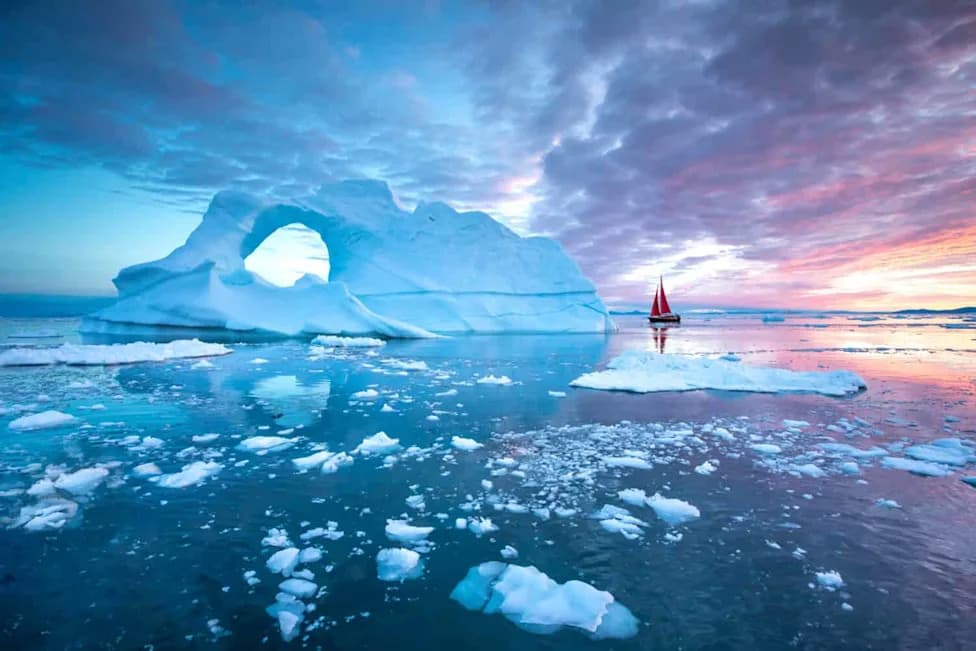
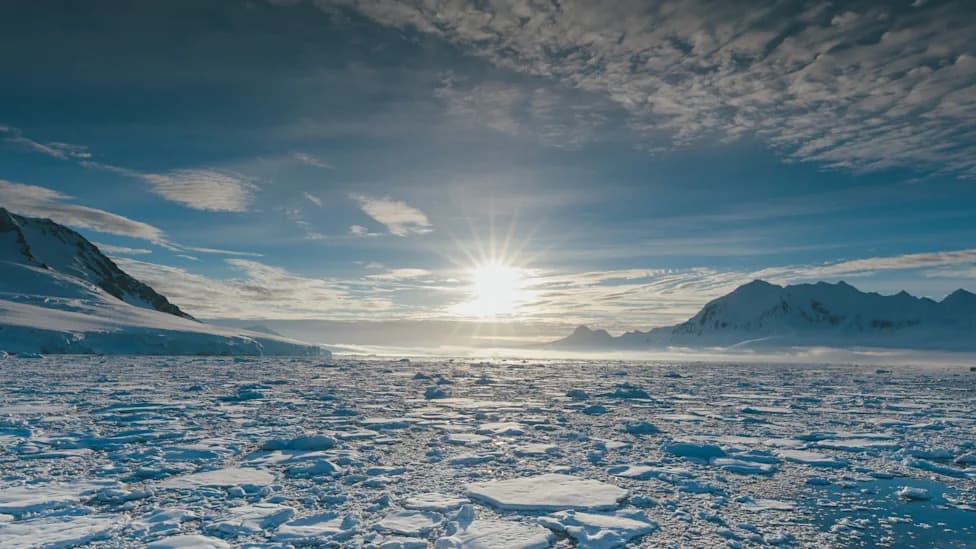
When iceberg A-68 broke away from Antarctica's Larsen C ice shelf in 2017, it did more than change the coastline — it opened a rare window onto seafloor that had been hidden beneath ice for decades. A 2019 U.K.-led expedition used a remotely operated submersible camera to explore that newly exposed habitat and made an unexpected discovery: a massive, highly organized fish nursery on the floor of the Weddell Sea.
What Scientists Found
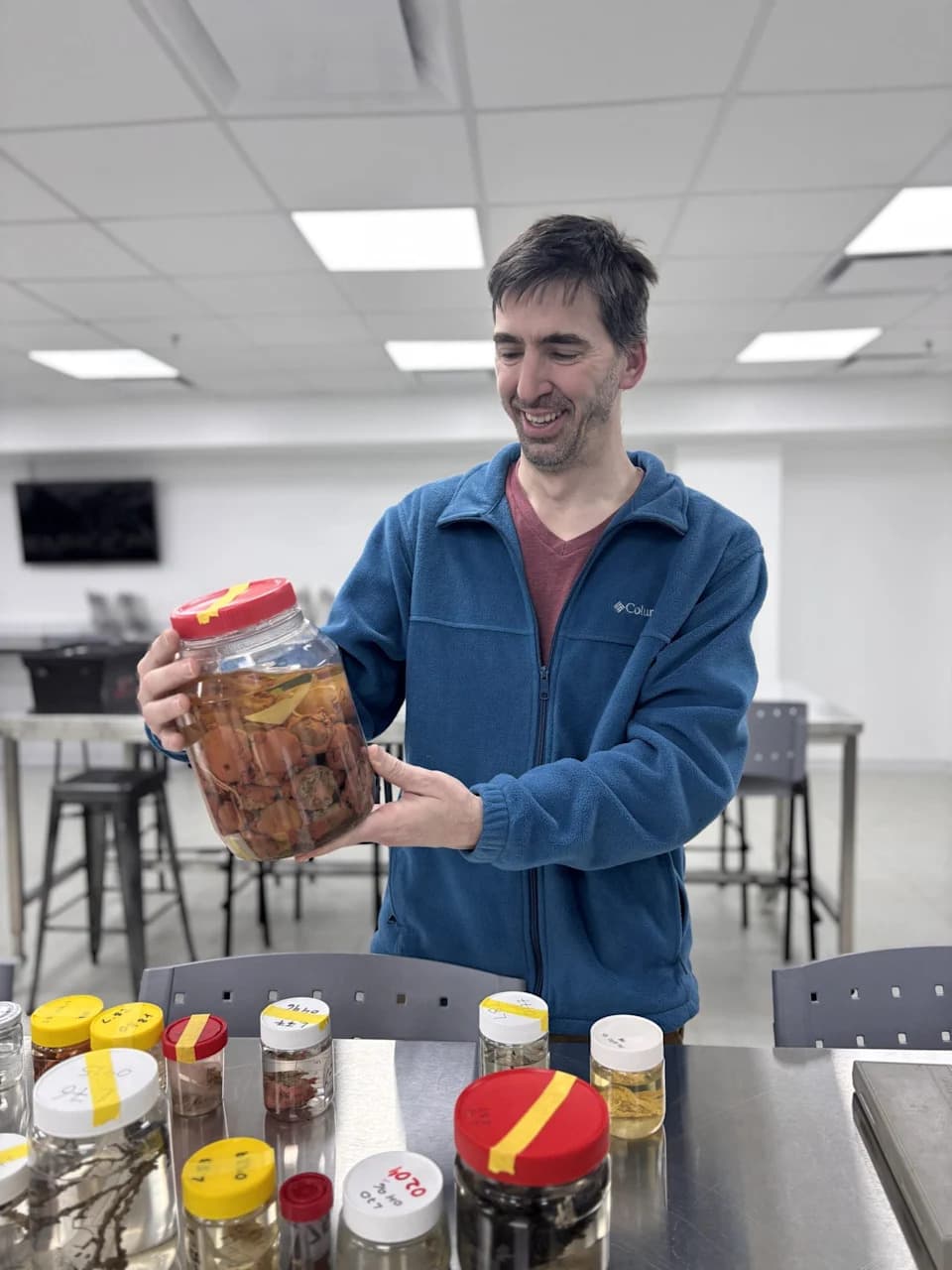
The survey recorded more than 1,000 nests belonging to Lindbergichthys nudifrons, commonly called the yellowfin notie. This small Antarctic icefish grows to roughly 7.7 inches (about 19.5 cm). Individual nests can contain thousands of eggs, and males have been observed guarding eggs for as long as four months.
Nesting Patterns and Their Significance
Beyond sheer abundance, researchers were struck by the nests' structured arrangements. They identified six distinct geometric nesting patterns; the most common pattern — dense clusters — accounted for 42% of nests observed. In dense clusters, nests sat close together and sometimes overlapped, which researchers suggest could reduce risk for eggs in the cluster center.
Researchers noted: 'These findings provide critical evidence of unique, structured breeding habitats, fulfilling key criteria for the designation of Vulnerable Marine Ecosystems and strengthening the case for the proposed Weddell Sea Marine Protected Area.'
How the Study Was Done
The discovery followed the 2017 calving of A-68 and the 2019 Weddell Sea Expedition, when scientists deployed remotely operated vehicles and cameras to survey seafloor newly accessible after the iceberg's departure. The team was also searching for the wreck of Sir Ernest Shackleton's ship, Endurance, which sank in the Weddell Sea in 1915 and was located in 2022.
Conservation Implications
Large, well-organized breeding grounds are critical indicators of ecological importance. The scale and structure of this nursery suggest the western Weddell Sea supports a far more active and complex benthic community than previously documented. Because breeding sites are often highly sensitive to disturbance, the findings strengthen scientific arguments for designating parts of the Weddell Sea as Vulnerable Marine Ecosystems (VMEs) and for establishing a Marine Protected Area (MPA) to limit future disruptions.
Using remote survey technology in this remote region allowed researchers to observe natural behaviors without direct human interference and to collect evidence needed to inform conservation policy. Protecting such habitats could help preserve biodiversity, maintain healthy food webs, and support ecosystem functions that influence broader climate and ocean resilience.
Help us improve.