Archaeologists in İzmir have exposed a 1,500-year-old mosaic floor at the ancient site of Smyrna, dated to the 4th–6th centuries A.D. The 16.4-by-8.2-foot (≈5.0 × 2.5 m) pavement, discovered during infrastructure work, displays geometric and floral motifs including a red, heart-like ivy-leaf design. Finds from later layers show continued use into the late Ottoman and early Turkish Republic periods, and evidence suggests later builders avoided damaging the pavement. The discovery adds domestic detail to excavations in cities linked to the Book of Revelation.
1,500-Year-Old Mosaic Unearthed Beneath Ancient Smyrna — Intact Floor Sheds Light on Daily Life in İzmir
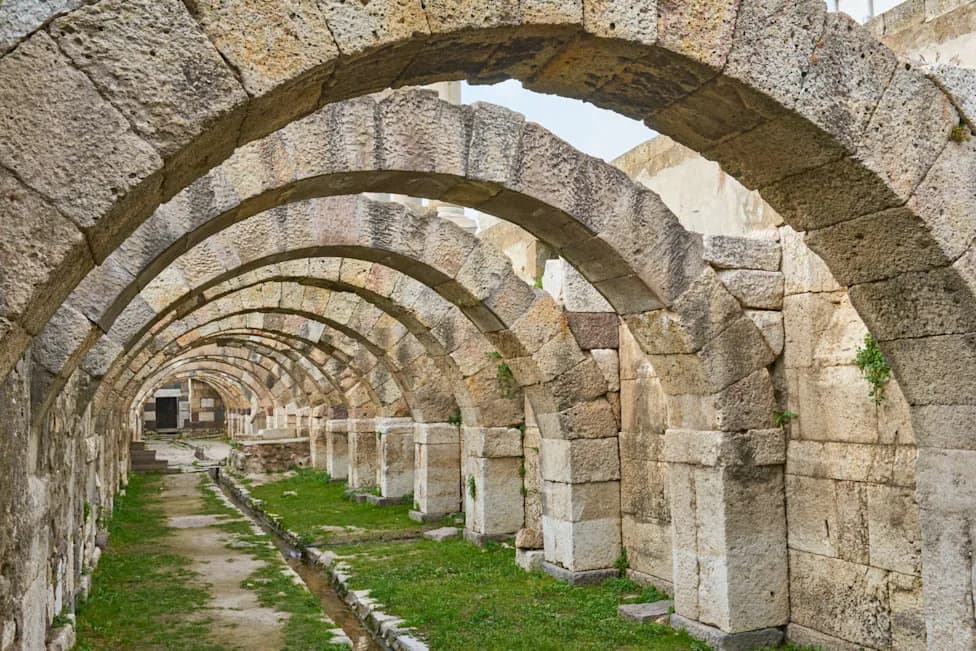
Photo Credit: iStock
Archaeologists working in the ancient city of Smyrna — modern-day İzmir, Turkey — have uncovered a remarkably well-preserved mosaic pavement estimated to be about 1,500 years old. The discovery, made during routine infrastructure work inside the Smyrna archaeological zone, offers a window into domestic life rather than a monumental public building.
The Find
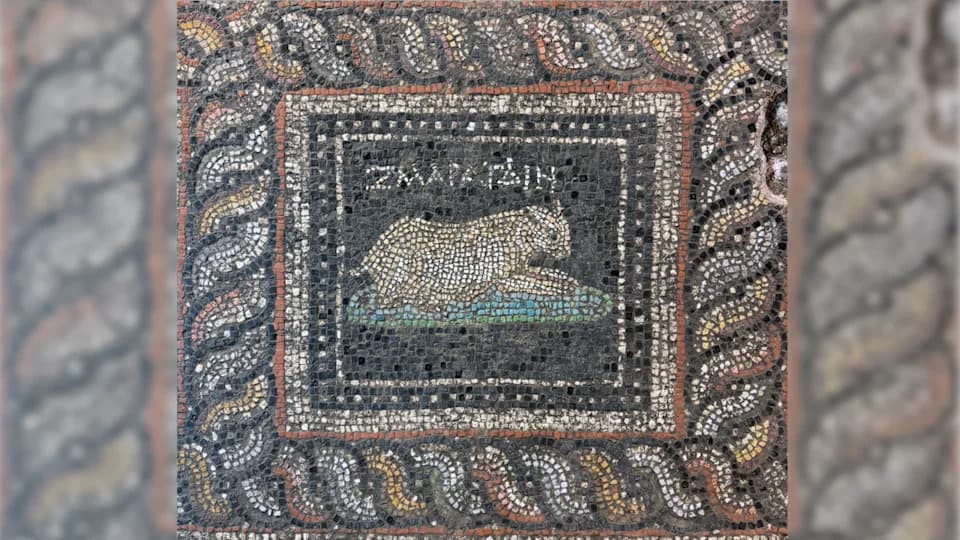
Turkey's state-run Anadolu Agency reports the mosaic dates to between the 4th and 6th centuries A.D. and measures roughly 16.4 feet by 8.2 feet (about 5.0 × 2.5 meters). The tiled floor features geometric and floral motifs, highlighted by a red, heart-like ivy leaf formed from tesserae — the small colored tiles used in mosaics.
Context And Preservation
Excavation director Akın Ersoy said archaeologists documented the mosaic before fully exposing it and found traces of the walls that once defined the room.
"In connection with this, we also found traces of the walls that defined the space," Ersoy told Anadolu Agency.
Photographs from the site show the pavement in notably good condition. Finds recovered from later layers — including bags, cooking pots, and earthenware vessels — date to the late Ottoman era and the early years of the Turkish Republic, suggesting the space continued to be used for everyday activities well after the mosaic was laid.
"We believe that a structure was built over the mosaic during the Ottoman period in the 19th century and that the new layout was created while avoiding damage to the mosaic floor as much as possible," Ersoy said.
What The Motifs May Mean
While a modern viewer might read the red, heart-like motif as a symbol of romantic love, Ersoy cautioned against applying later cultural meanings to ancient imagery. The heart shape did not clearly represent affection in early periods; that association became common only in the Renaissance. In antiquity, an ivy-leaf motif often carried different symbolic meanings, such as loyalty or connections to particular deities and rituals.
Beyond symbolism, mosaics like this reveal technical skill, interior decoration preferences, and how spaces were adapted and reused across centuries. Commentators note this discovery adds a domestic dimension to a region better known for monumental sites and its mention among the seven churches in the Book of Revelation — joining other recent finds at cities such as Laodicea and Ephesus.
Significance: The pavement deepens understanding of everyday life in late antiquity and demonstrates how later communities sometimes preserved older floors when building above them, intentionally or otherwise.
Help us improve.