An archaeological dig in Devon has uncovered an extensive Roman villa complex, featuring a well-preserved 12-square-metre polychrome mosaic, a separate stone bathhouse with at least two waterproof plunge pools, and a range of luxury items dated to the fourth century A.D. The excavation was led by the University of Exeter in partnership with Cotswold Archaeology. Conservation teams will lift the mosaic for display at the Tiverton Museum of Mid-Devon Life, and two more seasons of fieldwork are planned to reveal more of the villa's story.
Stunning 1,600-Year-Old Roman Mosaic and Bathhouse Unearthed Under Devon Farmland
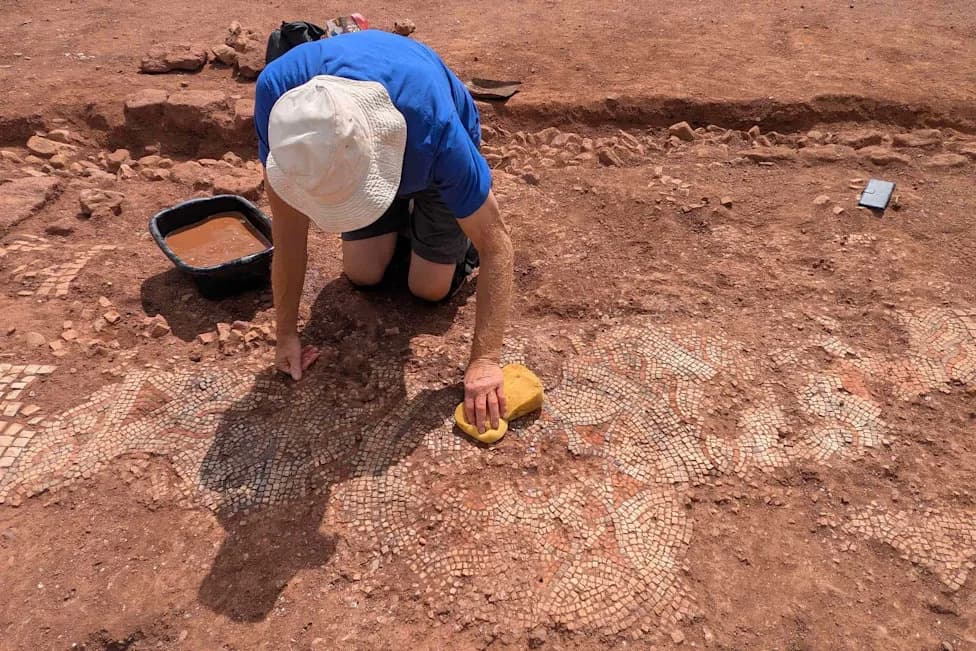
Archaeologist cleaning the hidden Roman mosaicCredit: courtesy of the SHARE project
An extensive two-month excavation between the villages of Halberton and Sampford Peverell in Devon has revealed a remarkably well-preserved Roman villa complex, centring on a vivid polychrome mosaic, a substantial bathhouse and a range of luxury household items that illuminate life in fourth-century Britain.
Key Finds
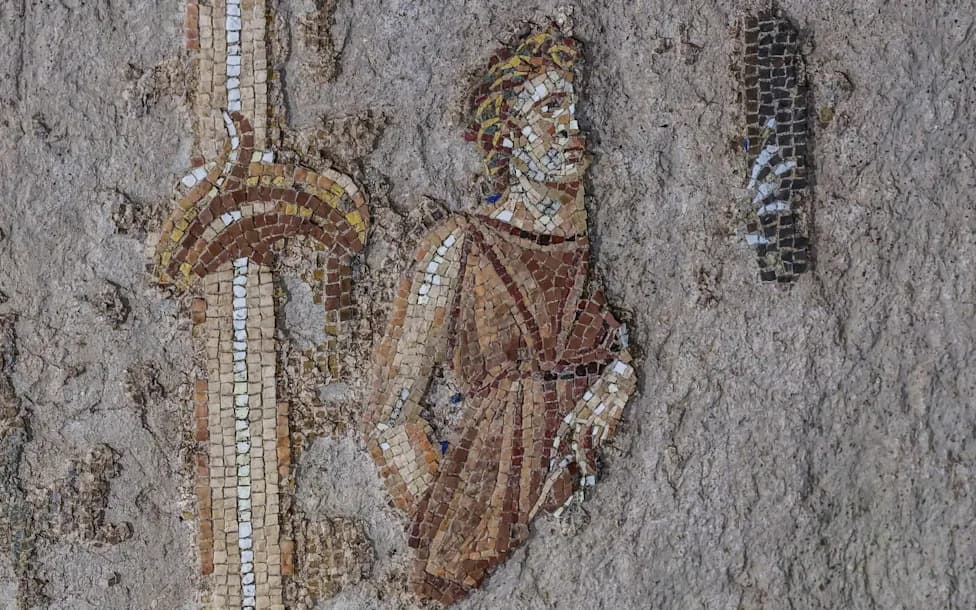
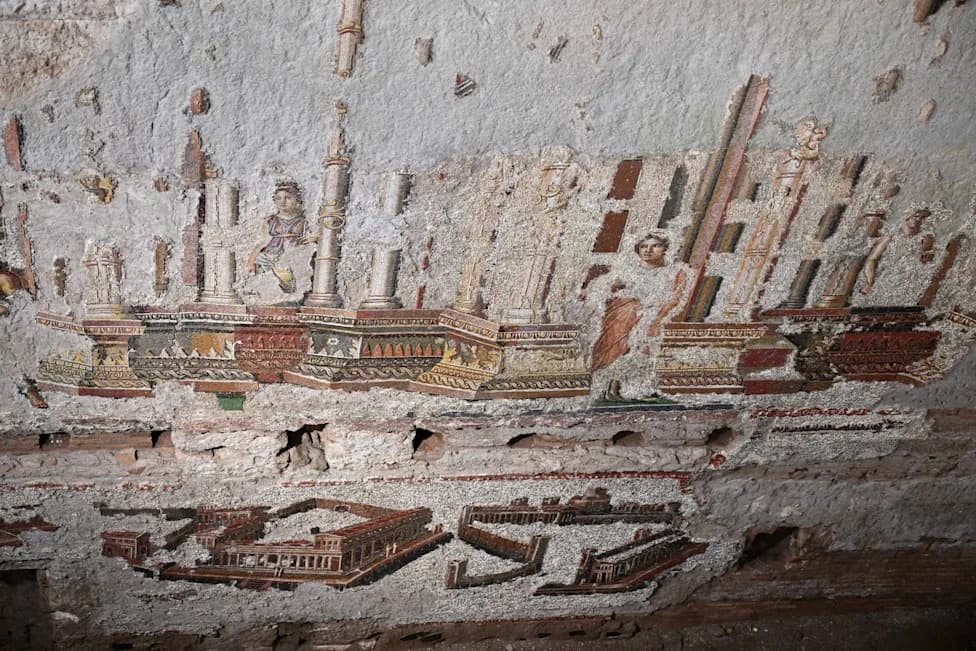
At the heart of the site archaeologists uncovered a 12-square-metre polychrome mosaic composed of thousands of small stone cubes in red, white and dark blue-gray. Specialists date the pavement to the fourth century A.D., suggesting it likely decorated a principal reception or dining room within the villa.
"At the outset, we recognised this villa and its surrounding working areas as an important site for understanding the 'Romanisation' of Devon," said project leader Dr. Susan Greaney of the University of Exeter's Department of Archaeology and History. "From day one, it has produced a wealth of interesting and, at times, unexpected finds."
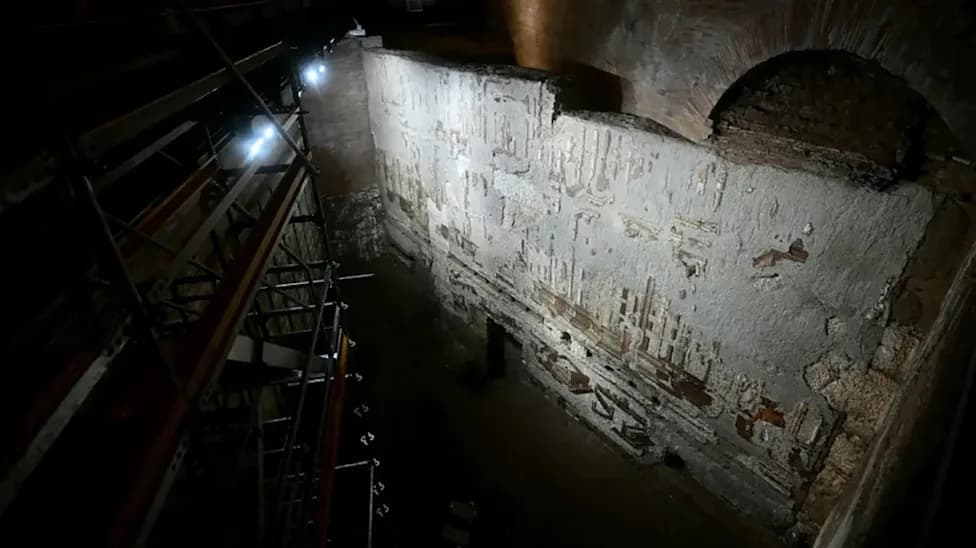
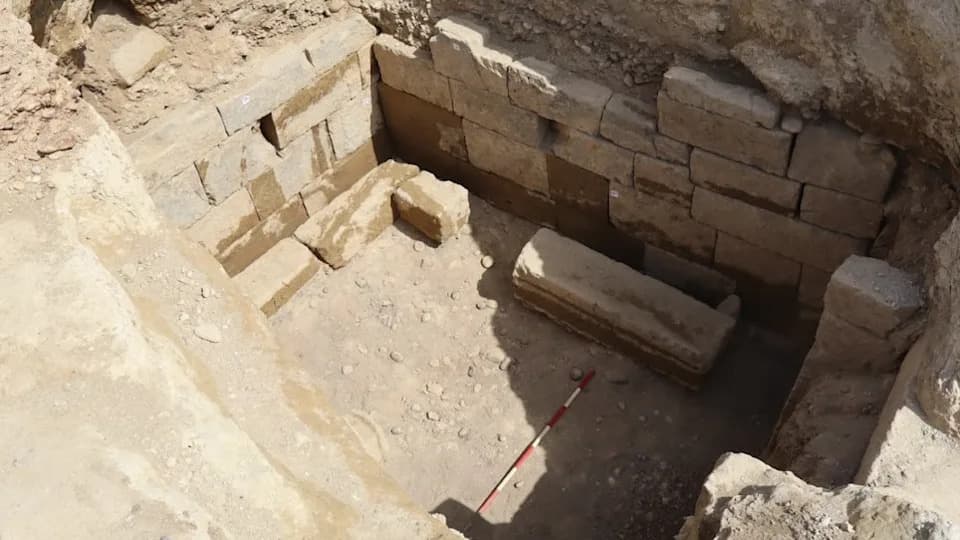
One of the most surprising discoveries was a separate stone-built bathhouse containing at least two plunge pools constructed with waterproof Roman concrete and painted plaster walls, indicating the building's former luxury and status.
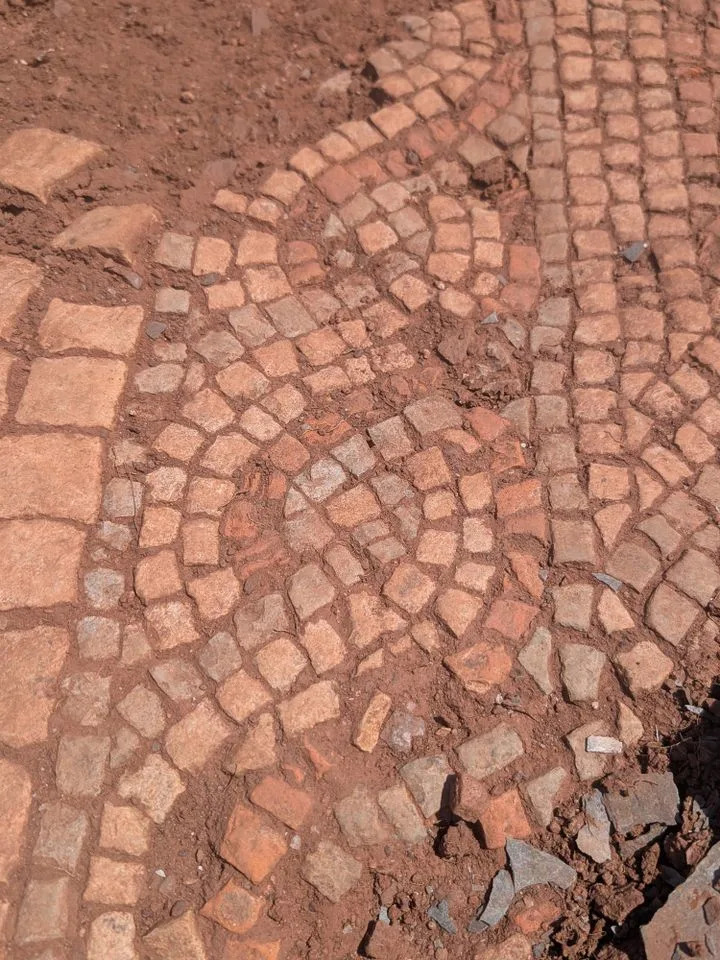
Roman MosaicCredit: courtesy of the SHARE project
"We did not expect to find such an elaborate bathhouse, for example," Dr. Greaney added, underscoring that the villa was home to people of real wealth and standing in the region.
Artifacts and Daily Life
Excavators recovered a variety of personal and domestic objects that together point to a Romanised lifestyle: a carved blue gemstone depicting the goddess Victory, a delicate copper-alloy bracelet, a silver-plated spoon, serving pottery and a very large storage jar. These finds reinforce evidence that even far-western provincial settlements adopted Roman material culture and domestic practices.
Bill Horner, Devon County Council's county archaeologist and historic environment manager, noted that "the polychrome mosaic is the most westerly example found in a villa in Roman Britain," highlighting the site's importance for understanding the spread of Roman culture across Britain.
Conservation and Future Work
Specialist teams are carefully lifting the mosaic so it can be conserved and later displayed at the Tiverton Museum of Mid-Devon Life, alongside many of the other artifacts recovered during the dig. Researchers stress that this season marks only the beginning: two further seasons of excavation are planned as archaeologists continue to investigate the surrounding estate in search of the villa's full layout and history.
Credit: SHARE project / University of Exeter
Help us improve.