A study published July 29 in the Journal of Ecotourism finds that tourist feedings on Okunoshima ("Rabbit Island") are luring native wild boar into rabbit‑dense areas, where boar scavenge leftovers and carcasses and have occasionally preyed on live rabbits. The rabbits, descended from introduced European domestic stock, have flourished due to visitor handouts. Researchers urge stricter feeding rules, population monitoring, vegetation analysis and public education to protect the island's ecosystem.
Tourists' Handouts May Be Turning Japan’s 'Rabbit Island' Into a Boar Hunting Ground
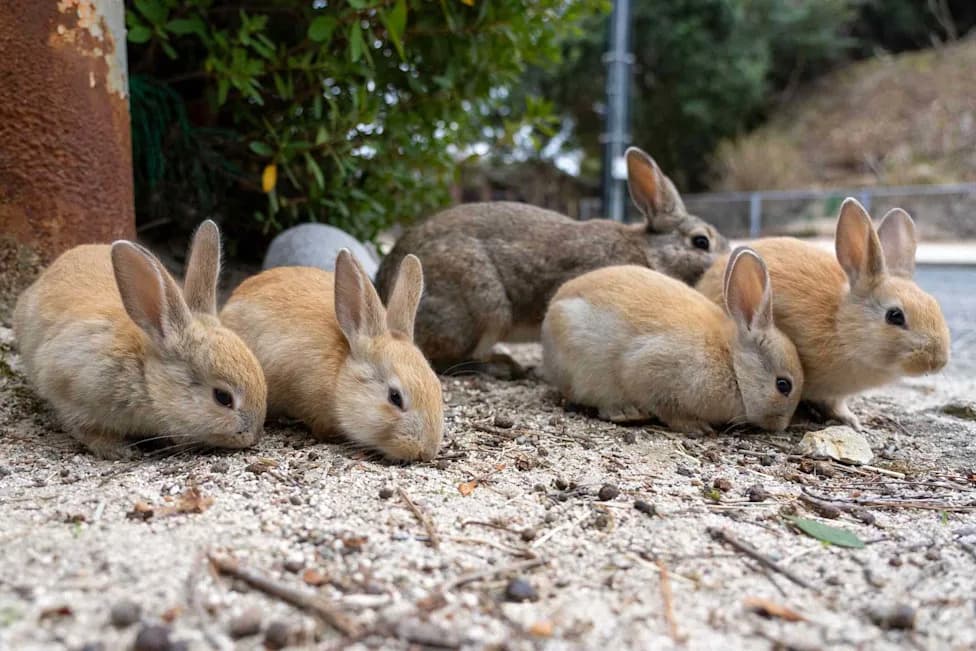
Wild baby rabbits and mother rabbits on Okunoshima Island, Hiroshima, JapanCredit: Shutterstock
Okunoshima, commonly known as “Rabbit Island,” is famous for its tame, free‑roaming rabbits — but a new study suggests tourist feedings may be reshaping the island’s food web and putting those rabbits at greater risk.
Study Findings
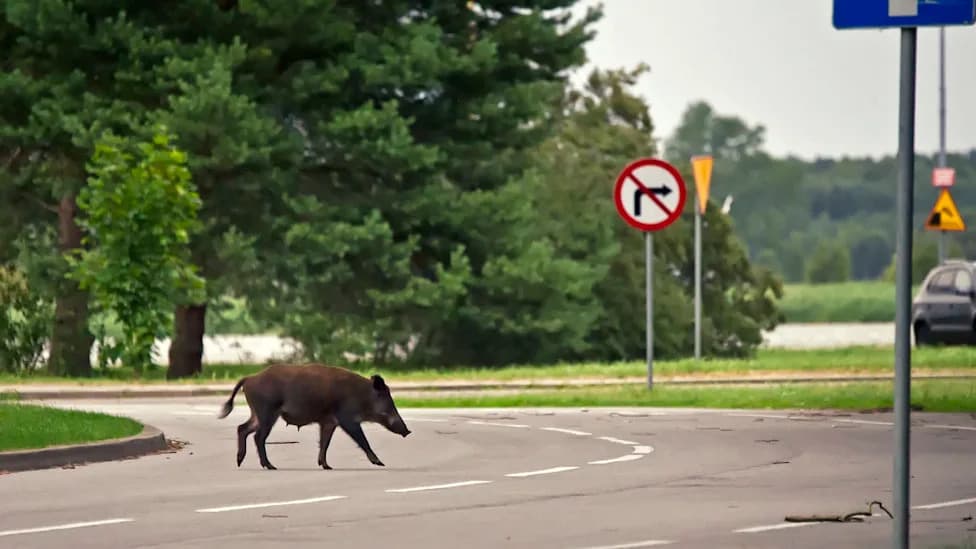
The research, published July 29 in the Journal of Ecotourism, reports that native Japanese wild boar (Sus scrofa) on Okunoshima have been observed eating leftover rabbit feed, scavenging rabbit carcasses and, in some cases, preying on live rabbits. The authors link these changing behaviors to the abundance of food provided — and left behind — by visitors.
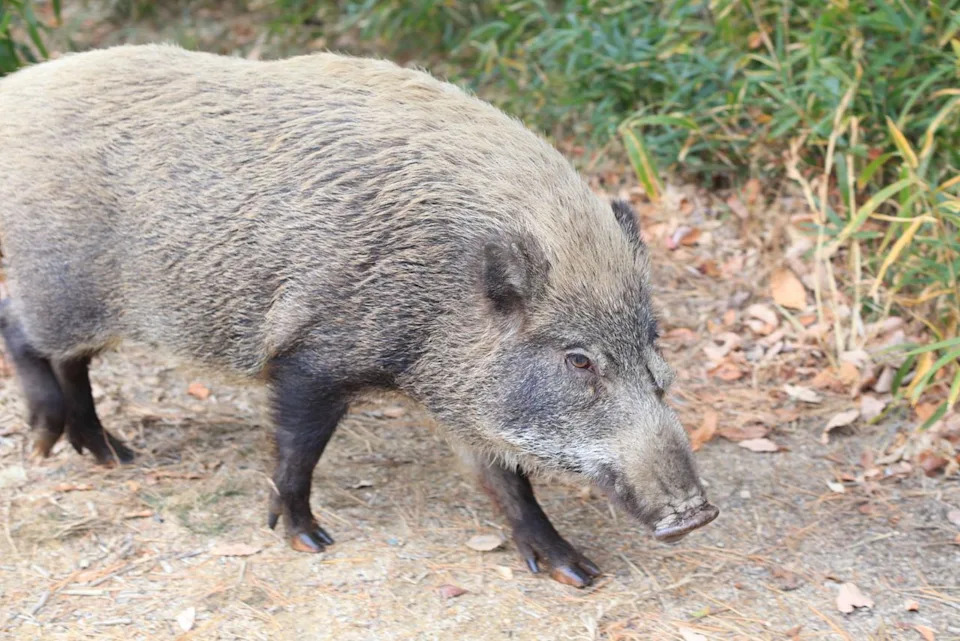
Japanese wild boar (Sus scrofa) in JapanCredit: Shutterstock
“When we first heard that a wild boar had preyed on a live rabbit, we were surprised,” said Shingo Kaneko, a co‑author and ecologist at Fukushima University. “Wild boars are known to scavenge animal carcasses, but they are not generally regarded as animals that actively hunt live prey.”
Origins and Ecological Impact
The rabbits that draw visitors to Okunoshima are not native: they descend from European domestic rabbits introduced to the island, which was formerly used for poison‑gas testing during World War II. Their population has grown well beyond natural levels, largely because tourists feed them and leave food behind.
Researchers warn that these handouts can attract wild boar into areas with high rabbit density, increasing the frequency of encounters and the availability of carcasses — conditions that may encourage boar to broaden their diets to include live rabbits. A similar predation event was reportedly observed by tourists in 2017.
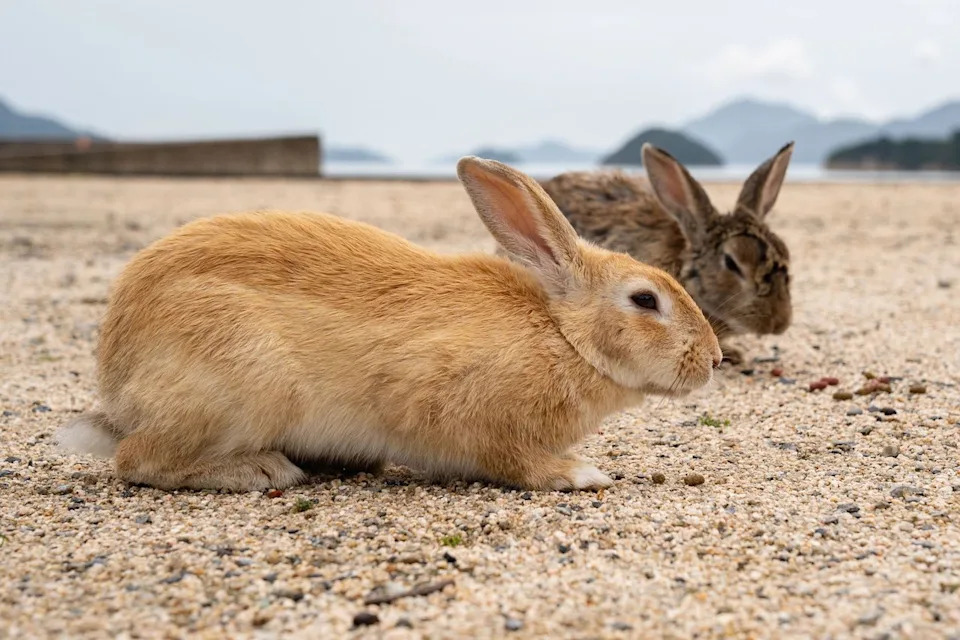
Two brown rabbits on Okunoshima Island Takehara City, Hiroshima Prefecture, JapanCredit: Shutterstock
Other Species Also Adapting
Crows and black kites have likewise been observed exploiting leftover rabbit food and scavenging rabbit remains, indicating a broader shift in how multiple species interact on the island.
Recommendations
To reduce ecological disruption, the researchers recommend:
- Enforcing stricter feeding regulations for visitors and providing secure disposal for food waste
- Implementing regular monitoring of rabbit population numbers and island vegetation
- Educating officials and tourists about the ecological consequences of feeding wildlife
The authors emphasize that their goal is not only to document predation events but to highlight how well‑intentioned wildlife tourism can quietly restructure otherwise stable ecosystems. In this isolated environment, close interactions among humans, rabbits and wild boar appear to be producing outcomes not commonly observed elsewhere.
Help us improve.