Seven Latin American countries have recently elected conservative presidents who campaigned on tougher security measures, stricter immigration controls and fiscal austerity. High-profile leaders include Argentina's Javier Milei and Colombia's Abelardo de la Espriella, both promoted as strongmen on crime and the economy. Early results show some macroeconomic gains — notably lower inflation in Argentina — but critics warn of social costs, human-rights concerns and growing polarization across the region.
From 'The Lion' to 'The Tiger': How a Conservative Wave Is Reshaping Latin America
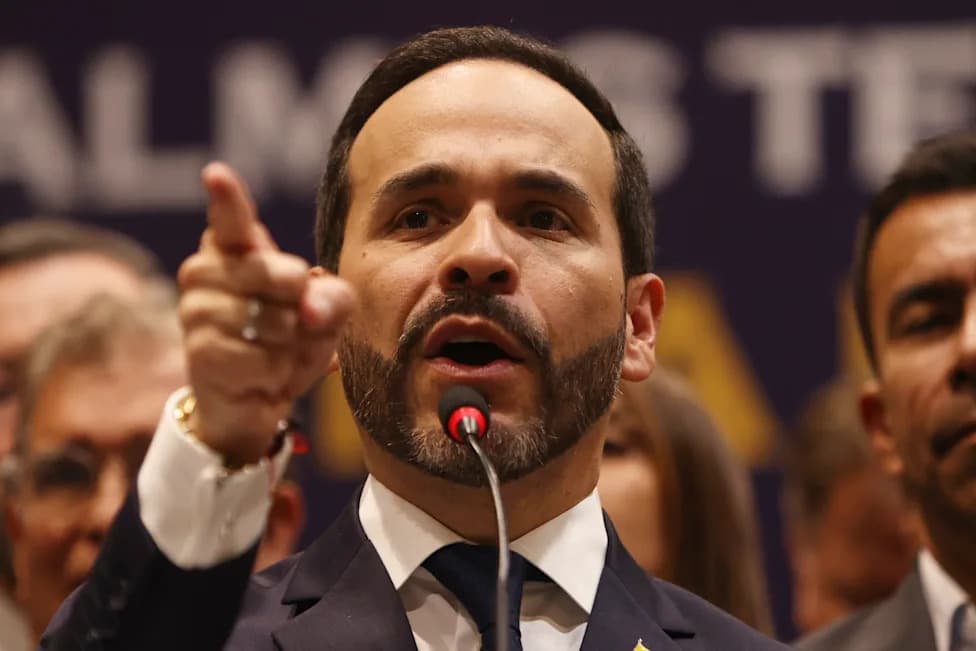
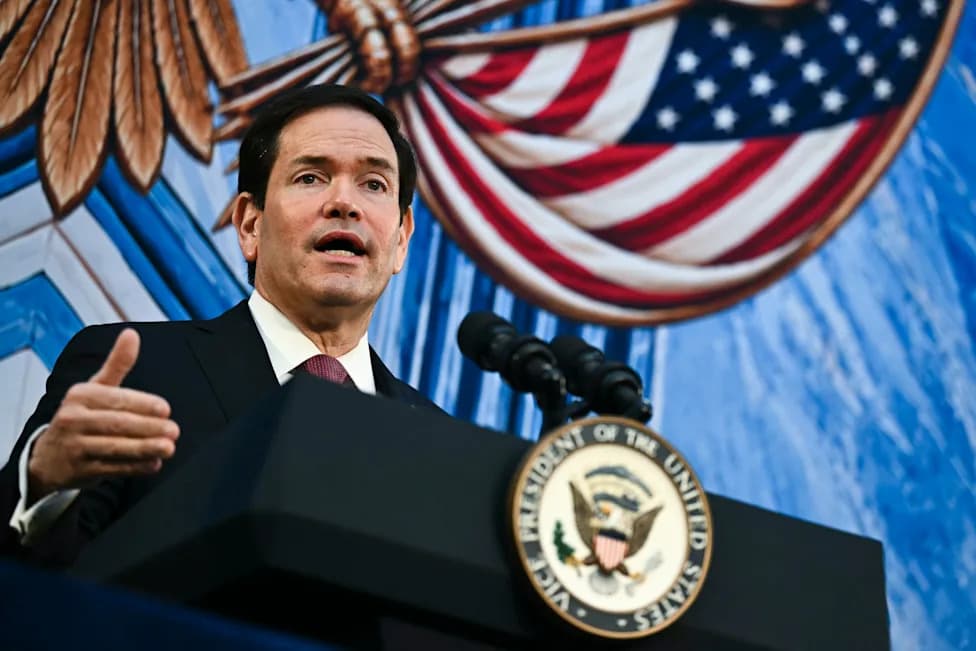
Colombia's President-elect Abelardo de la Espriella speaks during a press conference in Bogota, Colombia, Thursday, July 30, 2026. (AP Photo/John Vizcaino)(AP Photo/John Vizcaino)
BOGOTÁ, Colombia — A recent string of conservative victories has shifted the political landscape across Latin America. Since the inauguration of U.S. President Donald Trump in January 2025, seven major presidential contests in the region have been won by right-leaning candidates who campaigned on tough-on-crime platforms, tighter immigration controls and fiscal restraint.
Below is a concise, country-by-country look at the leaders who now hold power and the policies and controversies that have followed their elections.
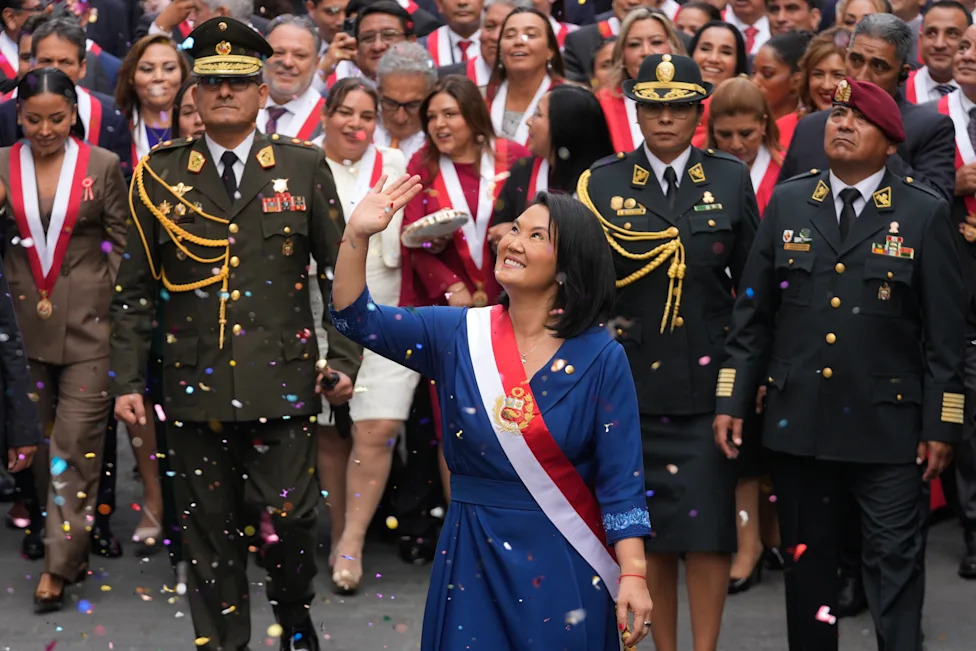
Peru's President Keiko Fujimori walks to the presidential palace after her inauguration in Lima, Peru, Tuesday, July 28, 2026. (AP Photo/Martin Mejia)(AP Photo/Martin Mejia)
Colombia
Abelardo de la Espriella, nicknamed "The Tiger," narrowly won Colombia's June presidential election, defeating progressive lawmaker Iván Cepeda. A lawyer and businessman endorsed by President Trump, de la Espriella ran on a hard-line security agenda that includes canceling peace talks with guerrilla groups and building large, high-security prisons modeled on facilities used in El Salvador. His campaign emphasized tackling extortion and drug trafficking; critics warn such measures could heighten polarization and undermine negotiated peace efforts.
Peru
Keiko Fujimori took office in July after a razor-thin June runoff victory. The daughter of former President Alberto Fujimori — whose 1990s government defeated the Shining Path insurgency amid accusations of authoritarian excesses — Keiko campaigned on a tough-on-crime platform. Her proposals include constructing four new prisons (one modeled on El Salvador's CECOT), militarizing borders to curb drug trafficking and deporting migrants without legal residency.
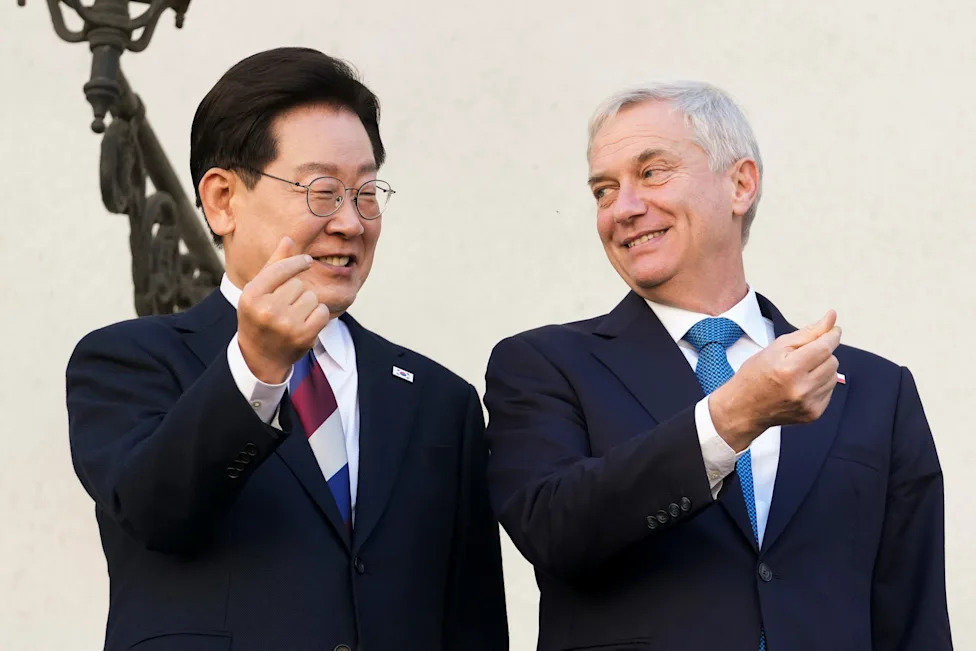
South Korea's President Lee Jae-myung, left, and Chile's President Jose Antonio Kast gesture to the press at La Moneda palace in Santiago, Chile, Thursday, July, 30, 2026. (AP Photo/Esteban Felix)(AP Photo/Esteban Felix)
Argentina
Javier Milei, the libertarian economist and TV commentator known as "The Lion," won Argentina's 2023 election promising steep spending cuts to tame hyperinflation. Since taking office he halted central-bank financing of deficits, slashed public spending, fired some civil servants and cut infrastructure investment and subsidies. Inflation has fallen from around 211% in 2023 to roughly 32% in 2025, though critics say austerity has reduced living standards for many, particularly public-sector workers.
Ecuador
Daniel Noboa was reelected in April 2025 with 56% of the vote. From a prominent business family, Noboa has deployed the military more visibly to confront drug gangs that battle over ports and trafficking routes. Homicide rates have not fallen substantially, and his administration has faced allegations of human rights abuses, including claims of extrajudicial killings. Noboa has pursued closer security cooperation with the U.S., including joint counter-narcotics operations, and proposed reopening a U.S. military base — a plan rejected by voters in a referendum.
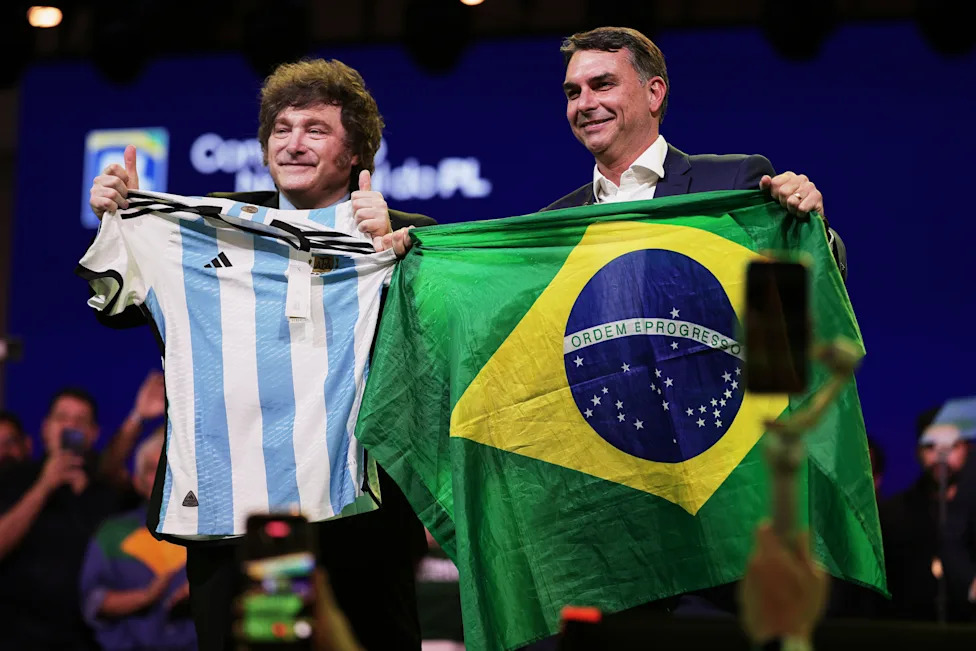
Brazilian Sen. Flavio Bolsonaro holds a Brazil national flag as Argentina's President Javier Milei holds an Argentina local selection jersey, during the Liberal Party convention where Bolsonaro was confirmed as the party's presidential candidate, in Sao Paulo, Saturday, July 25, 2026. (AP Photo/Ettore Chiereguini)(AP Photo/Ettore Chiereguini)
Honduras
Nasry Asfura, a National Party politician and former mayor, narrowly won the November presidential election by less than a percentage point. Asfura is from the same party as former President Juan Orlando Hernández, who was controversially pardoned by Trump for a drug-trafficking conviction. Asfura received public backing from the U.S. president; his administration has implemented an agreement with Washington that led to the return of dozens of deportees from third countries, many of them Guatemalan nationals.
Chile
José Antonio Kast, a conservative and devout Catholic, won Chile's December presidential election with about 58% of the vote. Campaigning on public-safety concerns, Kast pledged to expel migrants without residency permits and to strengthen border controls. One early action was extending a trench along the border with Peru and Bolivia aimed at curbing drug trafficking and irregular migration. His government has faced protests over rising unemployment and public-sector budget cuts.
Costa Rica
Laura Fernández, who served as economy minister under conservative ex-president Rodrigo Chaves, won the February election with 48% of the vote, avoiding a runoff. Fernández ran on a security-focused platform that included a proposed state of exception enabling some warrantless arrests and plans for a mega-prison modeled after El Salvador's CECOT. Her government has complied with a prior agreement with the U.S. that resulted in flights returning migrants from third countries; in June, one such flight included migrants from China, Vietnam, Colombia and Azerbaijan.
What This Means: The surge of conservative administrations across Latin America reflects voter frustration over crime, migration and economic stagnation. These leaders prioritize security and fiscal discipline, but their policies raise concerns about civil liberties, human rights and social impacts—especially for vulnerable groups and public-sector workers.
Follow AP’s ongoing coverage of Latin America for updates and analysis.
Help us improve.