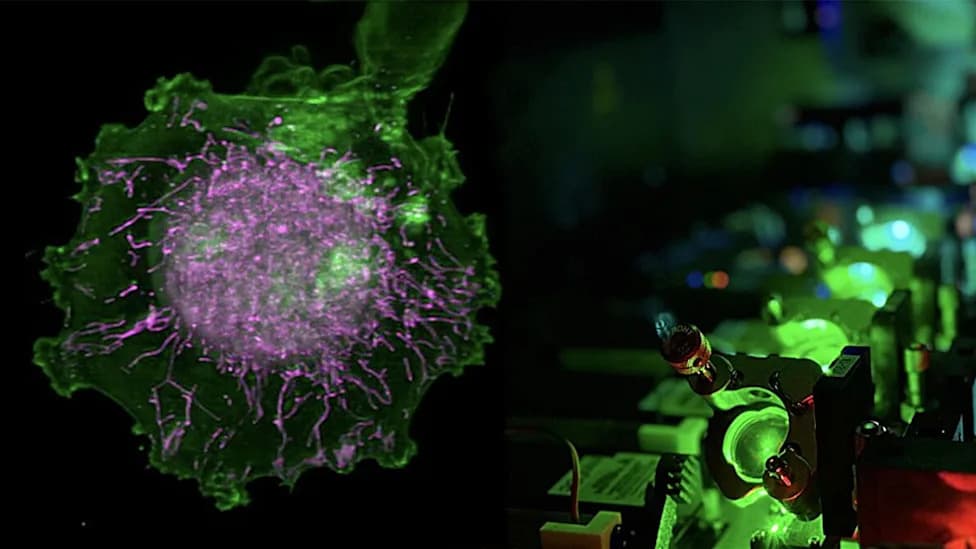
Researchers at the University of Minnesota have developed potato-derived constructs called SpudCells that can absorb nutrients and sometimes copy genetic material inside Petri dishes. Led by Dr. Kate Adamala, the work demonstrates that molecular components can reconstitute cell-like behaviors, though SpudCells are not fully living and struggle with accurate protein production and genome replication. Supporters say the platform could accelerate cell-growth research and reduce animal testing, while experts emphasize the need for further validation and ethical oversight.
Potato Power: 'SpudCells' Bring Synthetic Life One Step Closer

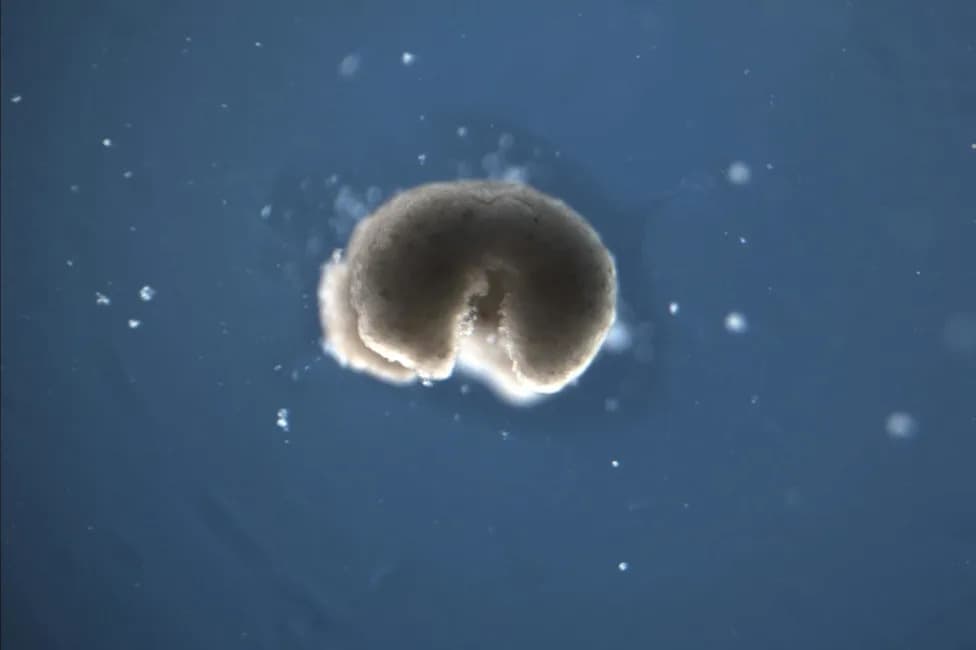
Researchers report a striking advance in synthetic biology: laboratory structures built from potato-derived molecules — nicknamed SpudCells — can take up nutrients and, in some cases, copy genetic material inside Petri dishes. The experiments, led by Dr. Kate Adamala at the University of Minnesota, are being hailed as a “proof of principle” that non-living components can reconstitute behaviors associated with living cells.
What the Researchers Did
The team extracts minute potato-based molecules and places them into an embryonic-like fluid containing chemical compounds that supply energy and mimic cellular conditions. These constructs assemble rudimentary ribosome-like components and begin building simple protein structures that can copy genetic sequences. In lab conditions the blobs can feed and sometimes proliferate, demonstrating primitive, cell-like processes.
Expert Reaction and Potential
"Proof of principle that molecules can reconstitute behaviors that up until now we only associated with natural living cells," — Dr. Kate Adamala.
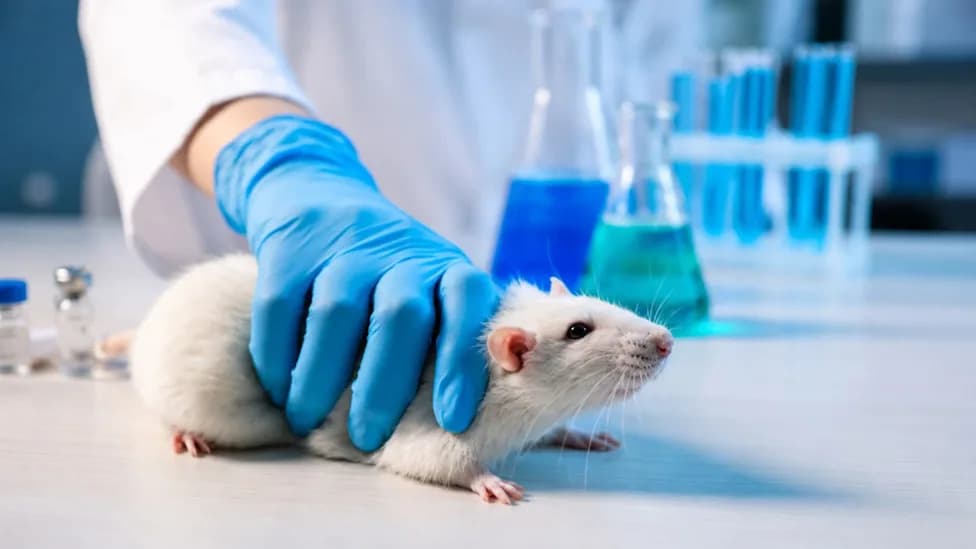
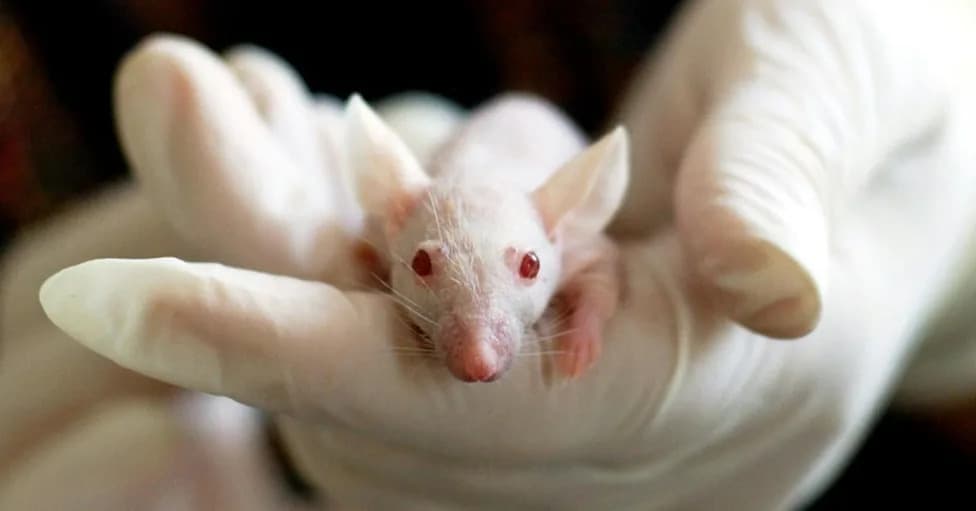
Supporters of the work, including Professor Tom Ellis of Imperial College London, call the results a major step toward understanding cell-cycle growth and accelerating drug discovery. Because SpudCells mimic some behaviors of human cells without being classified as fully living organisms, they could offer a safer, ethically preferable testing platform for early-stage experiments and help reduce animal testing in medicine and cosmetics research.
Limitations and Ongoing Research
Adamala herself cautions that SpudCells are far from becoming true living organisms. Their protein-synthesis machinery is rudimentary, and they often fail to replicate accurate DNA sequences across generations. The probability that they would stably transmit genetic information over multiple generations is currently very low. Nevertheless, labs at institutions including Stanford University and the University of Exeter have begun peer reviewing and using SpudCells in follow-up studies.

Ethics and Public Concerns
The experiments raise broader ethical and societal questions: how should researchers classify and treat lab-created entities that display life-like behaviors? Some commentary has turned to speculative scenarios, but scientists emphasize the immediate value lies in fundamental biology and safer test systems. The work underscores a balance between scientific opportunity and the need for clear ethical guidelines as synthetic biology advances.
Bottom line: SpudCells are an intriguing laboratory advance that model key cellular behaviors using potato-derived components, offering new experimental tools while remaining distant from true life. The research is promising but preliminary, and it has prompted both scientific interest and ethical debate.
Help us improve.