FDA Authorizes First mRNA Seasonal Flu Vaccine in the U.S. Moderna’s mRNA influenza vaccine, authorized after a trial of more than 40,000 adults, showed stronger protection in ages 50–64 and a comparable safety profile to standard-dose vaccines. The main advantage of mRNA is its speed and flexibility: the platform can be updated more quickly as flu viruses evolve and might enable future combination vaccines against flu, COVID-19 and RSV. Experts call this a significant milestone and a starting point — not a cure — in the ongoing effort to improve seasonal vaccination.
Why the Flu Shot Just Entered a New Era — And What That Means for You
Experts are urging people to hunt these species and eat them: 'It's important to know exactly what you're harvesting'
Most people won't notice anything different at their local pharmacy this fall. But behind that routine flu shot lies a potentially transformative change for how we fight influenza.
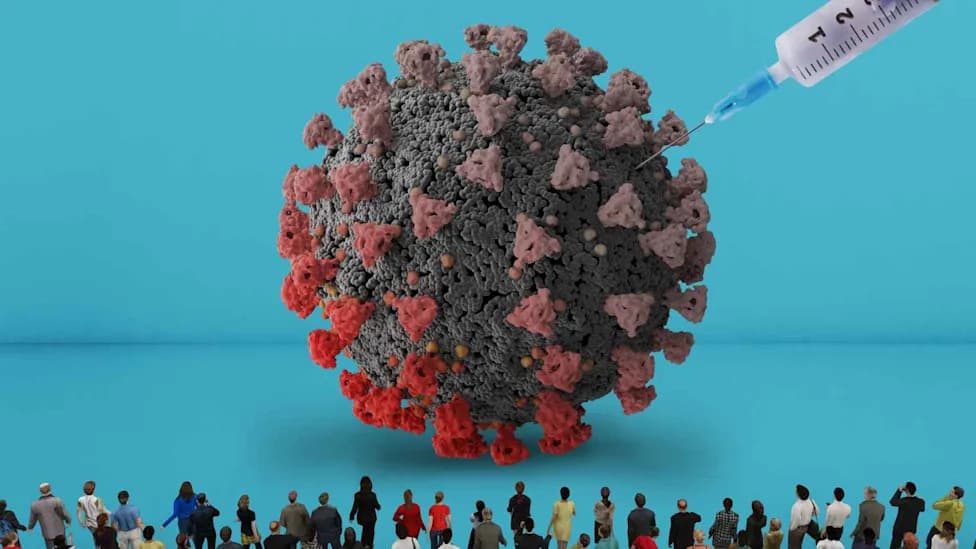
The U.S. Food and Drug Administration has authorized Moderna's mRNA-based seasonal influenza vaccine — the first licensed flu vaccine of its kind in the United States. To patients, the experience of getting a shot will feel the same. To researchers and public-health officials, the approval represents a major step toward faster, more flexible vaccine design that could reshape seasonal immunization strategies for years to come.
What Is Different About an mRNA Flu Vaccine?
Traditional flu vaccines typically use weakened or inactivated virus particles, or proteins produced in eggs or cell cultures. mRNA vaccines work differently: they deliver short-lived genetic instructions that tell cells to make a harmless piece of the virus (an antigen). That antigen trains the immune system to recognize and respond to the real virus if exposed later. The mRNA itself breaks down naturally after it does its job.
Why Speed and Flexibility Matter
Influenza viruses evolve constantly through small genetic changes, which is why scientists must predict the strains likely to circulate months before each season. Those predictions are usually accurate, but mismatches happen — sometimes significantly reducing vaccine effectiveness. Researchers are excited about mRNA because the same delivery platform can be quickly reprogrammed to match new viral strains, potentially shortening the time from strain selection to vaccine production.

Image Credit: Gorodenkoff via Shutterstock
What the Clinical Trial Showed
Moderna's vaccine was evaluated in a large international clinical trial that enrolled more than 40,000 adults. Reuters and regulatory filings report that, among adults ages 50–64, the mRNA vaccine demonstrated stronger protection than a standard-dose influenza vaccine while maintaining a comparable safety profile. Regulators reviewed the trial data on both effectiveness and safety before authorizing the vaccine for seasonal use.
Not a Cure-All — But a New Option
Experts emphasize that this authorization is a milestone, not a final solution. Influenza will keep evolving, and annual strain selection and surveillance remain essential. mRNA adds a powerful tool to the toolbox: a platform that could allow faster updates, support combination vaccines and accelerate responses to novel respiratory threats. But every proposed vaccine — including combination shots for flu, COVID-19 and RSV — must still pass rigorous clinical testing.
Bottom line: mRNA influenza vaccines could make seasonal shots more adaptable and faster to update, but they don’t eliminate the need for surveillance, testing, and continued research.
What This Could Mean For Future Vaccines
- Platform Consistency: Manufacturers can use a common delivery system and change only the genetic instructions to target different viruses.
- Faster Updates: Shorter development lead times may improve the chance of matching circulating strains.
- Combination Shots: mRNA may enable single vaccines that protect against multiple respiratory viruses, simplifying seasonal vaccination.
- Quicker Response To New Threats: The same technology could accelerate vaccine development if a new pathogen emerges.
All of these possibilities are promising but will require more trials, production scaling, and real-world monitoring.
What You Should Know This Season
For most people the routine remains unchanged: getting an annual flu shot remains one of the simplest and most effective ways to reduce your risk of severe influenza. If an mRNA flu vaccine is available to you, it represents an evidence-based option shown in trials to provide at least comparable protection and safety. Discussions with your healthcare provider can help you choose the best vaccine for your circumstances.
Image Credit: Gorodenkoff via Shutterstock
Help us improve.