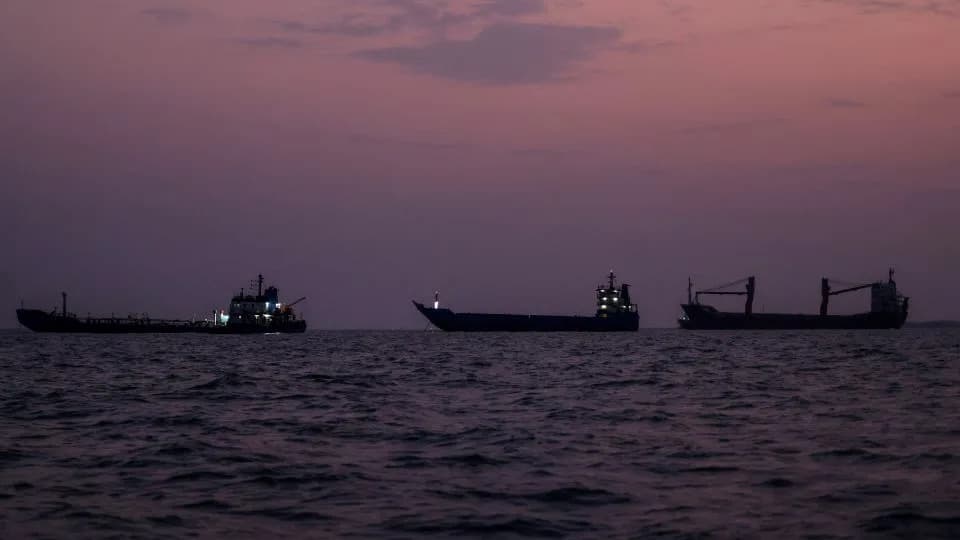
The Iran–Oman plan to define tanker routes through the Strait of Hormuz is a narrow, technical agreement that won’t on its own restart oil exports. Washington must approve any transit scheme and reconcile it with U.S. sanctions policy. Critics say the June MOU granted Iran an oil waiver that enabled about $6 billion in sales and weakened U.S. leverage. A Treasury‑controlled escrow is an alternative but faces political and oversight hurdles. With mixed signals from both capitals, oil prices are likely to stay volatile.
Sanctions, Shipping and Oil: Why an Iran–Oman Tanker Deal Won't Reopen the Spigot
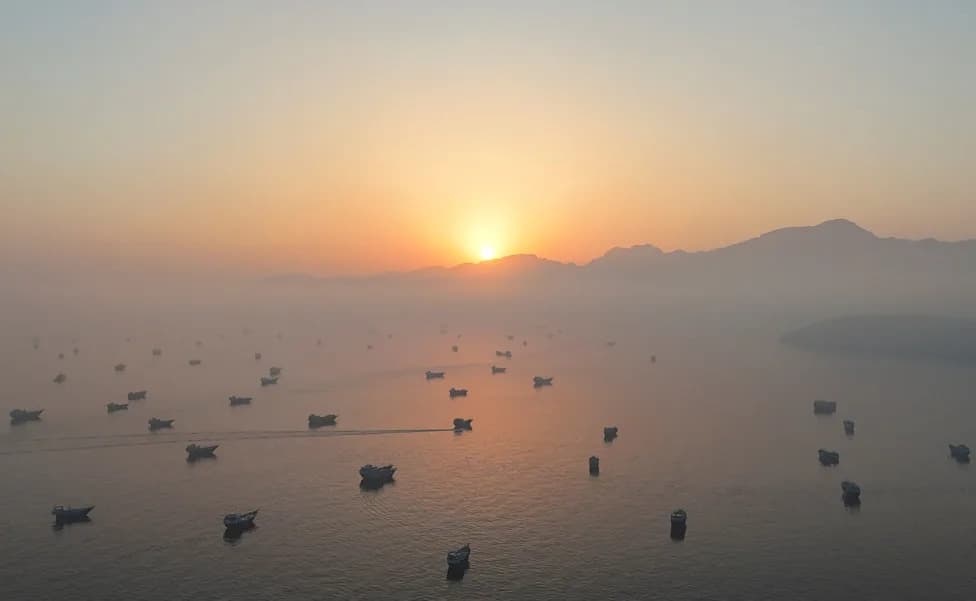
The US has a sanctions problem
The tentative Iran–Oman plan to map tanker corridors through the Strait of Hormuz is narrowly focused and does not by itself promise a quick return of oil flows. Any practical reopening depends on Washington’s approval — and on resolving deep problems in U.S. sanctions policy that the short-lived June memorandum of understanding (MOU) exposed.
What the Tehran–Muscat Agreement Would Do
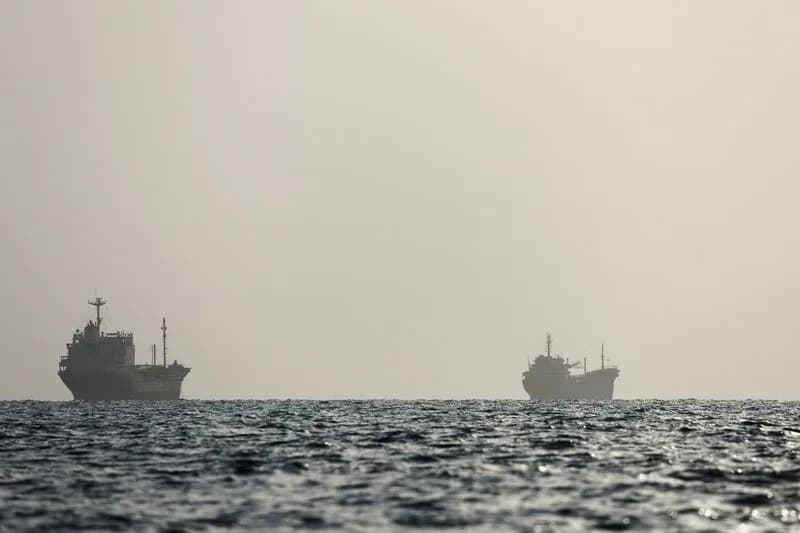
The expected agreement would likely specify which sea lanes tankers may use and the transit fees they must pay. It is a technical, transactional arrangement meant to reduce risks and clarify responsibilities for commercial shipping — not a political settlement that can substitute for U.S. consent.
Why Washington Holds the Key
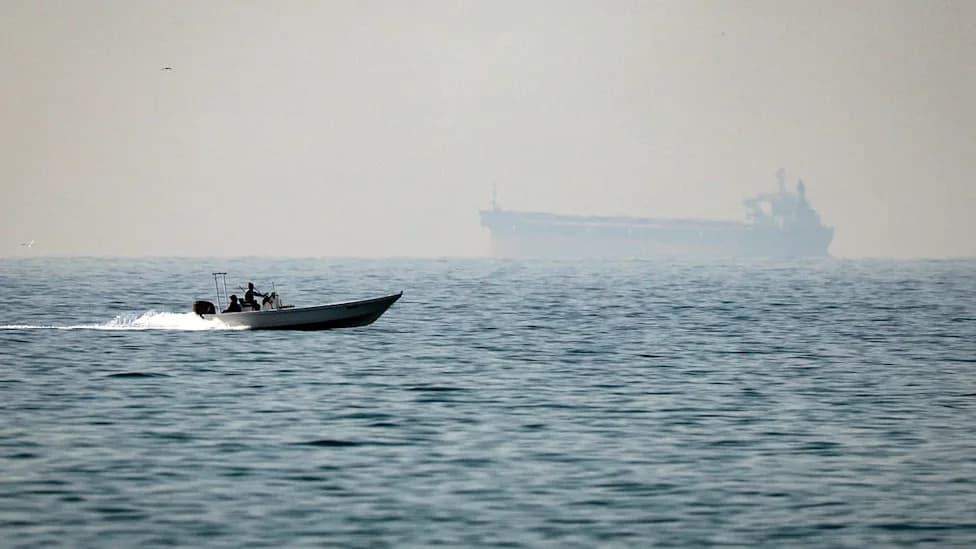
The United States has insisted on restoring the prewar norm of free navigation in the Gulf. For ships to resume routine transit without fear of interdiction or legal exposure, the administration in Washington must agree to any corridor arrangement and reconcile it with existing sanctions. That creates a political and legal hurdle: an agreement among Tehran, Muscat and commercial shippers is insufficient if U.S. policy still treats Iranian oil and related activity as sanctioned.
Flaws in the June MOU
The June MOU surprised many sanctions experts by appearing to give Tehran significant concessions for limited reciprocation. It promised no new sanctions during its term, granted a waiver on Iran's oil exports and envisaged lifting sanctions after a broader nuclear deal. But lifting all sanctions would likely require congressional action — a difficult prospect — and the MOU had immediate tactical effects.
Miad Maleki, a senior fellow at the Foundation for Defense of Democracies and a former Treasury sanctions official, called the document "a memorandum of confusion and misunderstanding," adding that "it was drafted for failure, not for success."
Most consequentially, the MOU allowed Iranian shipping to monetize roughly $6 billion in oil quickly, much of which was reportedly exchanged for civilian and dual‑use equipment from China. It also enabled Tehran to clear oil held in floating storage, freeing space for renewed production once sanctions or blockades resumed. Critics argue these outcomes reduced U.S. leverage in later nuclear negotiations and emboldened Iran to resume attacks on vessels in the strait.
An Alternative: Treasury‑Controlled Escrow
A different model — used in past talks with Venezuela — routes oil revenue into a Treasury‑controlled escrow account that limits how funds are spent (for example, on food and humanitarian imports). That approach can preserve leverage while easing humanitarian pressure, but it is politically fraught: lawmakers demand oversight, and some Democrats have pressed investigations into where billions in proceeds have gone in other cases (a sum roughly cited at $13 billion in recent reporting).
Outlook
With mixed and sometimes contradictory signals coming from Washington and Tehran about whether direct talks are underway, and with no clarity on the terms of any follow‑up MOU, oil markets are likely to remain volatile. Energy companies are lobbying hard in Washington amid complaints from President Donald Trump that producers are "making too much money" from recent price spikes — a sign of the political pressure surrounding any policy adjustment.
Bottom line: The Iran–Oman corridor plan is a limited technical fix. Restoring meaningful oil flows and stable navigation will require a politically sustainable U.S. solution to the sanctions dilemma — and that remains unresolved.
Help us improve.