Andrea Nicole Doherty, 38, pleaded guilty to three counts of wire fraud connected to her Fallbrook classic-Porsche business, CPR Classic, and was sentenced on July 24, 2026, to 21 months in federal prison. Prosecutors say she pocketed more than $827,000 and was ordered to pay $9,951,763.04 in restitution to 66 victims. Investigations, lawsuits and online reviews dating back to 2024 detailed unpaid consignors, duplicate sales, forged signatures and title problems, with alleged losses exceeding $11.7 million in San Diego County.
Former Fallbrook Porsche Dealer Sentenced, Ordered To Pay Nearly $10 Million After Consignment Fraud
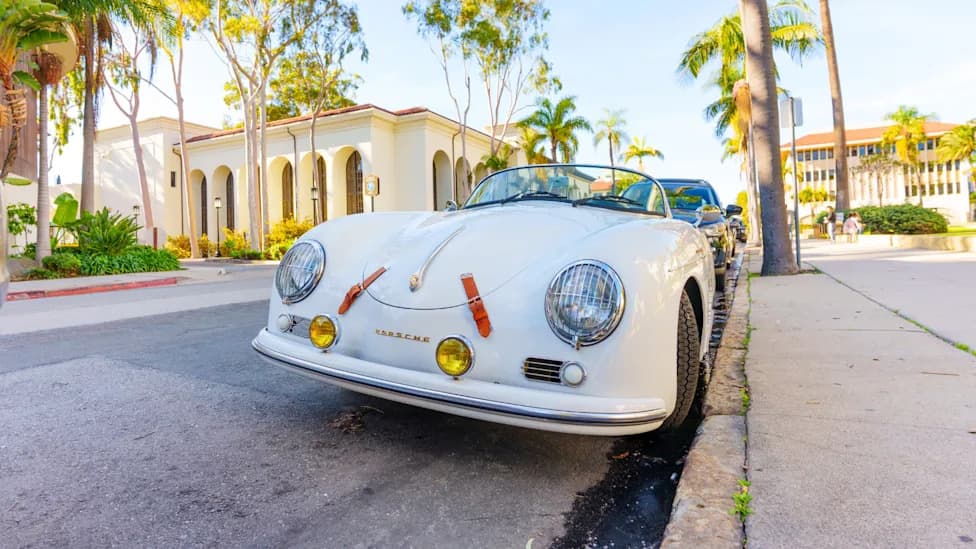
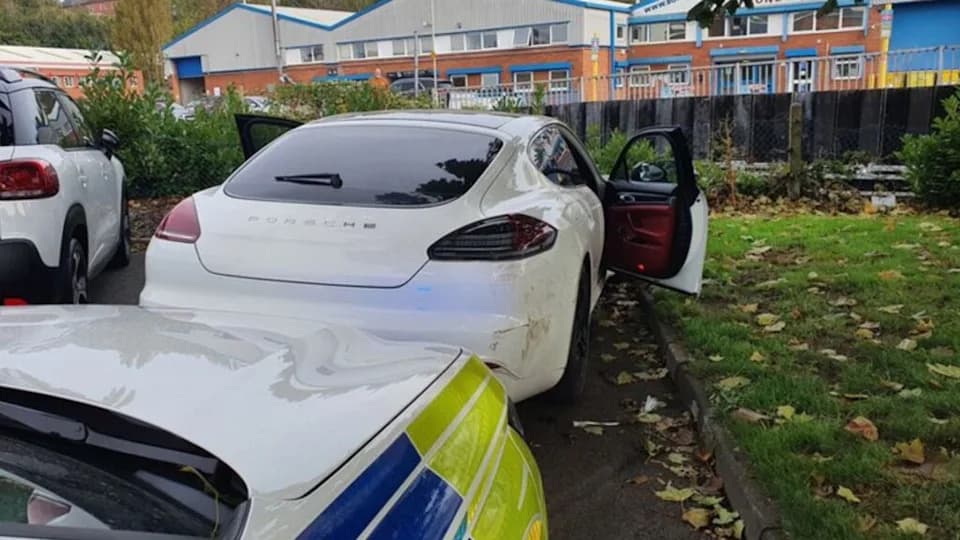
File Photo. Image Credit: Chizhevskaya Ekaterina / Shutterstock
A Fallbrook, California business owner who ran a classic Porsche restoration and consignment operation has been sentenced to federal prison after admitting to a scheme that left dozens of customers seeking restitution.
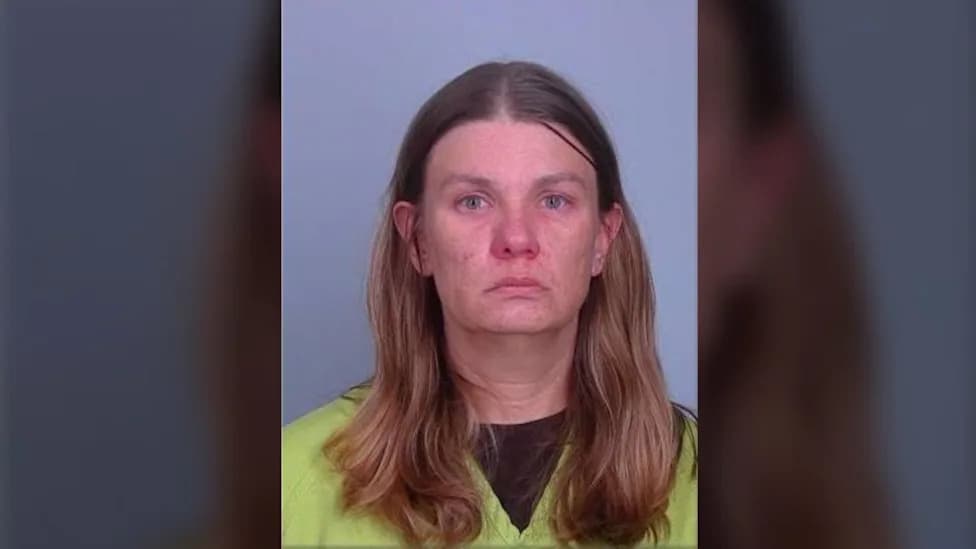
Andrea Nicole Doherty, 38, was sentenced on July 24, 2026, to 21 months in federal prison after pleading guilty to three counts of wire fraud tied to her former company, CPR Classic, the U.S. Attorney’s Office for the Southern District of California said. Prosecutors said Doherty admitted to pocketing more than $827,000 through multiple classic-Porsche transactions.
Allegations and Notable Transactions
CPR Classic operated as a California-licensed used-vehicle dealership specializing in restoration, consignment and resale of classic Porsches. At sentencing, U.S. District Judge Andrew G. Schopler ordered Doherty to pay $9,951,763.04 in restitution to 66 people, a group that extends beyond the victims tied directly to the three wire-fraud counts.
Prosecutors described several problematic transactions that illustrate the alleged scheme:
- 1973 Porsche 911E Targa: Allegedly sold to two different buyers after taking payment from both, while failing to pay the vehicle’s owner. The owner later transferred title after receiving a check that prosecutors say subsequently bounced.
- 1972 Porsche 911S: A buyer wired $280,000 in February 2023 and received the car but not the title; months later the same car was sold again for $275,000. Part of the second payment was then used to pay the original owner, who transferred title without knowing the vehicle had already been sold.
- 1983 Porsche 930 Turbo Slantnose: Doherty admitted selling a consigned vehicle for $130,000 without notifying or paying the owner and forging the seller’s signature on title-transfer paperwork, prosecutors said.
Complaints, Investigation And License Action
Complaints against CPR Classic had been accumulating for more than a year before federal charges were filed. In September 2024, an NBC 7 Responds investigation cataloged dozens of lawsuits alleging unpaid consignors, undelivered vehicles and missing titles, calculating alleged losses of more than $11.7 million across San Diego County cases alone.
Public Google reviews reflected similar grievances: customers reported paying for cars they never received, consignors said they were not paid, and multiple posts cited title problems, delayed payments and repeated assurances that funds were forthcoming. The California Department of Motor Vehicles later suspended CPR Classic’s dealer license in September 2024, and the business ceased operating soon after.
What Buyers And Sellers Should Learn
Collector-car transactions often involve six-figure sums and significant trust, especially on consignment. The CPR Classic case underscores common safeguards buyers and sellers should use to reduce risk:
- Verify who holds the vehicle title before transferring funds.
- Confirm a dealer’s license status and search court records for complaints.
- Read recent customer reviews but treat them as one data point among many.
- Use escrow services or other protections that hold funds until the buyer receives the vehicle and proper documentation.
None of these steps guarantee a problem-free transaction, but they can help reveal red flags before a large wire transfer is sent or a valuable collector car is handed over to a third party. For the 66 people named in the restitution order, those precautions came too late; whether they will recover the nearly $10 million collectively owed remains uncertain.
Note: This article is based on federal court filings and local investigations. Civil complaints and online reviews alone are not proof of criminal conduct, but the pattern of allegations paralleled the charges prosecutors later pursued.
Help us improve.