Sir Sadiq Khan, ten years into his mayoralty, is pressing ahead with new projects — including a £150m Oxford Street pedestrianisation and a 10‑year river cleanup — while defending contentious policies such as Ulez and low‑traffic neighbourhoods. He argues for genuine devolution of power from Whitehall, highlights London's disproportionate tax contribution, and acknowledges the gap between falling crime statistics and public perception of safety. Khan also reflects on faith after completing Hajj, warns that Muslims are being made to feel like "second‑class citizens," and is weighing a fourth‑term run ahead of 2028.
Sadiq Khan: British Muslims 'Are Being Made To Feel Like Second‑Class Citizens' — On Ulez, Devolution, Hajj and a Possible Fourth Term
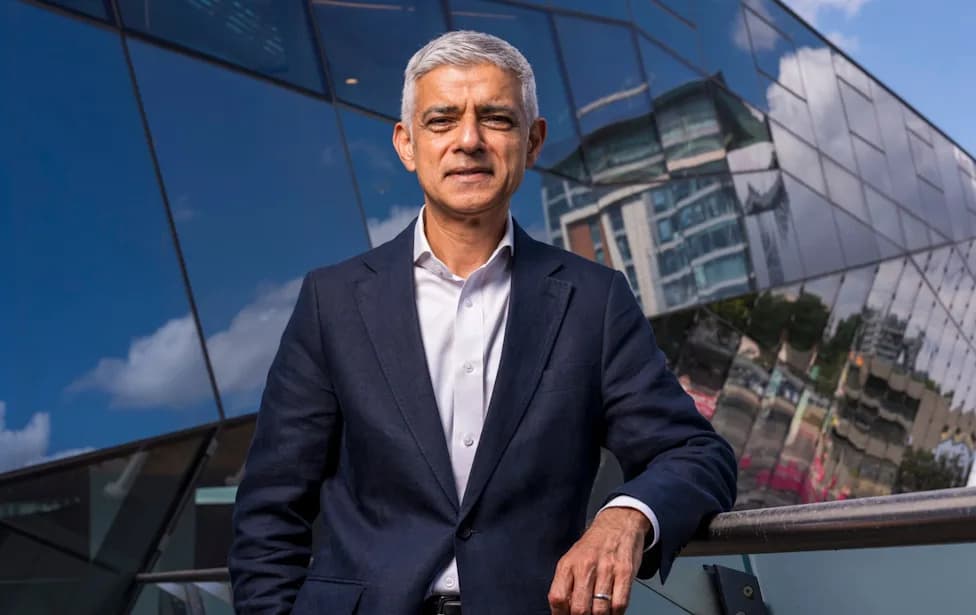
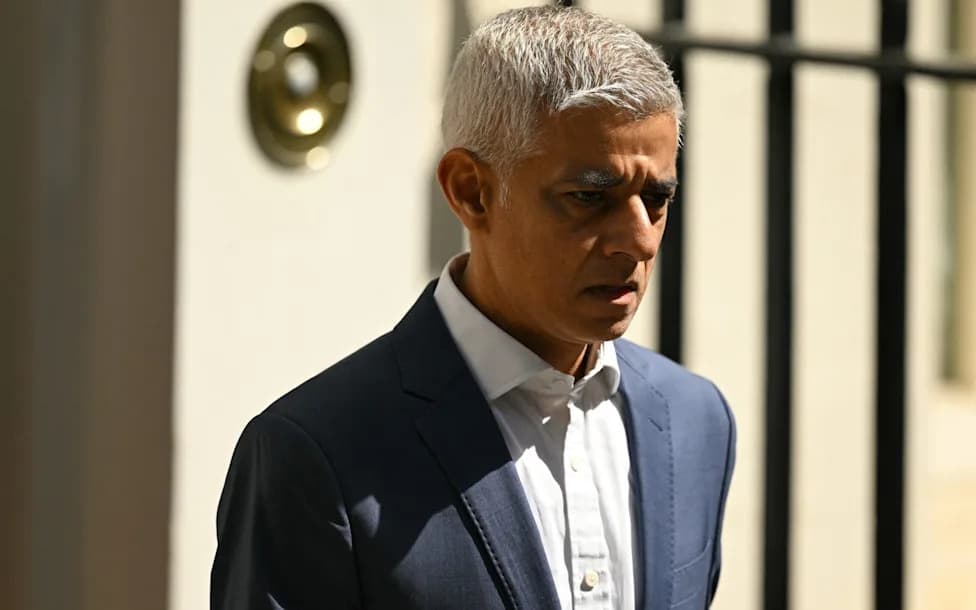
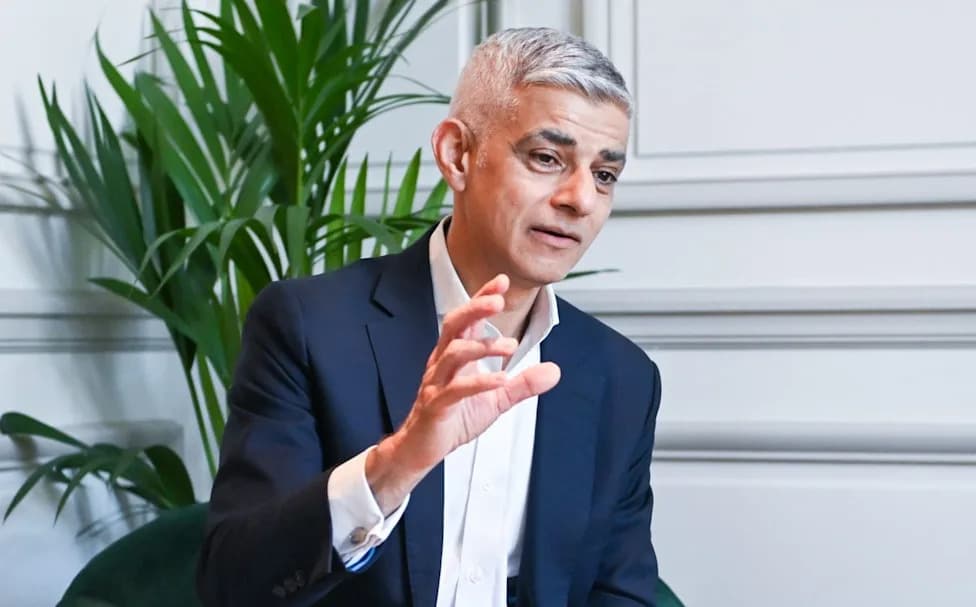
Sadiq Khan says 'London is fairer, safer, greener and more prosperous' than before he became mayor - Andrew Crowley for The Telegraph
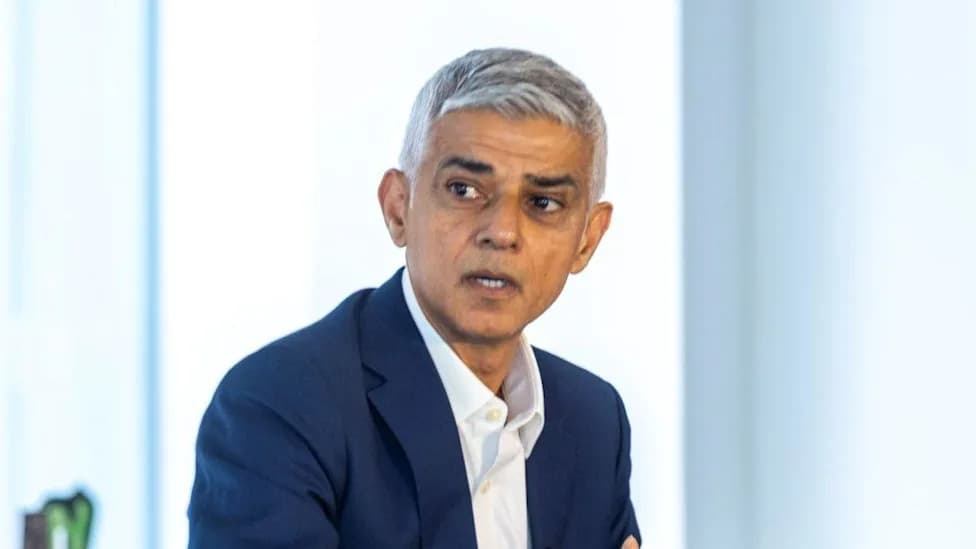
Sir Sadiq Khan greets visitors in his City Hall office purposeful and immaculately presented: 5ft 5in, navy-blue suit, greying hair and a measured cordiality that matches his decade in the mayoral chair. Now halfway through a third term and widely expected to contest a fourth, Khan is still rolling out new initiatives while defending controversial decisions that have defined his tenure.
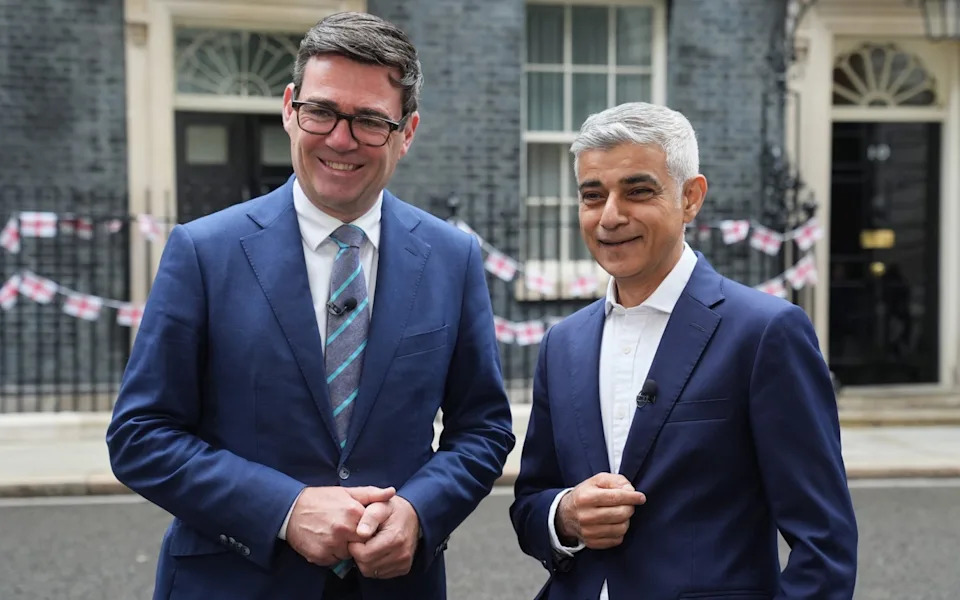
Andy Burnham and Sir Sadiq Khan pictured outside Downing Street on July 9, 2024, as part of a meeting between then-PM Starmer and regional mayors - Lucy North/PA Wire
Projects and Priorities
Among his latest announcements are a £150m plan to pedestrianise Oxford Street, beginning in September, and a 10-year programme to restore and clean London’s rivers and waterways. He says relocating City Hall has saved the mayoralty about £16m over five years and helped catalyse local investment; outside the building he points to watersports facilities and a small roped-off swim area for children from nearby estates.
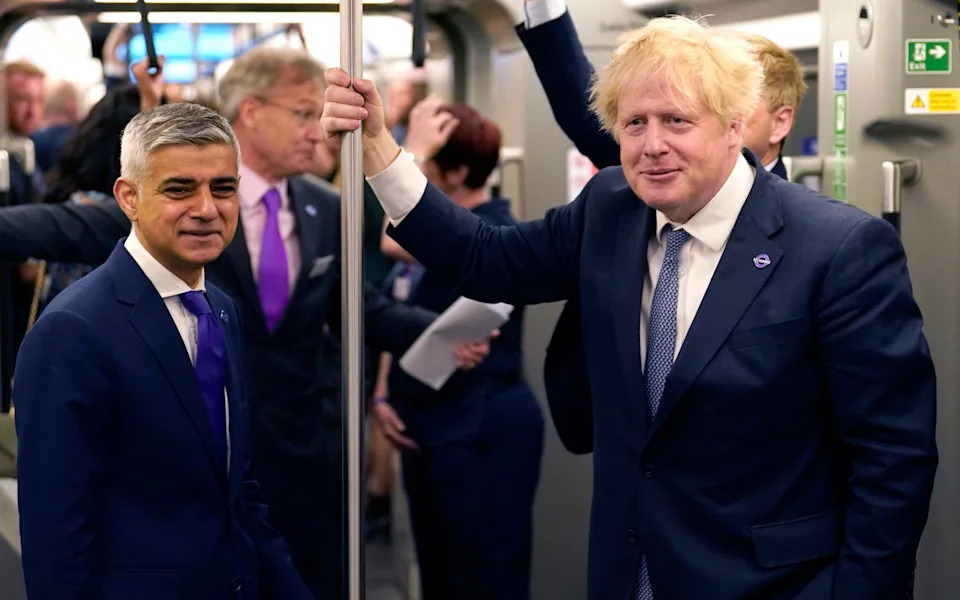
As a former London mayor, Boris Johnson should have 'done better' on devolution, says Sir Sadiq (pictured together in 2022) - Andrew Matthews/WPA Pool/Getty
Devolution And Distribution Of Power
Khan is a vocal advocate of meaningful devolution. He challenges the slogan "take back control," asking whether powers are merely moving from Brussels to Whitehall or genuinely being dispersed across the country. He notes London currently contributes around four in every ten pounds raised in UK taxes and argues that real devolution should not mean dragging the capital down to boost other regions.
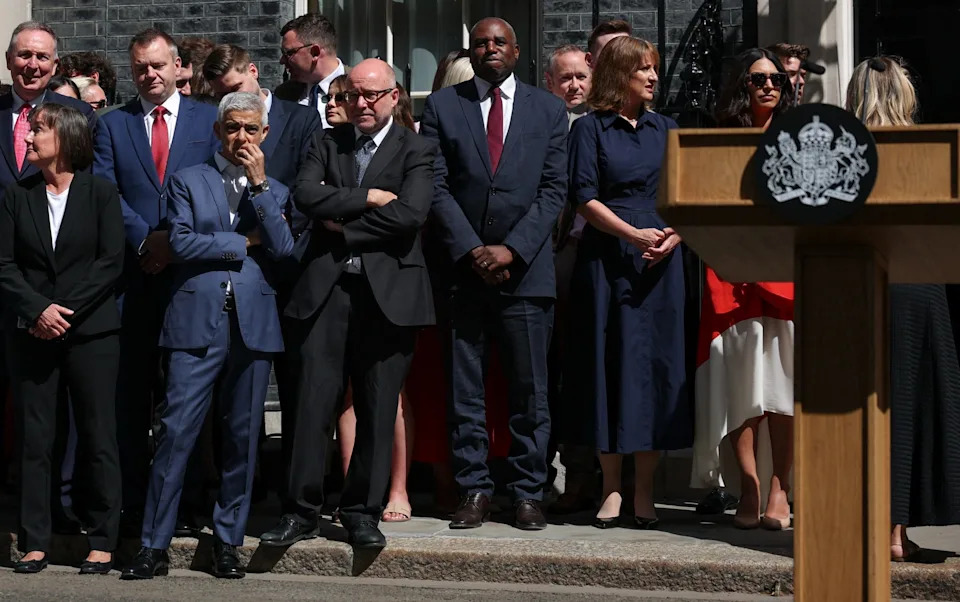
Sir Sadiq admits that Rachel Reeves presented 'challenges' as chancellor (both are pictured waiting for Starmer's final speech as PM) - Isabel Infantes/Reuters
Air Quality, Ulez And Low‑Traffic Neighbourhoods
He defends the expansion of the Ultra Low Emission Zone (Ulez) — first extended in 2021 to the area within the North and South Circular, then to the whole of Greater London in 2023 — arguing that the benefits to public health outweigh the political costs. Khan cites personal motivation (he was diagnosed with adult‑onset asthma in 2014) and warns that nitrogen dioxide and fine particulates are a "silent killer." He accepts some low‑traffic neighbourhoods were rolled out poorly by local councils, while maintaining the policies have improved air quality overall.
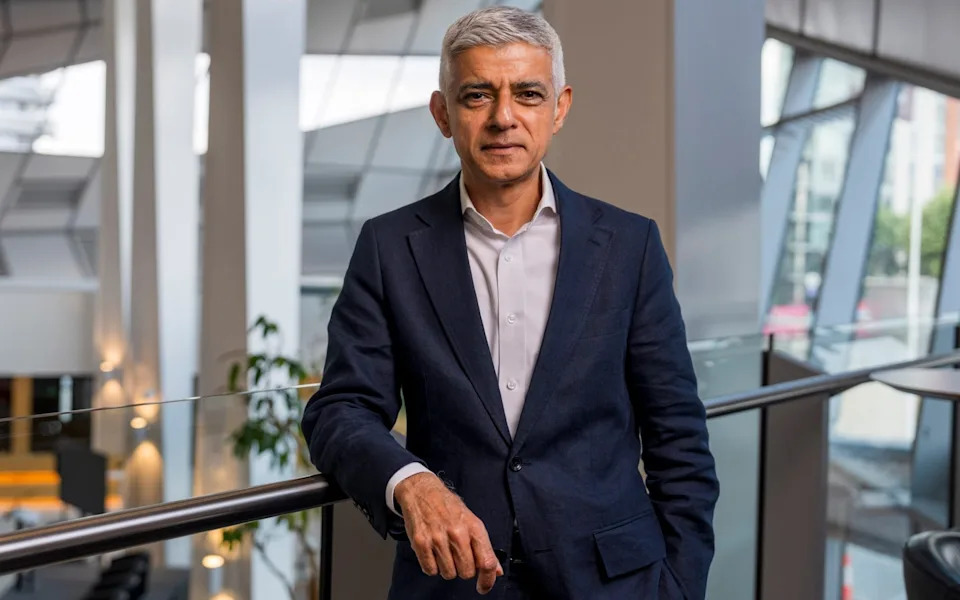
On Ulez, Sir Sadiq says: 'The silent majority was with me' - Andrew Crowley
Crime, Perception And Policing
While Khan points to statistics showing lower homicide rates and fewer recorded crimes in the past year, he acknowledges a gap between data and public perception. "Perception is reality," he says, conceding that visible problems — street drug use, shoplifting and high‑profile robberies — damage Londoners' sense of safety. He attributes part of the policing challenge to budget cuts since 2010 but takes credit for progress his administration has delivered.
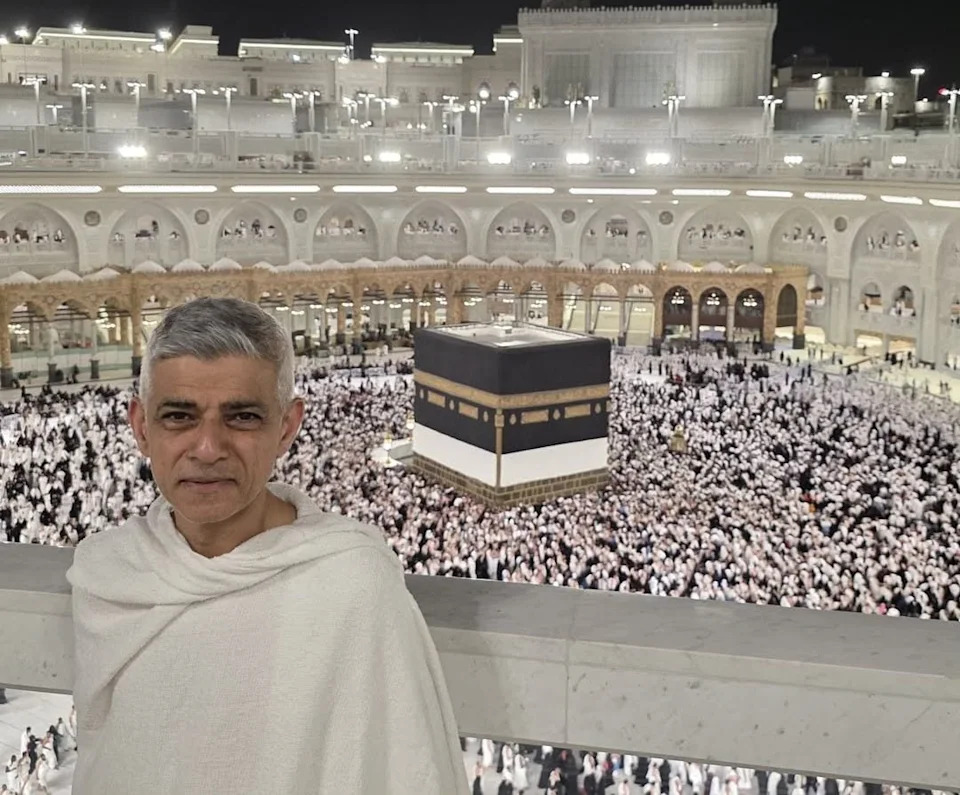
'Outside London, Mecca is probably the most diverse place in the world,' says Sir Sadiq, who completed Hajj in May - Sadiq Khan/Instagram
Faith, Identity And Public Life
Khan speaks frankly about his Muslim faith and recent completion of the Hajj pilgrimage, which he calls "profoundly life‑changing." He described the pilgrimage as humbling and said it helped him reset priorities. Khan is critical of attempts to politicise public faith events, such as an open‑air iftar in Trafalgar Square, and warns that rhetoric portraying Muslims as outsiders risks making them feel like "second‑class citizens" and fuels polarisation.
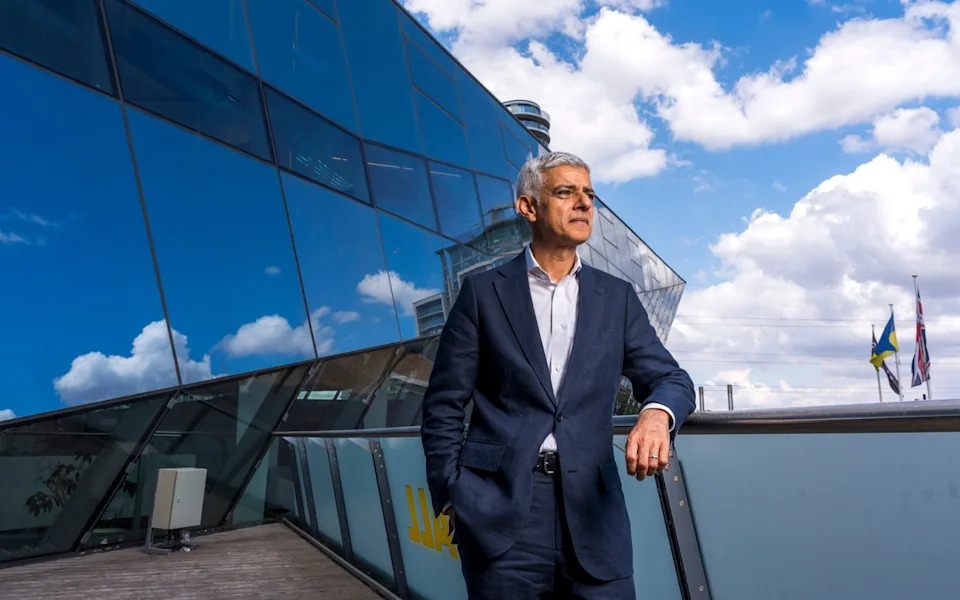
'At the moment, when it comes to the hierarchy of people who are trodden upon, Muslims are at the bottom' - Andrew Crowley
Security, Resilience And Reputation
Threats against him have led to round‑the‑clock protection—an ironic burden for an elected official who values accessibility. He notes the brutal killings of MPs Jo Cox and David Amess among examples of heightened danger for public servants. Khan also remains a frequent target of online abuse and high‑profile critics.
Legacy And What's Next
Khan says he is considering whether to run for a fourth term in 2028. He describes himself as "fizzing with ideas," but also asks whether a single leader should hold the office for 16 years. He has indicated he plans to accept a peerage and has joked that his territorial designation in the House of Lords would be "Tooting," underscoring his working‑class roots and the narrative of social mobility he often invokes.
Bottom line: Khan presents himself as a pragmatic, resilient mayor who is proud of his record on air quality, urban improvement and social mobility — while admitting the political cost and public perception challenges that have accompanied those wins.
Help us improve.