The Farmers Union Ditch Company signed a 25-year agreement in 2024 allowing the Eagle Sewer District to deliver Class A treated wastewater into canals that irrigate about 8,500 acres. After shareholders said they were not informed, a large turnout at the January meeting removed nearly the entire board. Residents raised concerns about PFAS, pharmaceuticals, property values and irrigation limits, while the sewer district says the plan would conserve water and includes a $20 million filtration upgrade. The Eagle City Council has authorized a community advisory board to give residents a formal voice.
Idaho Shareholders Oust Canal Board After Secret 25-Year Wastewater Deal Sparks Outcry
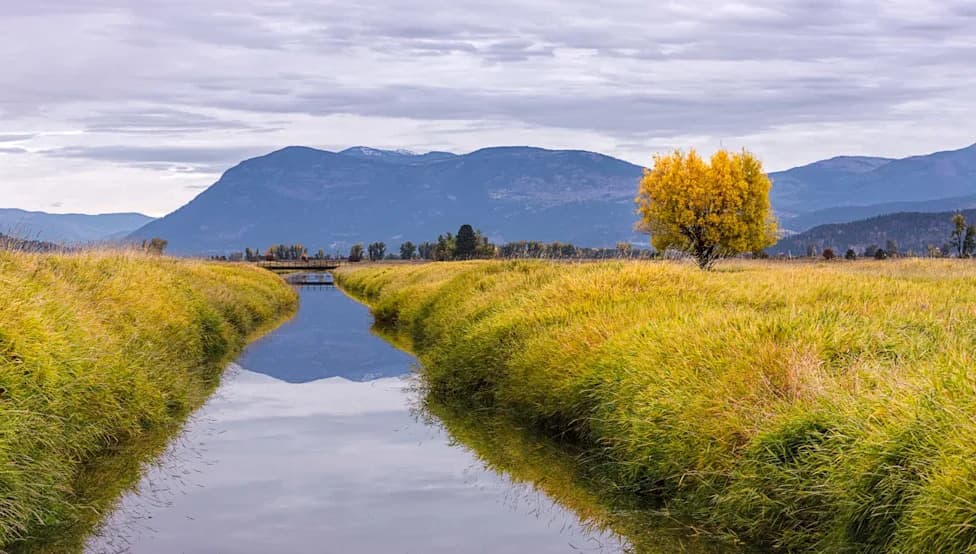
Photo Credit: iStock
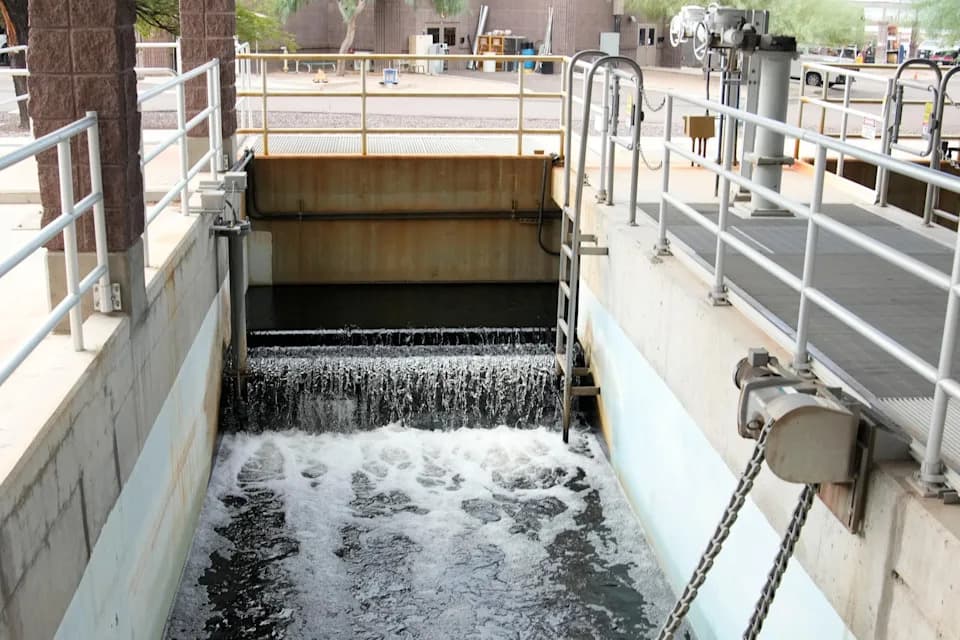
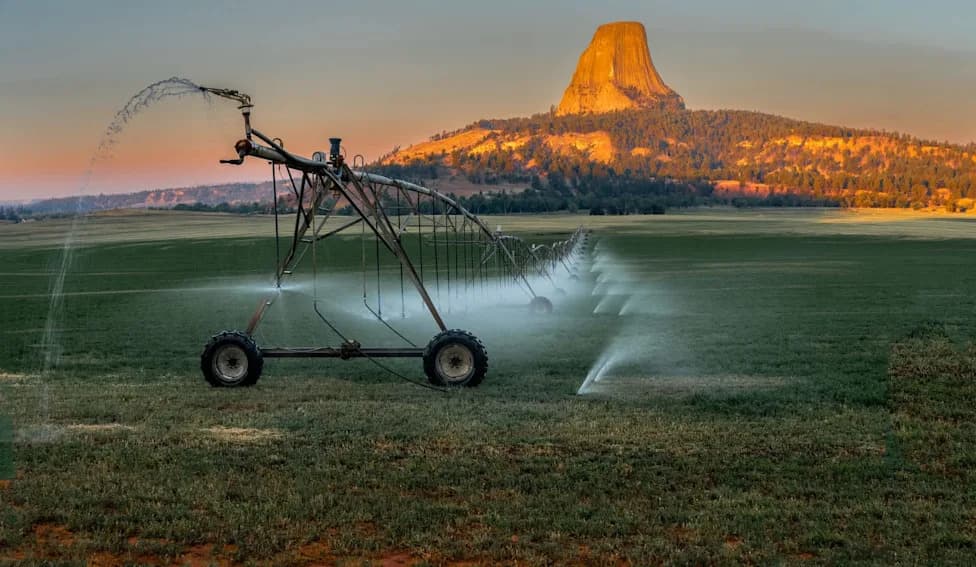
In 2024 the Farmers Union Ditch Company signed a 25-year agreement that would allow the Eagle Sewer District to route treated wastewater through the privately owned canal network that irrigates roughly 8,500 acres of Ada County land.
When many shareholders learned of the pact, they mobilized. At the association's January annual meeting a large turnout created a quorum for the first time in more than 40 years, and nearly the entire board was voted out — all but one member who had supported the deal.
"I think there was a large contingency of shareholders who felt that they should have been informed, and that resulted in four board members being replaced," said newly elected Farmers Union board member Jacob Zwygart. "So I think that the result speaks for itself."
Under an October 2024 agreement reported by the Idaho Statesman, the Eagle Sewer District could begin delivering treated (Class A) recycled water into the canal system as soon as 2029. Idaho regulators classify Class A treated wastewater as acceptable for irrigation of parks, lawns and farmland.
Despite the regulatory designation, many landowners raised concerns about health, property values and limits on how they might irrigate their land. Residents have pointed to PFAS — so-called "forever chemicals" — and pharmaceuticals among the contaminants of emerging concern in recycled water discussions.
Sondra Miller, a former engineer with the Idaho Department of Environmental Quality and now an associate professor at Boise State University, told the Idaho Statesman: "These types of chemicals are still everywhere and can be difficult to monitor and control."
At a June 29 town hall, shareholder Katen Whitaker rejected suggestions that individual end users could simply opt out of taking recycled supply.
"That is not the case," Whitaker said. "The people have spoken, but we are being ignored for the sake of profit."
The Eagle Sewer District says the project is intended to address rapid population growth and drought-related pressures by conserving water. Officials estimate recycled water would comprise only about 7% of the canal system's supply and say the plan includes a $20 million filtration upgrade, with operating costs expected to decline over time.
Neil Jenkins, general manager of the Eagle Sewer District, said the utility currently treats about 2.8 million gallons per day and expects demand to rise sharply as population grows. Jenkins also noted that district representatives attended six Farmers Union board meetings and led more than 20 public engagement events between 2023 and 2025.
Following the June 29 town hall, the Eagle City Council approved formation of a community advisory board to ensure residents have an ongoing voice in discussions about the plan.
"We're not talking about Evian coming out of your faucet, we just want clean water," resident Frank D'Agostino said at the town hall.
With a new Farmers Union board now in place and a community advisory board on the way, stakeholders face a timeline of additional meetings and technical reviews before any recycled water flows through the canals. The debate highlights the tensions between water conservation goals and local landowner concerns about health, property impacts and governance.
Help us improve.