The federal court voided Johnston's attempted condemnation of a 31-acre parcel slated for a 252-unit affordable housing complex, ruling the town failed to follow required eminent domain procedures. The project, proposed by the Santoro and Compagnone families under Rhode Island's 2023 density law, was filed in October 2024. U.S. District Judge Melissa R. DuBose's July 28, 2025 decision resolved one of six claims in the lawsuit and could limit local tactics used to block state-favored housing, though further litigation remains.
Federal Judge Voids Johnston Land Seizure, Restores 252-Unit Affordable Housing Plan

Photo Credit: iStock
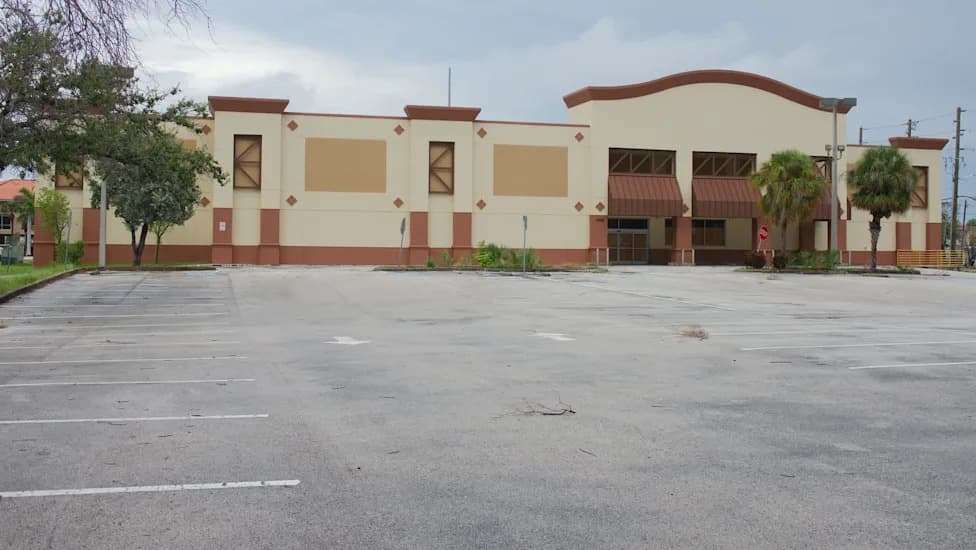
A 252-unit affordable housing project in Johnston, Rhode Island, is back on firmer legal footing after a federal judge ruled the town's attempt to seize the development site was invalid. The decision is a notable win for the Santoro and Compagnone families and could limit tactics some municipalities use to block developments that state housing law favors.
What the Court Decided
On July 28, 2025, U.S. District Judge Melissa R. DuBose found that Johnston's condemnation of the 31-acre parcel on George Waterman Road was "void from its inception" because the town failed to follow the procedural requirements required to exercise eminent domain. The court did not rule that a municipality may never use eminent domain; rather, it held that the town did not comply with the law's prescribed process.
"When a municipality elects to invoke the power of eminent domain, it must proceed in the manner prescribed by law, and the Town did not do so here." — Judge Melissa R. DuBose
Project And Legal Context
The 31-acre parcel is owned by members of the Santoro and Compagnone families. They filed a plan in October 2024 for a five-building complex with 252 apartments subject to income-based affordability restrictions, under Rhode Island's 2023 density law. That statute allows up to 12 units per acre on sewer-served land when all units carry legally enforceable affordability restrictions and narrows local grounds for denying projects in communities with less than 10% affordable housing; Johnston's share is about 7.9%.
Johnston approved the taking in January 2025, saying the parcel was needed for a municipal campus, after Mayor Joseph Polisena Jr. publicly opposed the apartment plan. The town council voted again on March 10, 2025, after the state Attorney General's office found the earlier action violated the Open Meetings Act.
Procedural Errors And Immediate Effects
Before the July ruling, a temporary restraining order had already restored the site to the families because Johnston recorded documents placing title in the town's name without giving notice to the property owners or their attorneys. DuBose's ruling addressed those procedural errors and invalidated the recorded condemnation.
What Remains Unresolved
The judge resolved one of six claims in the federal lawsuit filed in March 2025; additional claims remain pending. The ruling leaves open further litigation, discovery, and depositions that could shape the project's ultimate fate.
Implications
The case underscores two broader points: first, that municipalities must follow strict procedures when exercising eminent domain; and second, that state-level housing laws aimed at increasing affordable units can limit some local tactics to block developments. Advocates say delays or blocks to such projects reduce options for renters and first-time buyers and push housing costs higher in an already tight Rhode Island market.
Town officials have indicated they may pursue the property again using a different, legally compliant process. Mayor Polisena said the town intends to "follow the Court's guidance regarding the proper procedure moving forward." Developers and advocates say they will press forward under the density law while monitoring the remaining litigation.
Help us improve.