Dawn Robinson is fighting Middle Township's effort to use eminent domain to acquire a 2.4-acre Whitesboro lot for the 340-home Indian Trail Redevelopment tied to NVR Inc. A July New Jersey Supreme Court ruling (Jackson Township v. Getzel Bee) bolstered her claim that municipalities cannot condemn land solely to hand it to private developers. Supporters, preservation groups and State Sen. Britnee Timberlake have backed legal defense efforts; mediation failed and the case returns to Atlantic County Superior Court on Nov. 12. Robinson's fight spotlights redevelopment pressures on historically Black communities and broader questions about property rights and compensation.
Whitesboro Homeowner Battles Eminent Domain as Township Eyes Land for 340-Home Development
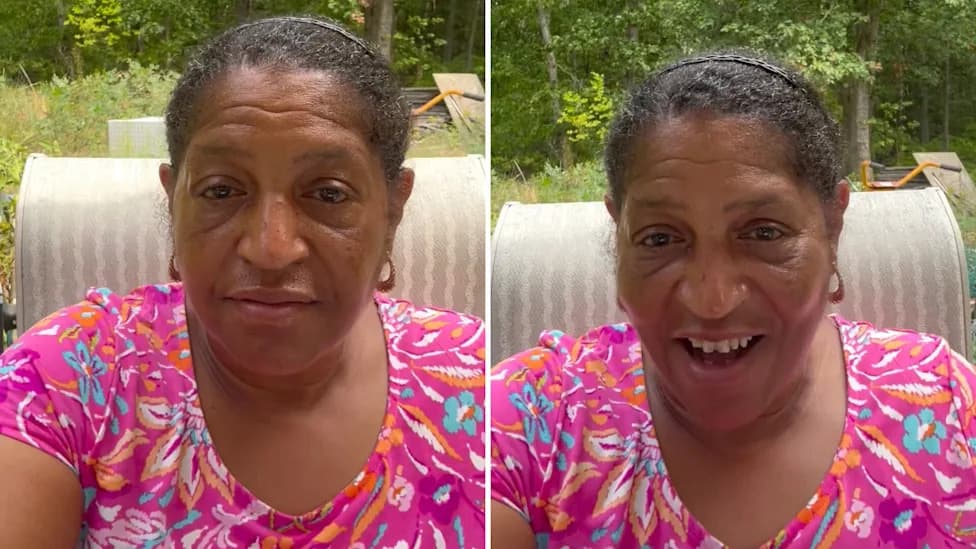
Photo Credit: Facebook
Dawn Robinson, a South Jersey homeowner, has drawn growing support as she challenges Middle Township's attempt to use eminent domain to take a 2.4-acre parcel in Whitesboro that she says she purchased for her family's future.
The township is pursuing the property for the Indian Trail Redevelopment project, a proposal to add 340 homes through NVR Inc., the parent company of Ryan Homes. Township leaders, including Mayor Christopher Leusner, have promoted the plan as an economic boost that would generate millions in tax revenue and create "a vibrant residential community."
Robinson's Legal Challenge
Robinson argues that municipal officials lack the lawful authority to condemn private property simply to transfer it to a private developer. Her position was strengthened in July when the New Jersey Supreme Court issued a unanimous ruling in Jackson Township v. Getzel Bee, finding municipalities cannot use eminent domain to take private land solely for a developer's benefit. The ruling has become an important legal backdrop to her case.
Local Support and Advocacy
Support for Robinson has come from neighbors, preservation advocates and elected officials. More than 40 supporters rallied outside attorney James Maley Jr.'s office. State Sen. Britnee Timberlake sought a $200,000 appropriation to support the Whitesboro Historic Preservation Project's legal defense fund, calling the effort a safeguard for communities threatened by eminent domain.
“Over the years I've learned how land gets taken away and people of color are denied generational wealth,” said Mary Ann Degenhart, cofounder of the nonprofit Embracing Race — The Conversation, speaking about Robinson's fight.
History and Property Details
Whitesboro, founded in 1901 in Cape May County, is a historically Black community established by residents seeking refuge from racial discrimination. Robinson bought the 2.4-acre lot roughly 23 years ago for about $40,000 and rejected an offer of $47,000, saying it does not reflect the rise in New Jersey land values since her purchase.
Part of Whitesboro designated for the development was rezoned for denser residential use—an action that allows more homes on smaller lots and, according to a 2020 New Jersey Supreme Court decision, can substantially increase market value. That dynamic is central to disputes over just compensation and whether takings are justified.
Fundraising, Mediation and Next Steps
In August, the cofounders of Truth and Record launched a website to publicize Robinson's case and raise funds for legal defense. The campaign helped Robinson retain attorney Jeffrey Brennan prior to a mediation session, but mediation did not yield a settlement. Robinson's case is scheduled to return to Atlantic County Superior Court on Nov. 12.
Broader Context
Robinson's fight highlights a larger question about what happens when outside interests push redevelopment in historically marginalized communities. The reporting connects her case to similar struggles: Camden residents pursuing a class action over scrapyard pollution, Cochise County, Arizona, communities contesting corporate pressure on water supplies, and households organizing against rising energy costs and limited local control.
"When government threatens one person's property rights, every community should pay attention," Robinson said, encapsulating the wider stakes of the dispute.
Help us improve.