The Capistrano Unified School District has imposed a 60-day pause on routine pesticides and herbicides on school grounds while reviewing approved products after Ladera Ranch parents raised concerns about a reported cluster of rare childhood cancers. Since 2007, about nine children tied to the community have been diagnosed with Ewing sarcoma, and families say the tally may be incomplete. Local landscapers (LARMAC) have also paused certain chemicals and formed an advisory committee, and federal prosecutors have asked the EPA to investigate potential environmental links.
Orange County School District Pauses Pesticides Amid Community Fears Over Rare Childhood Cancer Cluster

An image collage containing 3 images, Image 1 shows Lilly Dalton, who was diagnosed with a rare and aggressive cancer, Image 2 shows Lilly Dalton lies on a medical bed inside an MRI machine, receiving treatment, Image 3 shows Brody Matteson in football uniform poses with an adult man on a football field
The Capistrano Unified School District in Orange County has announced a 60-day pause on routine landscape pesticides and herbicides while officials review products used on school grounds, responding to growing concerns from parents and residents in the Ladera Ranch community about a cluster of rare childhood cancers.
District leaders said the pause covers routine spray applications and some growth-regulator products used for weed control. During the review, grounds crews will rely on preventive landscaping, mechanical and manual weed removal, and other nonchemical maintenance techniques.
Community Concerns and Reported Cases
Residents have questioned whether long-term pesticide and herbicide use across the master-planned Ladera Ranch development could be related to an apparent cluster of rare cancers. Since 2007, about nine children with ties to the community have reportedly been diagnosed with Ewing sarcoma, a rare bone and soft-tissue cancer that primarily affects children and young adults. Community advocates say the official count may understate the true number of cases.
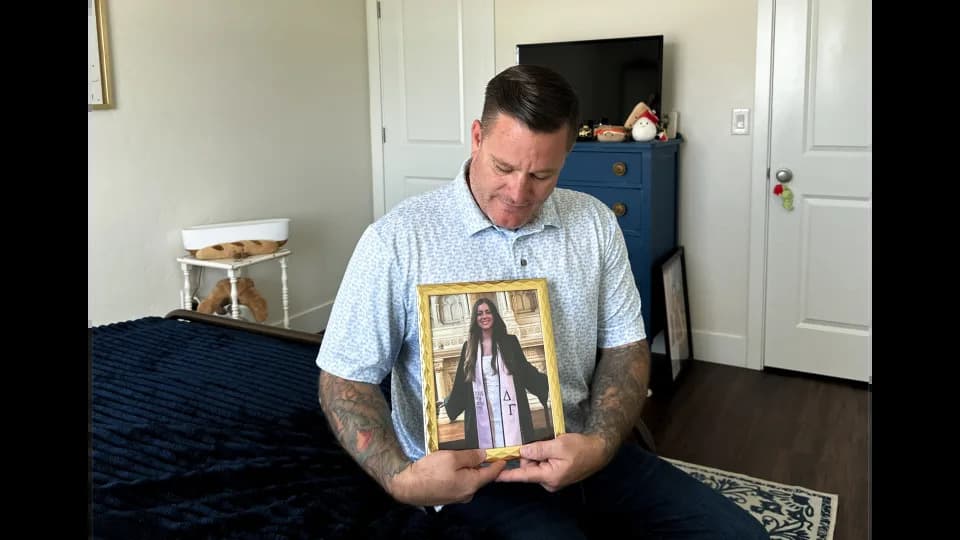
The illnesses have led to tragic losses. Seventeen-year-old Brody Matteson died in March 2026 after nearly two years fighting Ewing sarcoma; his mother, Megan Matteson, has become a prominent advocate pushing for transparency and investigation. In January 2026, 23-year-old Lily (Lilly) Dalton also died after battling Ewing sarcoma; her father has urged environmental testing. Families have also reported other rare cancers locally, including a case of synovial sarcoma in an 18-year-old who lost a leg.
Pets and Anecdotal Reports
Some residents have raised anecdotal concerns about pets developing tumors, describing instances such as dogs with brain tumors or other serious illnesses. Local leaders and public health officials caution that anecdotal reports are not the same as scientifically verified links and that further investigation is needed.
Local and Federal Responses
Last month the Ladera Ranch Maintenance Corporation (LARMAC), which manages landscaping for the community, announced its own temporary 60-day pause on specified landscape chemicals and formed an ad hoc Landscape Pest Management Advisory Committee of homeowners and board members to review its practices.
At the county and state levels, public health officials have stated that no environmental cause has been identified to date. At the federal level, First Assistant U.S. Attorney Bill Essayli asked EPA Administrator Lee Zeldin to investigate whether environmental factors could be contributing to the reported cancer cases and whether any federal environmental laws may have been violated.
District Next Steps: The Capistrano Unified Board of Trustees is expected to consider a resolution requiring annual reviews of landscape pesticides and herbicides and to explore safer alternatives. The district also plans to share a frequently asked questions document with families explaining the review process.
The district and community leaders emphasize that the pause is precautionary and that investigations and data-driven testing are necessary to determine whether any environmental exposures are linked to the reported illnesses. Residents continue to press for transparent testing, clear communication, and independent review of potential environmental risks.
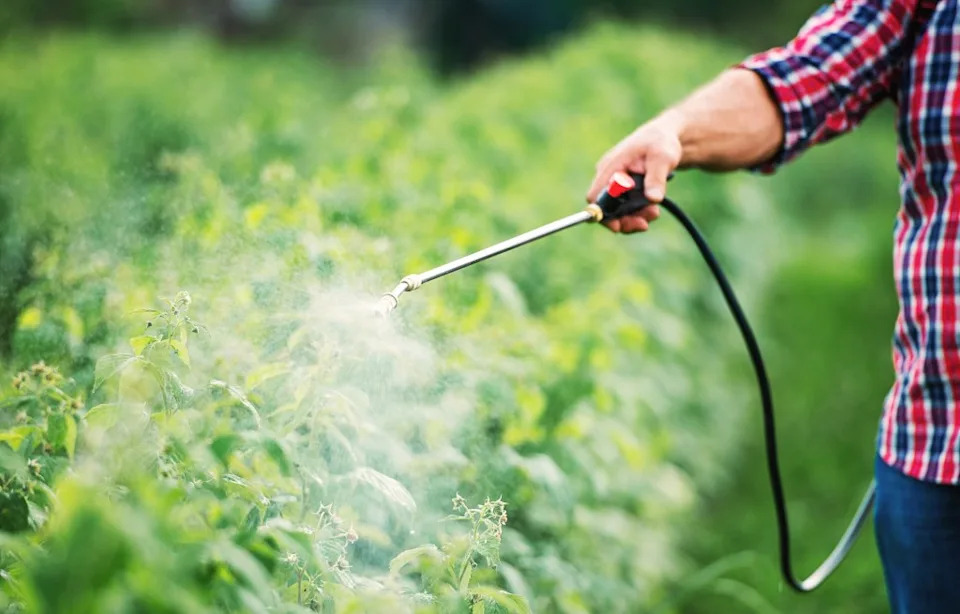
Pesticides are sprayed as concerns grow over the potential health risks of chemical use on campuses. Getty Images
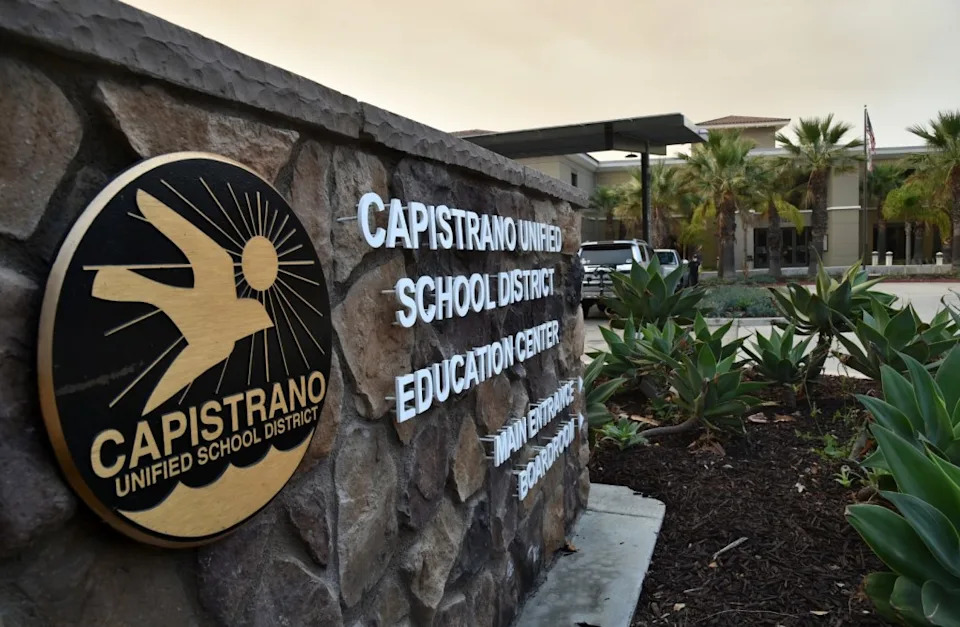
The Capistrano Unified School District in Orange County. Capistrano Unified School District
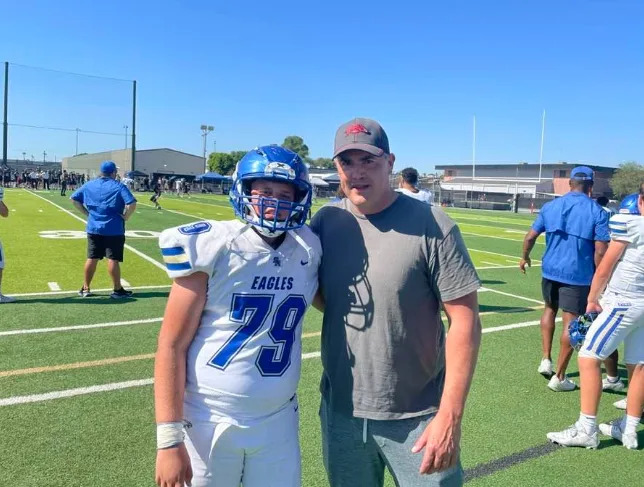
Brody Matteson is pictured. A cluster of extremely rare cancer cases has suddenly struck children in a wealthy Southern California city.

Lilly Dalton is among the young people whose illnesses have heightened concerns. gofundme

Some residents now fear the illnesses may not be limited to people. gofundme

Jessica Keetch and her family are pictured. A second strain of super rare cancer has surfaced in a rich SoCal enclave as child cases rise. Facebook/@keetch.2
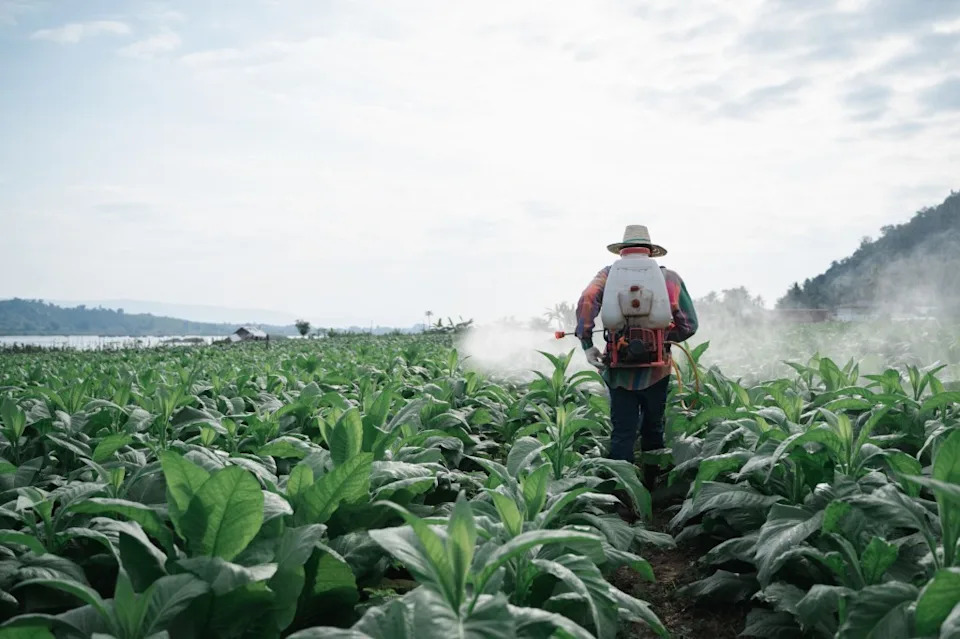
Concerns grow over the potential health risks of chemical use on campuses. Getty Images
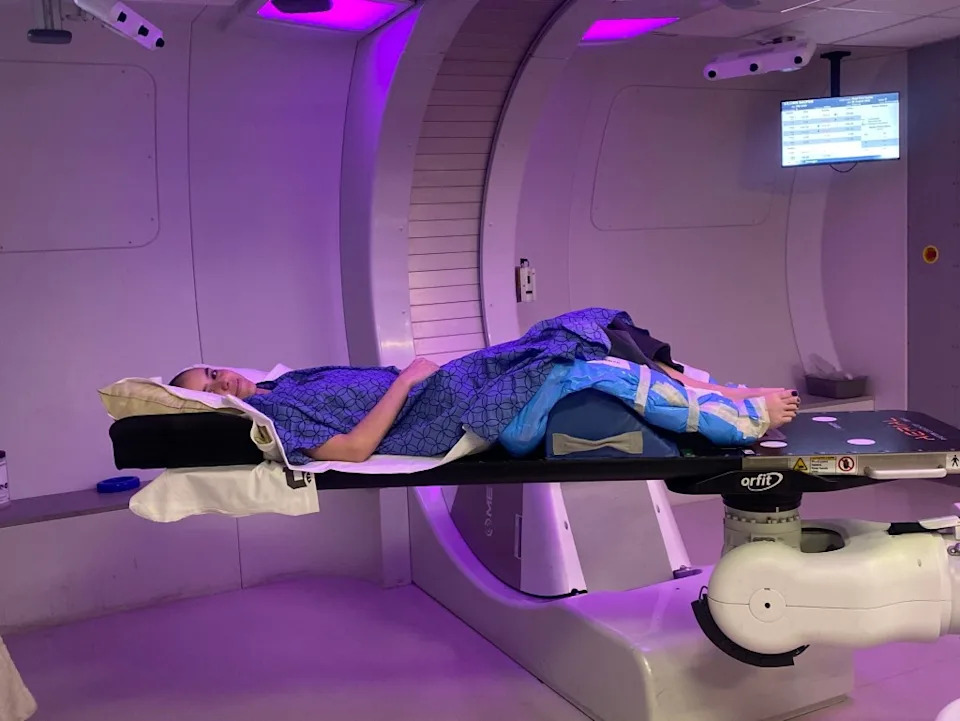
The Capistrano Unified School District temporarily halted routine pesticide and herbicide use on its campuses following the concerns. gofundme
Help us improve.