Wales has suffered major wildfires this summer, with peat-rich soils burned in upland areas. Peat grows at roughly 1mm per year, so when soil is incinerated recovery can take centuries. Large fires in the Rhinogydd and other sites burned thousands of acres, forced evacuations and were visible from space. Experts urge better land management, grazing, winter controlled burns and public education, since many fires are started by people.
Wildfires Could Leave Welsh Peatlands Centuries To Recover, Experts Warn
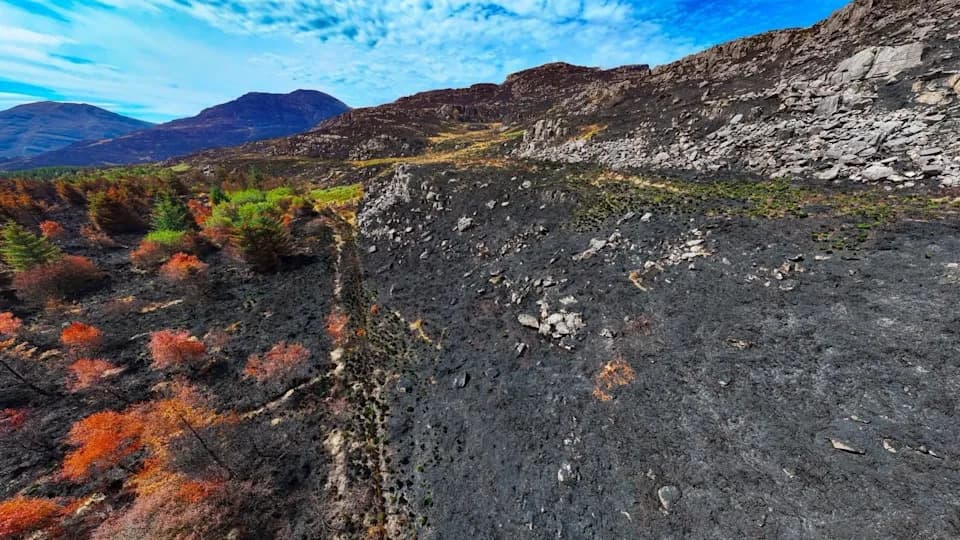
The Rhinogydd mountain range is home to some of Wales' most important natural habitats [PATRICK O'NEILL]
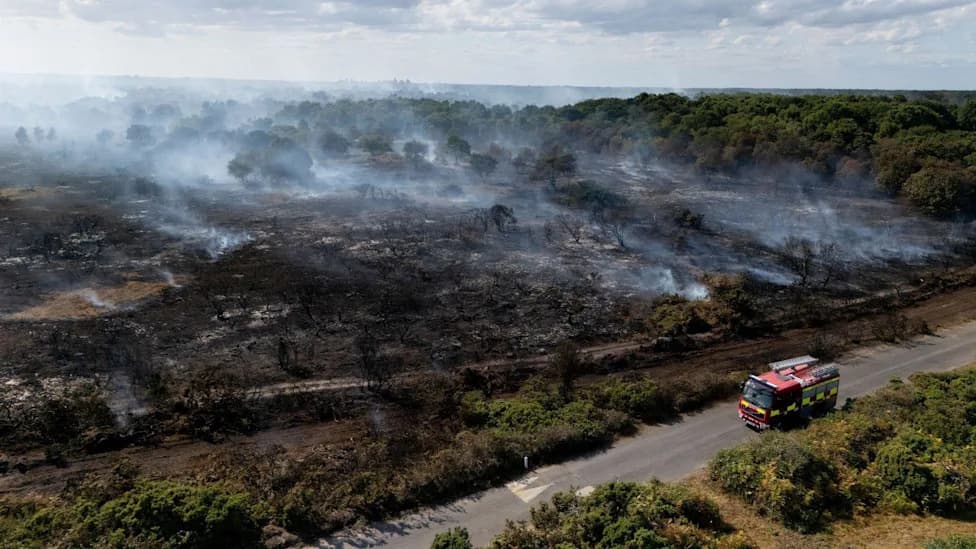
Wildfires that swept across Wales this summer may leave some peat-rich uplands unable to recover for centuries if the fires burned into the soil, environmental experts warn. Nick Thomas of Natural Resources Wales (NRW) said peat accumulates at roughly 1 millimetre a year, so when peat is incinerated the loss represents hundreds of years of growth.
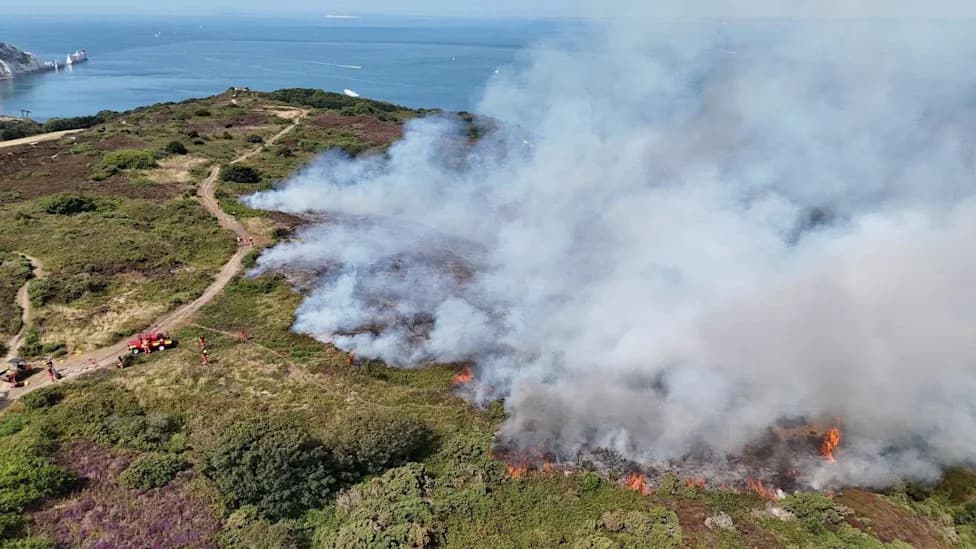
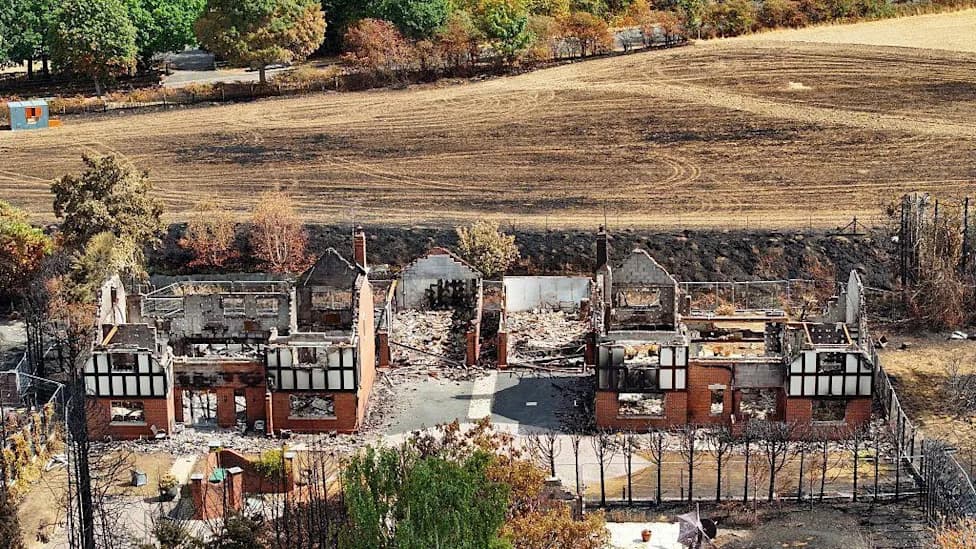
Thomas described 2026 as possibly the worst year for wildfires in Wales in his memory. Major blazes included a long-running fire in the Rhinogydd mountain range in Gwynedd — a National Nature Reserve and Special Area of Conservation — that burned for nearly two weeks and affected more than 2,000 acres. Another major incident prompted the evacuation of a village in Conwy county. Both incidents were large enough to be visible from satellite imagery, and smoke from a separate fire in Blaenavon was reported as far away as Cardiff.
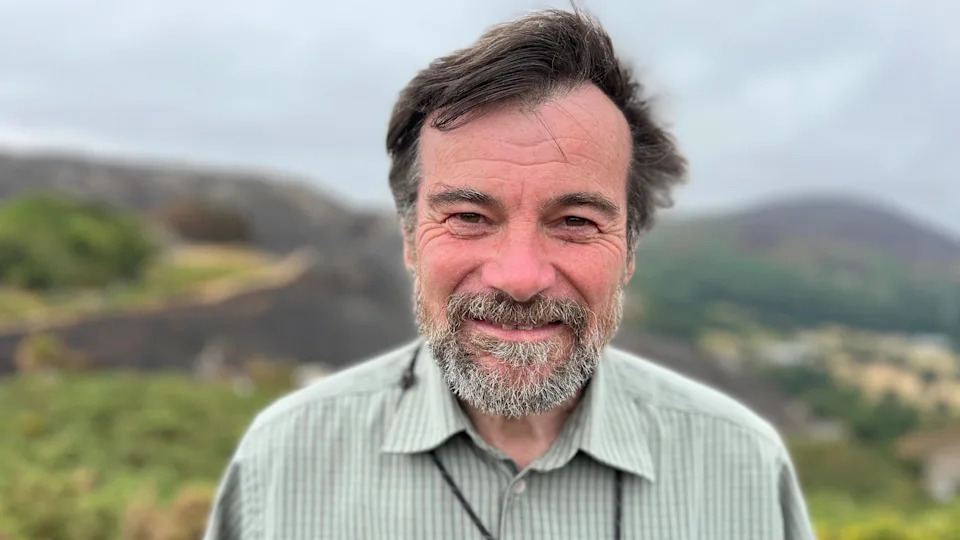
Julian Thompson has devoted 36 years of his life to enhancing Pensychnant Conservation Centre [BBC]
Depth Of Burn Determines Recovery Time
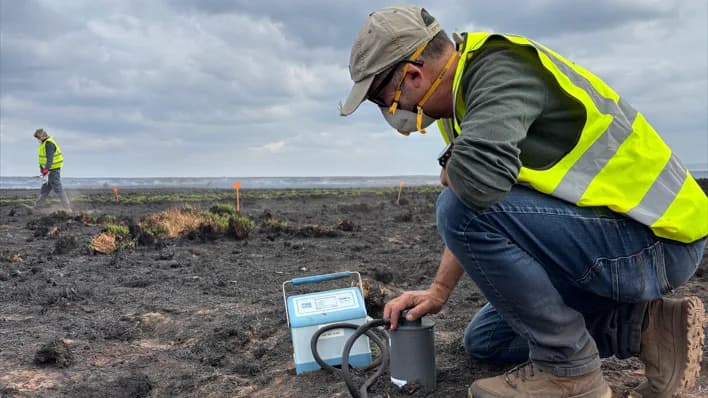
How quickly a site recovers depends on fire intensity and depth. "While some areas will recover quite quickly — potentially within a couple of years — it all depends on how deep the fire goes," Thomas said. "If a fire burns into the soil and incinerates the soil... then you've lost hundreds of years worth of soil. So it's going to take hundreds of years really for that vegetation to come back in a similar way to what it was." The loss of peat also reduces the land's capacity to retain water, increasing flood risk because the ground no longer acts as a natural sponge.
"This year seems to have been worse, I would say, than any of the ones I can remember. I would expect this to probably be the worst year for wildfires perhaps we've ever had." — Nick Thomas, Natural Resources Wales
Local Impacts And Species Loss
NRW pointed to a 2018 wildfire on Mynydd Llantysilio near Llangollen that incinerated around 10 cm of peat in places; eight years later, significant patches still lack heather regrowth. This summer some areas have seen an upsurge in heather beetles, potentially linked to milder winters. The beetles strip leaves and leave behind dry woody stems that burn more easily, creating a feedback loop that can intensify fires.
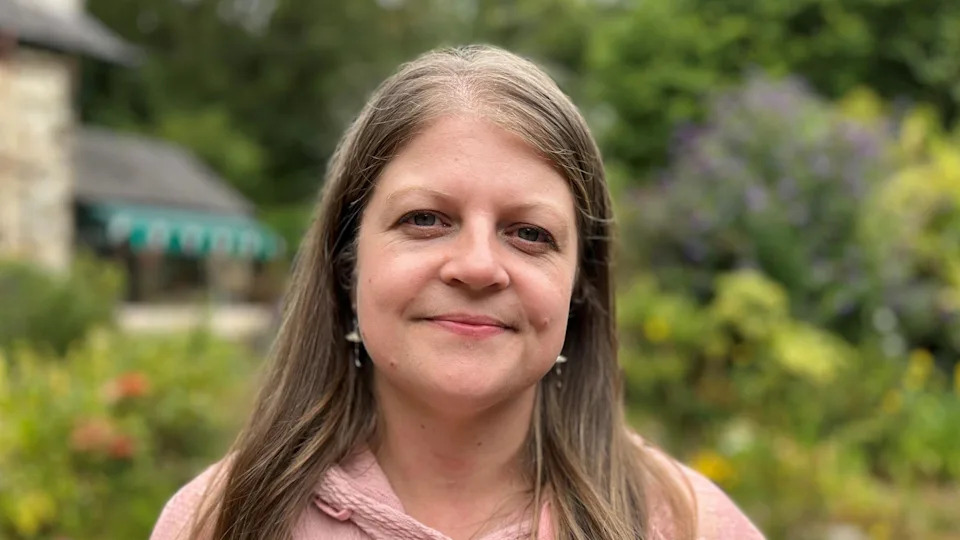
Evie Roberts says people need to learn that actions can have lasting consequences [BBC]
At Pensychnant Conservation Centre, warden Julian Thompson — who has worked there for 36 years — said roughly a third of the reserve's 150 acres burned in July. He described soil turned to dust down to the rock in many areas and warned that slow-moving reptiles, invertebrates and some very rare moths (such as the Ashworth's Rustic and the Weaver's Wave) were likely heavily affected where habitat was destroyed.
Prevention And Management
Experts and local conservation groups, including RSPB Cymru, urged stronger land management and public education. Practical measures include reducing fuel loads through targeted vegetation management, promoting grazing in appropriate areas and using controlled burns in the recommended season (typically winter) rather than in drought conditions. Thomas emphasised that many wildfires are started by people and called for greater public awareness about fire risks from discarded cigarettes, glass bottles and other ignition sources.
Thomas said a full assessment of this summer's damage may take months, but he described the situation as "very frightening" and warned that repeated, severe events driven by climate change will challenge nature's ability to recover.
Help us improve.