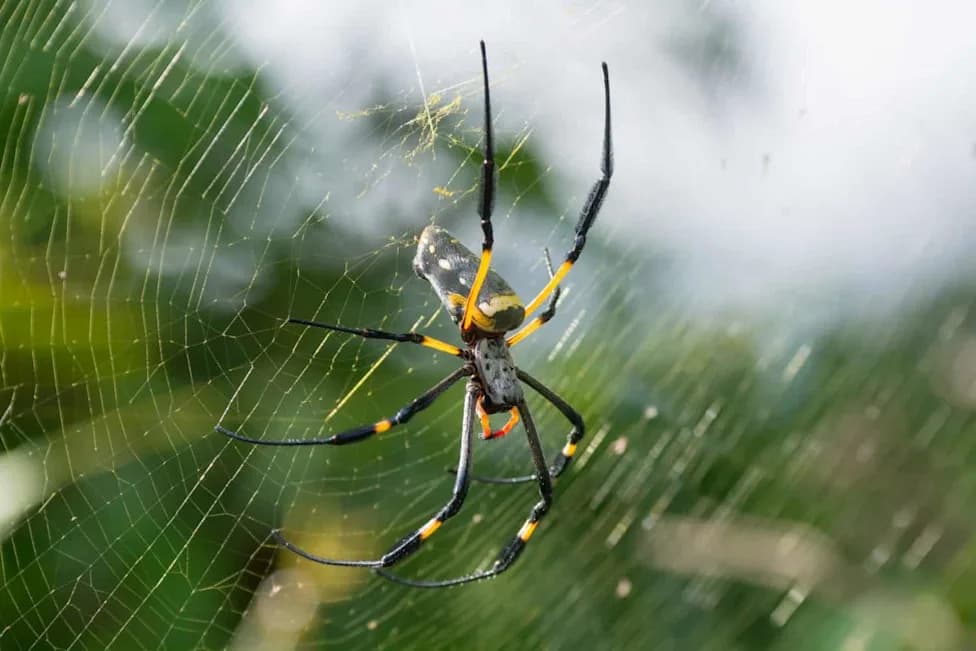
Spider silk can rival some steels when compared by weight and is especially notable for its toughness — its ability to absorb energy by stretching. However, steel is denser and often stronger in absolute terms, and real webs are structurally and logistically unsuitable as human lifelines. Researchers are mimicking spider-silk proteins and spinning methods to create lighter, tougher materials for medicine, textiles, and engineering, while carefully weighing trade-offs.
Spider Silk vs. Steel: Why “Stronger Than Steel” Misses The Point
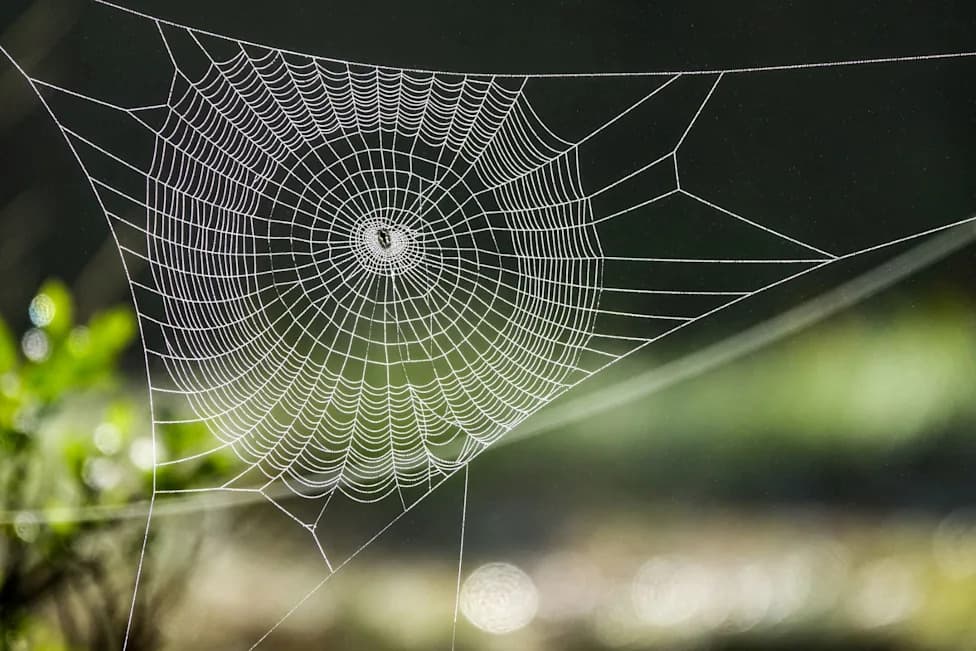
Photo Credit: iStock
Thanks to comic-book heroes like Spider-Man, spider silk has a near-mythical reputation. A recent YouTube experiment set out to test the familiar claim that spider silk is “stronger than steel” and revealed an important caveat: the statement is true in some contexts, but misleading if you don’t specify what you mean by “strong.”
Strength, Toughness, and Density: What Engineers Mean
Strength in materials engineering typically refers to how much stress a material can withstand before it breaks. Measured this way, certain spider-silk fibers can rival some types of steel — especially when compared on a mass basis (strength per gram) rather than by equal cross-sectional area. But steel is much denser, usually stiffer, and in many absolute tests remains the stronger material.
Toughness is different: it measures how much energy a material can absorb before failing. This is where spider silk truly shines. Its combination of extensibility and strength lets it stretch and absorb impact energy, helping webs survive insect collisions and changing outdoor conditions in ways brittle high-strength fibers cannot.
Why Webs Aren’t Superhero Lifelines
Even accepting the silk’s impressive properties, real spider webs are impractical as human lifelines. Web performance depends on how the web is constructed, how and where it’s anchored, and how little silk a spider can produce at any one time. Those logistical and structural realities make comic-book-style uses unrealistic.
From Nature To The Lab: Biomimicry And Scaling Challenges
Farming spiders for textile-scale production doesn’t work: many species are territorial and cannibalistic. Instead, researchers use biomimicry — copying the silk’s protein sequences and spinning methods — to produce silk-like fibers. Approaches include engineering microbes, plants, and other host systems to produce silk proteins, then spinning those proteins into fibers with tailored mechanical properties.
The aim isn’t to make literal web-slinging ropes but to develop lighter, tougher, and more adaptable materials for applications such as surgical sutures, protective textiles, and high-performance composites. Commercial adoption will hinge on a clear understanding of trade-offs — cost, production energy, scalability, and the specific mechanical requirements for each use.
The Real Takeaway
Flashy headlines that claim one material “beats” another tend to flatten complex trade-offs. The smarter question is which material is best for a specific job. Spider silk is a powerful example of how studying nature’s solutions can inspire lower-waste, high-performance materials — but those solutions must be evaluated against real-world constraints and design needs.
Help us improve.