The Strait of Hormuz — once a two‑mile‑wide, two‑way maritime highway — has been largely emptied by mines, drone strikes and newly imposed tolls. About 20% of the world’s oil and LNG historically transited the strait under a traffic scheme proposed by Iran and Oman and adopted by the UN in 1968. Vessels now prefer temporary coastal corridors, and an expected Tehran‑Muscat deal could formalize a new route. Experts warn that pipelines and relocated ports will not easily erase Iran’s enduring strategic leverage over Hormuz.
Iran Tightens Grip On The Strait Of Hormuz: Mines, Drone Strikes And A New Coastal Corridor
Iran tightens grip on Strait of Hormuz
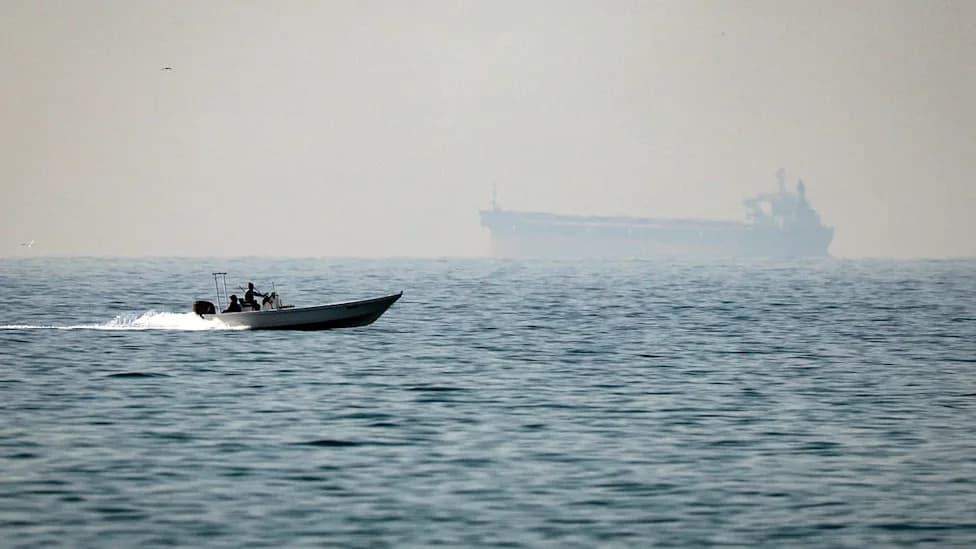
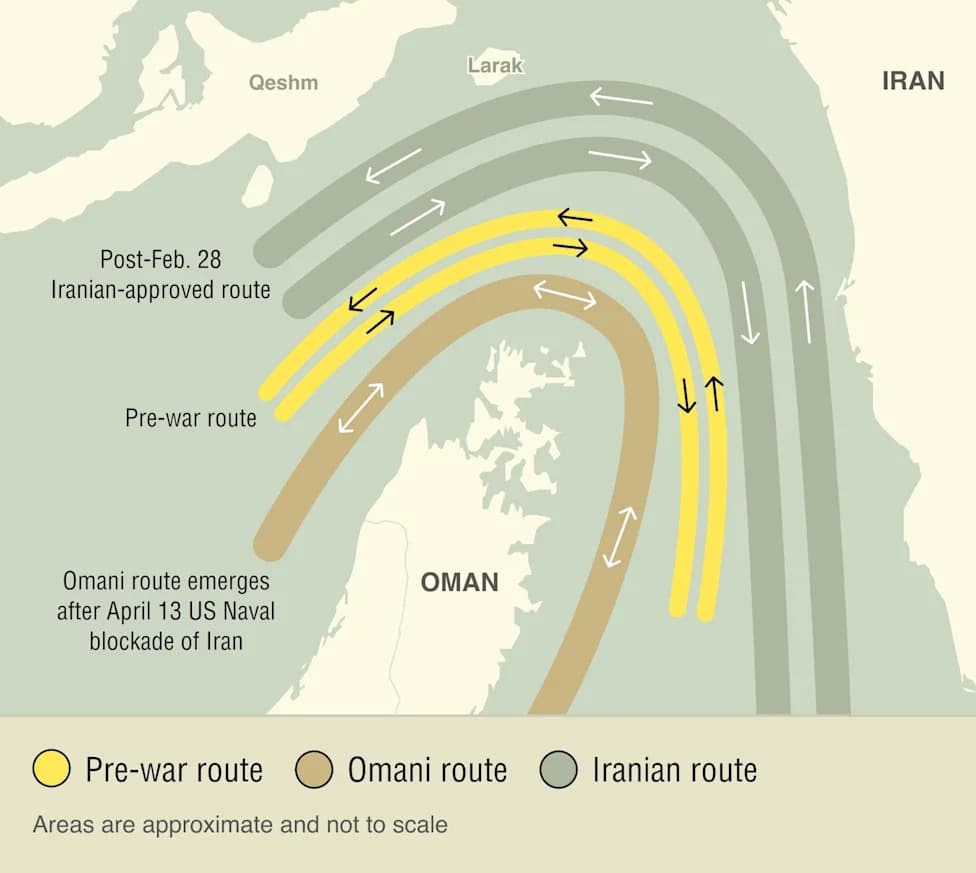
Before mines, drone strikes and newly imposed tolls, the Strait of Hormuz operated like a two-way highway: two-mile-wide channels allowed large ships to pass safely in both directions. Today, that main lane is largely empty as vessels steer clear of the central channel amid threats from sea mines and occasional attacks.
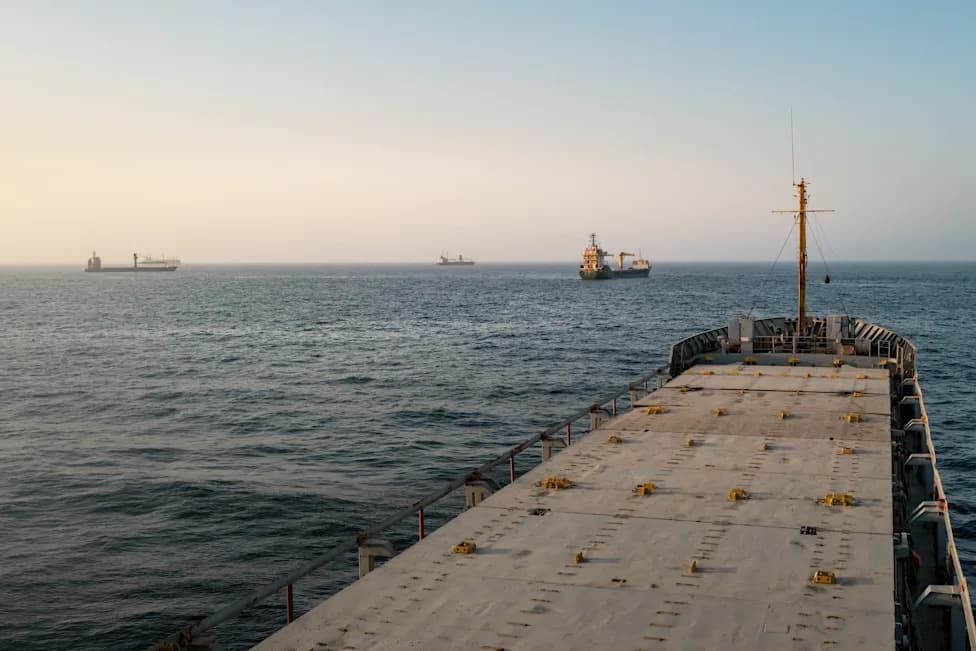
Strategic Traffic and Historical Rules. Roughly one-fifth of the world’s oil and liquefied natural gas once transited the strait daily, together with foodstuffs, petrochemicals and other goods — much of it through the deep waters historically controlled by Oman. The traffic-separation scheme for the strait was jointly proposed by Iran and Oman and adopted by the UN’s maritime body in 1968.
New Patterns, Same Leverage. With the main lane largely abandoned, most commercial traffic now favors temporary corridors that hug the Iranian and Omani coasts. Iranian mines, documented drone strikes and the imposition of transit tolls have reshaped maritime behavior and raised insurance and operating costs for shipping companies.
A Possible Tehran–Muscat Deal. An expected agreement between Tehran and Muscat could formalize new coastal routing and facilitate a de‑facto alternative to the historic central channel. Such a deal would change navigational patterns but would not necessarily remove the strategic importance of the strait.
Why Iran’s Leverage May Persist. Analysts and The Economist warn that arguments calling for the strait’s decline — citing bypassing pipelines, relocated refineries or alternate ports — underestimate how hard, costly and time‑consuming it is to reroute global hydrocarbon trade at scale. Those factors, together with control of chokepoints and the ability to interdict shipping, suggest Tehran’s influence over Hormuz could outlast the current confrontation with the United States.
Takeaway: Temporary coastal corridors and new bilateral arrangements may alter traffic, but the Strait of Hormuz remains a potent strategic lever for Iran.
Help us improve.