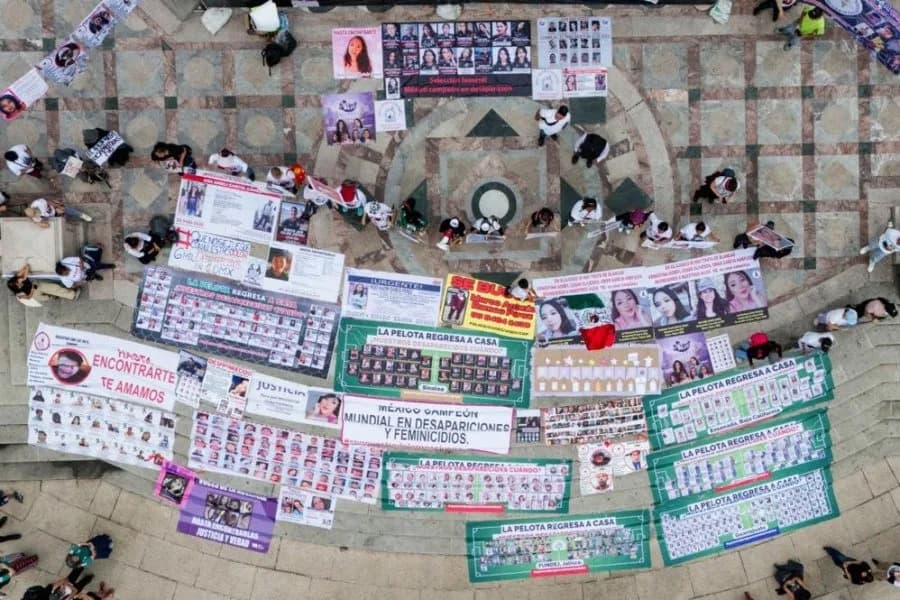
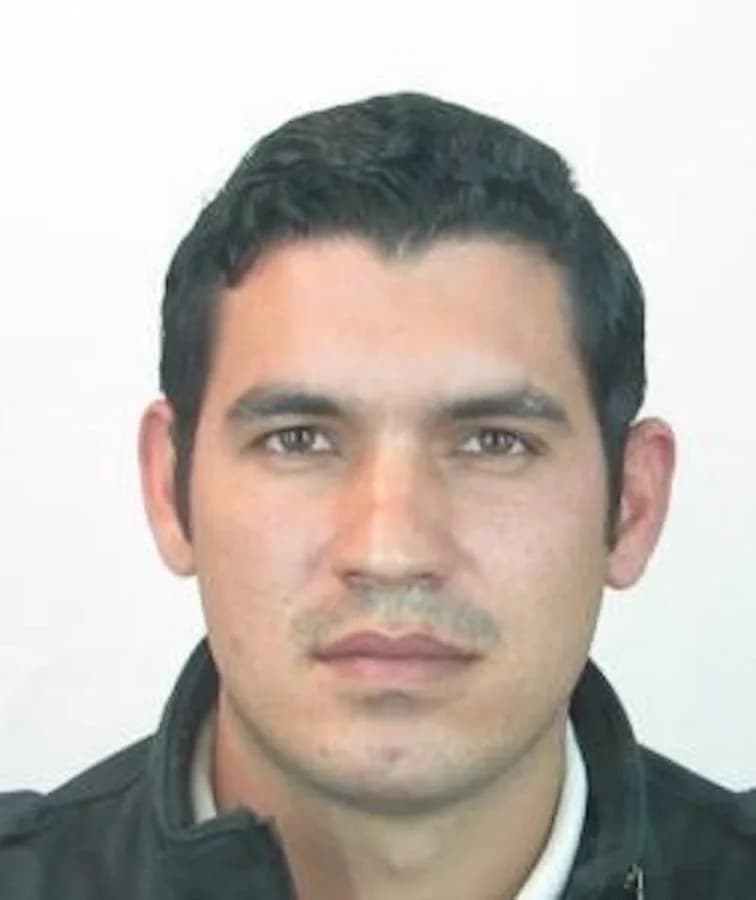
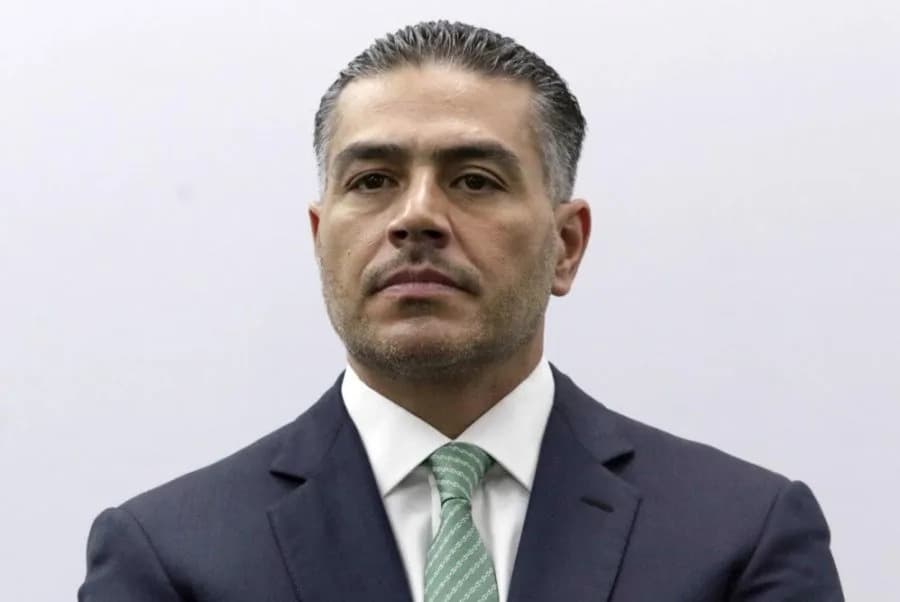
Former Guerrero governor Ángel Aguirre was arrested on charges of concealing evidence related to the 2014 disappearance of 43 Ayotzinapa students. Prosecutors provided few details, but Aguirre — who left office in October 2014 — is one of the most prominent figures detained in the long-running investigation. Only bone fragments from three of the 43 students have been recovered, and authorities allege cartel members in Iguala acted with collusion from security forces. The case, described by the López Obrador administration as a "state crime," continues to drive demands for truth and accountability.
Ex-Guerrero Governor Ángel Aguirre Arrested Over 2014 Disappearance of 43 Ayotzinapa Students
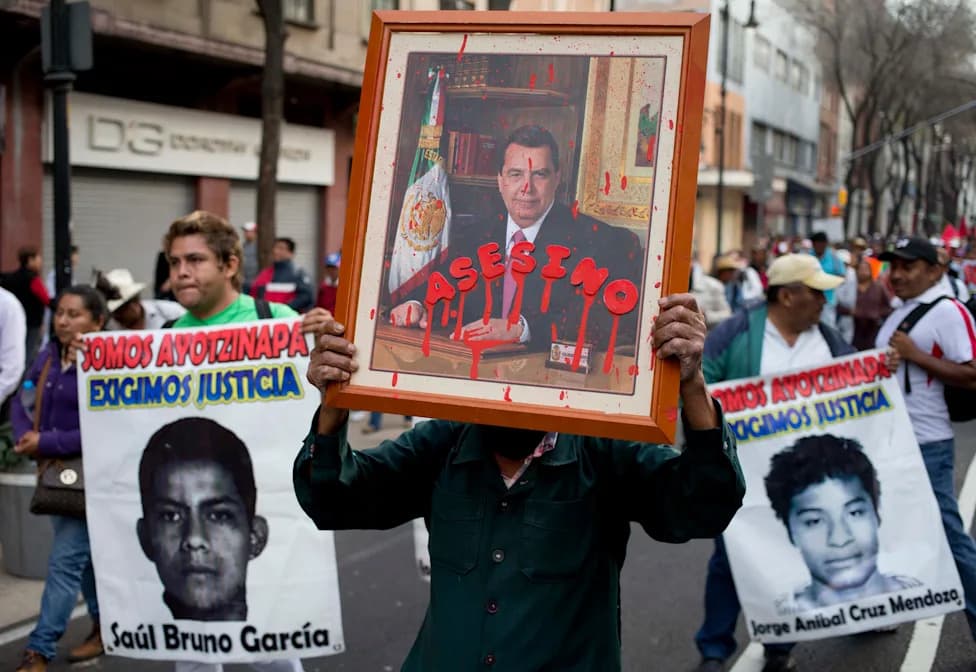
FILE - A protestor holds a portrait of Angel Aguirre, the former governor of Guerrero state, with the Spanish word for assassin written across it, during a march against the disappearance of 43 students from a rural teachers' college, Jan. 26, 2015, in Mexico City. (AP Photo/Eduardo Verdugo, File)(AP Photo/Eduardo Verdugo)
Mexico City — Mexican authorities have detained former Guerrero governor Ángel Aguirre, accusing him of concealing evidence in the 2014 disappearance of 43 students from the Ayotzinapa Rural Teachers' College — a case that has become a symbol of impunity and alleged state collusion with criminal groups.
Federal prosecutors said they arrested Aguirre on charges of "concealing evidence to determine the whereabouts of the students." Officials released few immediate details about the arrest, and prosecutors have not publicly outlined the exact evidence they say Aguirre concealed.
Background and Investigation
Aguirre, who governed Guerrero from 2011 until October 2014 (one month after the disappearances), is among the highest-profile figures detained in the long-running probe. His arrest is the most prominent development since the detention of former federal Attorney General Jesús Murillo Karam, who faces criminal charges including forced disappearance, obstruction of justice and torture.
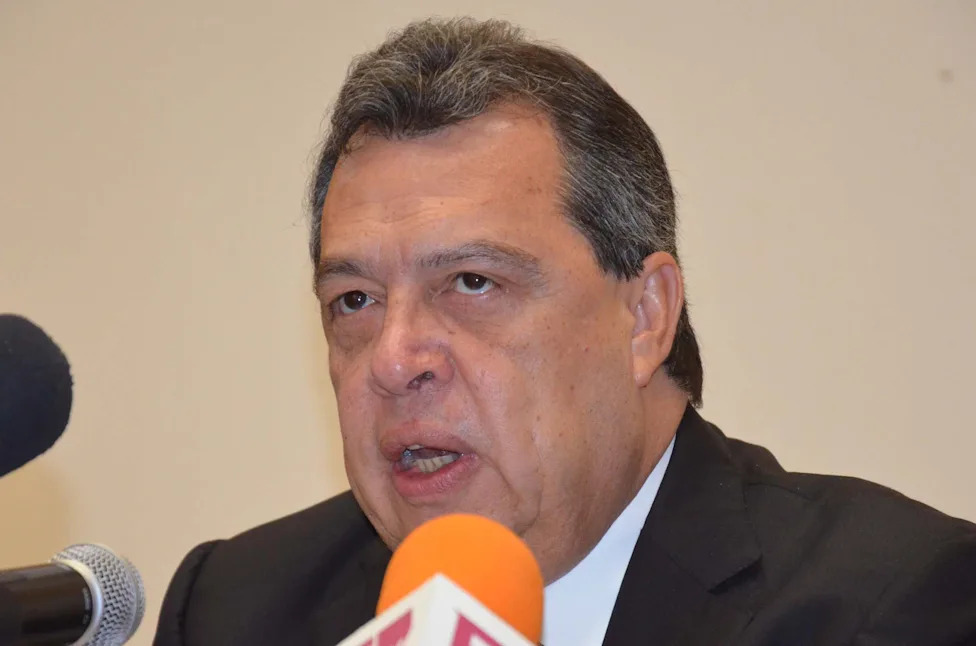
FILE - Angel Aguirre, governor of the state of Guerrero, announces he is stepping aside during a press conference in Chilpancingo, Mexico, Oct. 23, 2014. (AP Photo/Alejandrino Gonzalez, File)(AP Photo/Alejandrino Gonzalez)
The students disappeared after commandeering several buses en route to a protest in September 2014. The incident shocked Mexico and the international community and has continued to provoke outrage as key facts emerge slowly more than a decade later.
Unanswered Questions and Allegations
Across three presidential administrations, investigators have made dozens of arrests and documented numerous irregularities in the inquiry. Authorities believe the students were killed, but only bone fragments from three of the 43 victims have been recovered, and the precise motive remains unclear. Investigators have linked the violence to heroin trafficking and other organized-crime activity in the region.
Mexican prosecutors allege that a criminal cartel in Iguala carried out the attack with the collusion of local, state and federal security personnel — and that some military actors may also have been implicated. The government of former President Andrés Manuel López Obrador (2018–2024) formally described the Ayotzinapa case as a "state crime."
Significance
The arrest of a former state governor on allegations of concealing evidence marks a significant new turn in a case that continues to reverberate across Mexico. Families of the victims, human rights groups, and many citizens have long demanded truth, accountability and justice; Aguirre's detention may reopen questions about who knew what and when — and whether the state will finally address long-standing allegations of collusion and cover-up.
What remains clear: The Ayotzinapa case is unresolved, painful for victims' families, and central to debates about corruption, impunity and criminal influence within Mexican institutions.
Help us improve.