Stony Brook Medicine confirmed the first Long Island Bourbon virus case in April after a study of 107 patients; the infected patient showed an eight‑fold rise in antibody levels and required hospitalization. Bourbon virus, spread by the lone star tick, causes flu‑like symptoms that often mimic other tick‑borne diseases and can be missed or misdiagnosed. There is no vaccine or specific antiviral treatment, and public health data show elevated emergency visits for tick bites this spring. The CDC recommends preventive measures and prompt tick removal.
Bourbon Virus Confirmed on Long Island as Tick Season Peaks
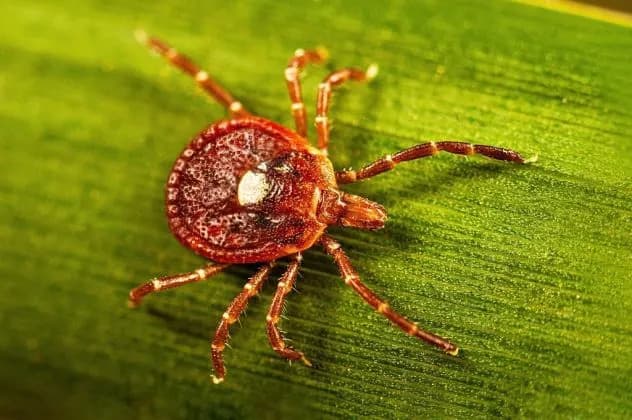
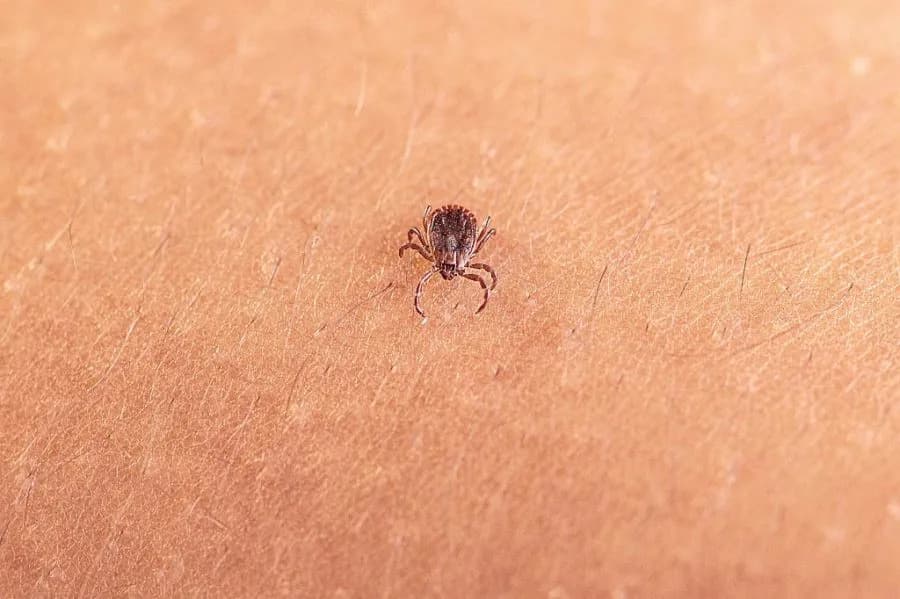
An adult female lone star tick (Amblyomma americanum) crawls on a blade of grass, 2023.
Researchers at Stony Brook Medicine have confirmed the first known Long Island case of Bourbon virus amid a busy tick season. The finding, published in the American Journal of Tropical Medicine and Hygiene, came from a study of 107 people who sought care after tick bites and was confirmed in April when the patient's antibody levels rose sharply over a month.
Luis Marcos, professor of Medicine and Microbiology and Immunology at Stony Brook University and director of the Tick‑borne Disease Clinic, noted that the case showed an eight‑fold increase in antibody titers over one month and that the patient experienced severe symptoms requiring hospitalization.
What Is the Bourbon Virus?
The Bourbon virus is a rare viral infection transmitted by the lone star tick (Amblyomma americanum). First identified in 2014 in Bourbon County, Kansas, the virus has since been reported in parts of the East Coast, Midwest and southern United States. Stony Brook Medicine reported two deaths linked to the virus (one in 2014 and another in 2026). There are currently no vaccines or specific antiviral treatments approved for Bourbon virus infection.
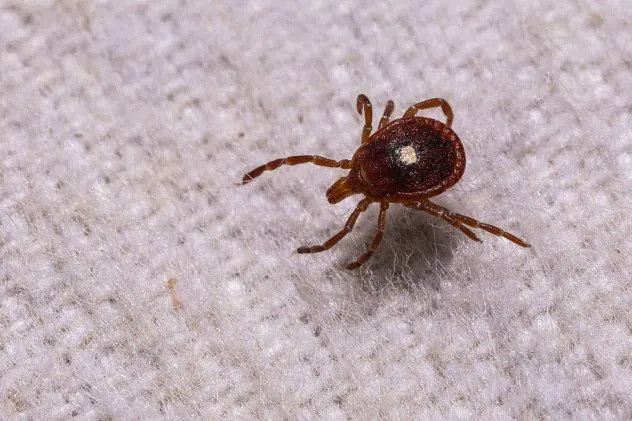
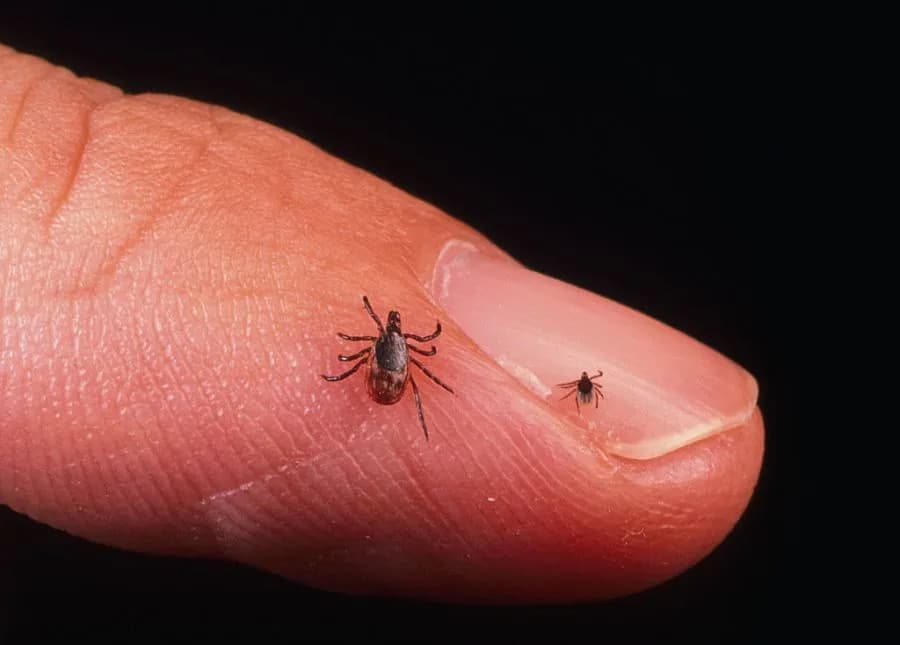
A lone star tick crawls across tick biologist Patrick Roden-Reynolds' tick drag in the backyard of a home during a tick survey on May 18, 2026. (Photo by Finn Gomez/The Boston Globe via Getty Images)
Symptoms, Diagnosis and Misdiagnosis
Symptoms of Bourbon virus infection can include fever, rash, fatigue, body aches, headache and nausea—many of which overlap with other tick‑borne illnesses such as Lyme disease. In the Long Island case, the patient was initially treated for Lyme disease with doxycycline but did not improve, prompting further testing that confirmed Bourbon virus infection.
Other Tick‑Borne Concerns This Season
In addition to this Bourbon virus case, New York health officials recently suspected three cases of tularemia, an infection commonly associated with lone star or American dog ticks. Tularemia, sometimes called rabbit fever, causes high fever, body aches, fatigue and swollen lymph nodes but can be treated effectively with antibiotics.
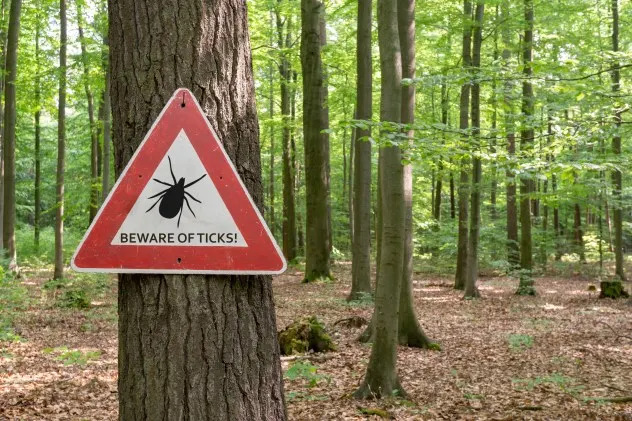
A warning sign is hanging in a wooded area where ticks could be a danger. (gabort71/iStock /Getty Images Plus)
Centers for Disease Control and Prevention (CDC) data show emergency department visits for tick bites reached their highest level in April since 2017, peaking in May before beginning to decline.
Prevention and What To Do If You Find a Tick
Ticks are commonly found in grasses and shrubs and locate hosts by sensing breath, body odors, moisture and vibrations. The CDC recommends several practical preventive measures: wear long sleeves and pants in grassy or wooded areas, use EPA‑registered insect repellent, check pets after outdoor activity, shower soon after being outdoors, and remove attached ticks promptly with fine‑tipped tweezers. Early removal reduces the chance of many tick‑borne infections.
If you develop fever, severe headache, rash or other concerning symptoms after a tick bite, seek medical care and tell your provider about the tick exposure so they can consider a range of possible infections.
Help us improve.