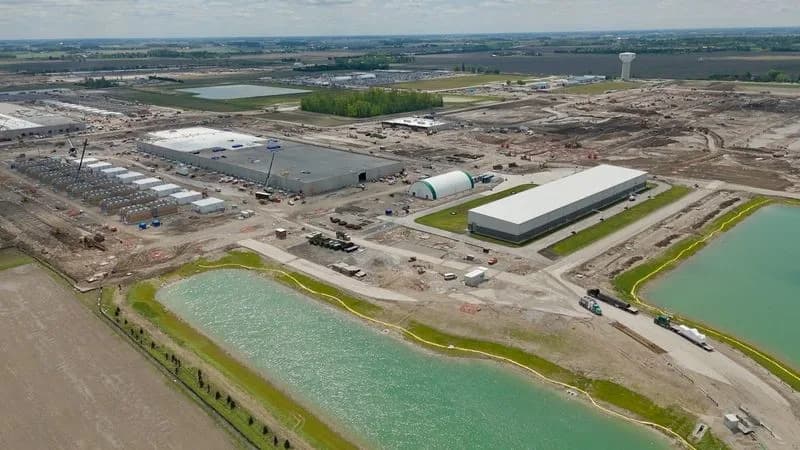
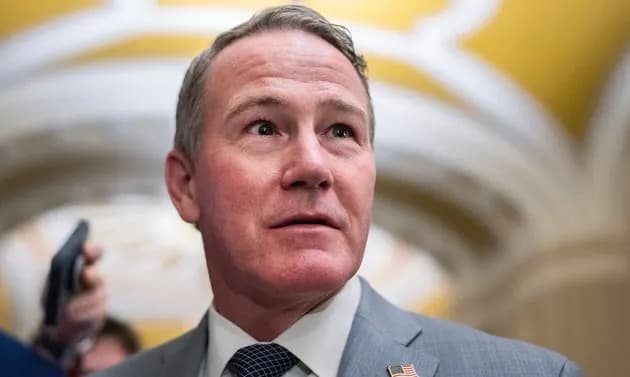
Vivek Ramaswamy proposed a three-part plan for approving new data centers in Ohio: free residential electricity for households in a defined "benefit zone," property tax relief funded by data centers paying full taxes, and strict adherence to air and water quality standards with farmland protection. He would pause new approvals on day one and push legislation to codify the rules early in his term. The plan aims to balance economic growth with clear, enforceable local benefits.
Ramaswamy Pledges Free Electricity, Lower Property Taxes and Strong Environmental Rules for Communities With New Data Centers
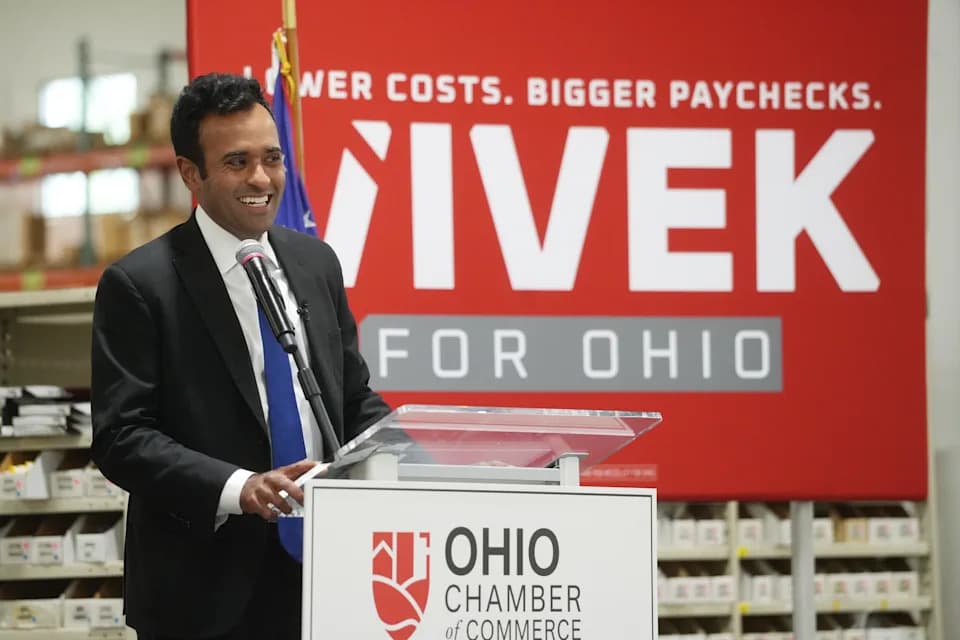
Gubernatorial candidate Vivek Ramaswamy speaks as he holds a campaign event to discuss Ohio's economic future July 14, 2026. Kimball Midwest hosted the event at their Roberts Rd.warehouse in Hilliard. Kimball Midwest sells maintenance, repair and operations products.
Vivek Ramaswamy, the Republican candidate for Ohio governor, unveiled a proposal aimed at reshaping how new data centers are sited and regulated in the state. Framed as a plan to protect homeowners, preserve farmland and hold companies accountable, the pledge ties any new data-center approval to three strict conditions: free residential power for nearby households, property tax relief for local homeowners, and full compliance with air and water quality standards.
Balancing Jobs With Community Concerns
Ramaswamy acknowledges that the data center boom has brought high-paying construction jobs and capital investment to Ohio. After visiting all 88 counties and meeting workers, farmers, union leaders, small business owners and environmental groups, he says the right path is neither unfettered expansion nor an outright ban. Instead, his plan aims to align private investment with clear public benefits.
Three Nonnegotiable Conditions
Under Ramaswamy's pledge, a proposed data center cannot proceed unless it meets each of the following requirements:
- Free Residential Electricity: Households inside a legally defined "benefit zone" would pay no residential electric bills tied to the project—either via credits from excess generation or direct reimbursement from the company.
- Property Tax Relief: Data centers would not receive future property tax abatements; instead, they would pay 100% of property taxes and those revenues would fund rebates or reductions for homeowners in the benefit zone.
- Strict Environmental Compliance and Farmland Protection: Facilities would have to meet all air and water quality standards without exemptions, minimize water use through recycling and reuse, return discharged water as clean as it was taken in, and prioritize brownfield sites over fertile farmland.
How Free Electricity Would Work
Ramaswamy describes practical options such as behind-the-meter generation colocated with a data center. For example, if a 1,000 megawatt (MW) power plant were built and the data center consumed 700 MW, the remaining 300 MW could be credited to residential customers in the benefit zone. He notes even a 100 MW surplus could power roughly 75,000–100,000 homes. State law would define the benefit zone and the mechanism for credits or reimbursements.
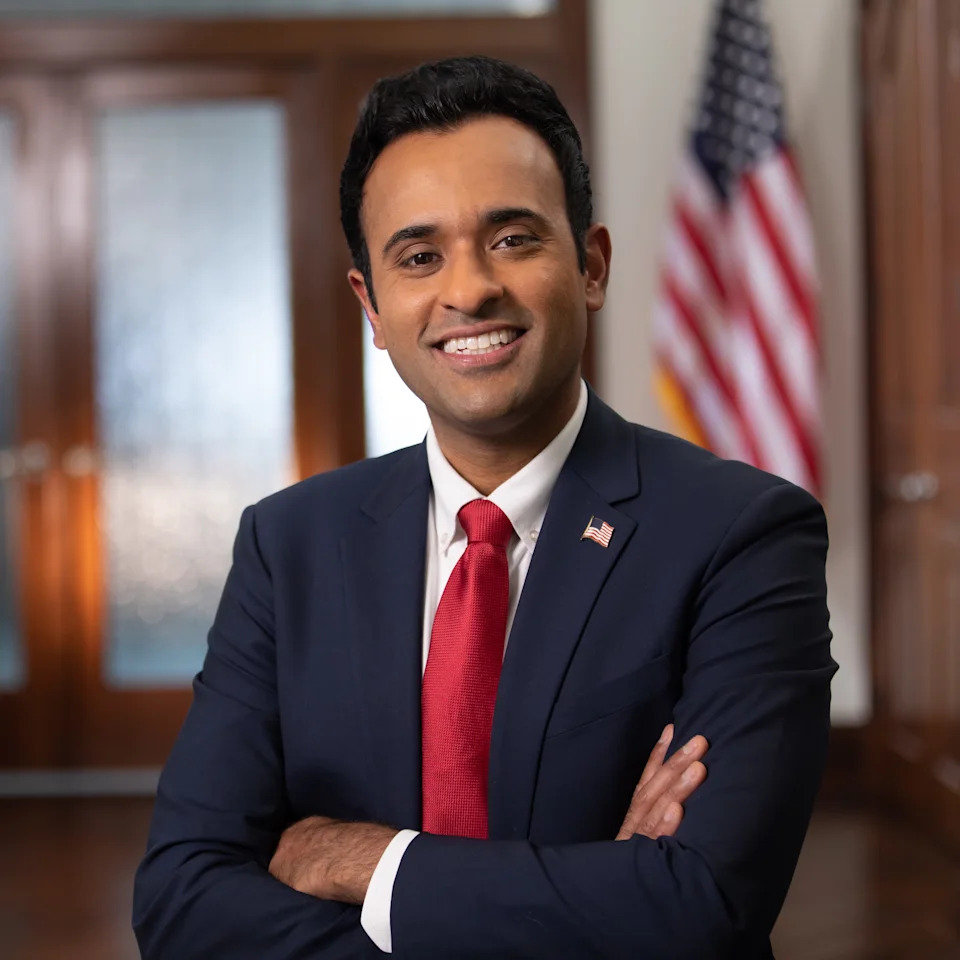
Vivek Ramaswamy is a Republican candidate for governor of Ohio.
Tax Revenue and Local Services
The plan would end the practice of granting property tax abatements to future data centers and use the full property tax payments to finance homeowner rebates. Ramaswamy says this structure can provide tangible property tax relief without reducing funding for police, schools or fire services.
Legislative and Executive Actions
Ramaswamy pledged to work with the Ohio legislature to codify these commitments into law immediately after taking office and said he would issue an executive order on day one to pause approval of new data center projects until the legislation takes effect. He framed this as a predictable regulatory approach that protects communities while allowing responsible investment.
Supporters' And Critics' Perspectives
Supporters may welcome increased accountability, local benefits and environmental safeguards. Critics could question the feasibility of obliging private companies to fully underwrite residential power costs or the legal and logistical details of benefit zones and tax rebates. Ramaswamy says negotiating from the governor's office and using commercial acumen—rather than bureaucracy—will secure agreements with hyperscale operators.
Bottom line: Ramaswamy's proposal links data center approvals to concrete local benefits—free electricity for residents within a benefit zone, property tax relief funded by full tax payments from data centers, and uncompromising environmental protections—backed by proposed legislation and an initial executive-order pause on approvals.
Vivek Ramaswamy is a Republican candidate for governor of Ohio. This article summarizes his public policy pledge on data centers and how he proposes to implement it if elected.
Help us improve.