Project NoCargo, launched in June 2025, recovered 392 stolen vehicles worth about $28 million and prevented their export from Canadian ports in Halifax, Montreal, Toronto and Vancouver. The RCMP ran the pilot with INTERPOL Ottawa, CBSA, FINTRAC and financial institutions to detect organised-crime schemes using stolen or fabricated identities to obtain loans and insurance. CBSA also reported 1,590 stolen-vehicle interceptions in 2025. Officials say the pilot highlights the importance of rapid information sharing to stop export-related fraud and disrupt criminal networks.
Project NoCargo: RCMP Foils Export of 392 Stolen Vehicles Valued at $28M
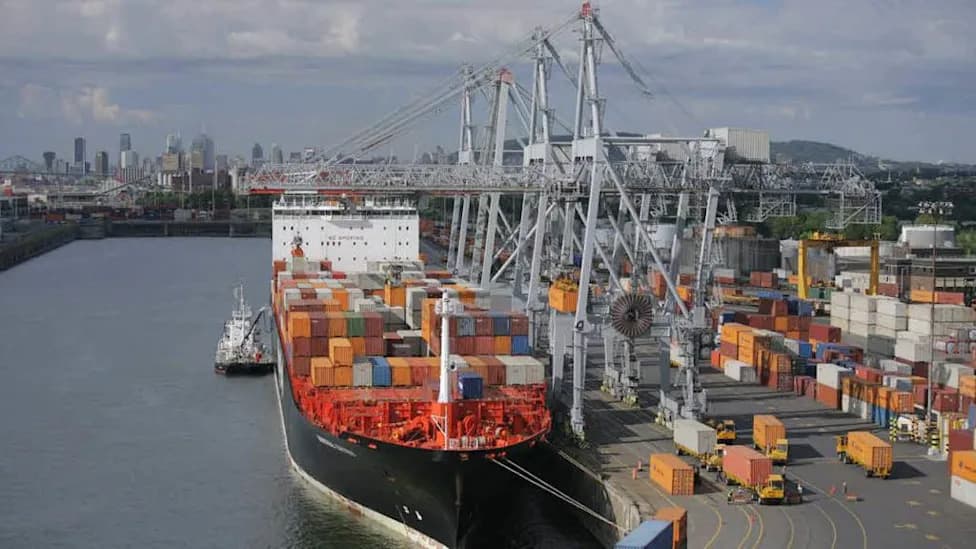
Canadian authorities stopped 392 fraudulently obtained vehicles worth $28 million before overseas export through ports including Montreal. (Photo: Port of Montreal)
The Royal Canadian Mounted Police say Project NoCargo, a yearlong anti-fraud pilot launched in June 2025, recovered 392 stolen vehicles with an estimated value of $28 million and stopped them from being exported from Canadian ports. Recoveries were made in Halifax, Montreal, Toronto and Vancouver.
Investigators created the pilot after INTERPOL Ottawa and RCMP analysts identified a growing export-fraud scheme in 2025. Organized-crime networks were using stolen or fabricated personal information to secure vehicle loans and insurance and then attempting to ship the fraudulently obtained vehicles overseas.
The RCMP coordinated the initiative with INTERPOL Ottawa, the Canada Border Services Agency (CBSA), FINTRAC and Canadian financial institutions. Border officers flagged shipments with financial-fraud indicators and referred them to RCMP investigators, who reviewed the referrals for criminal activity. Confirmed vehicles were intercepted by CBSA officers before leaving the country.
INTERPOL Ottawa traced the trend to criminals using compromised or fictitious identities to buy vehicles and obtain insurance. The RCMP linked a broader surge in vehicle-finance fraud to roughly $900 million in insurance losses last year, underscoring the scale of the problem.
Project NoCargo prioritized rapid identification and information sharing so suspected vehicles could be matched to export activity before shipment. The pilot relied on coordinated, timely exchanges of data among banks, insurers, law enforcement and border officials to connect fraud indicators with cargo movements.
“This initiative is helping stop the flow of Canadian cars obtained through fraud and provides law enforcement with information to identify and ultimately disrupt criminal organizations,” said RCMP Commissioner Mike Duheme. He added that manufacturers, insurers, shippers, law enforcement agencies and governments all play roles in preventing export fraud.
Separately, the CBSA reported intercepting 1,590 stolen vehicles in rail yards and at ports during 2025. The agency also established a 24-hour contact point for police seeking vehicles headed to marine ports or intermodal facilities, and says it acts on every referral it receives, forwarding potential Project NoCargo cases to the RCMP for investigation.
“Initiatives like Project NoCargo are delivering results and demonstrate the strength of coordinated intelligence and enforcement operations,” said CBSA President Erin O'Gorman. She stressed the agency will continue working closely with enforcement partners.
The RCMP release did not name suspects or announce charges, and it did not say whether Project NoCargo will continue beyond the pilot phase.
Why This Matters
Cargo theft and export fraud often exploit the same vulnerabilities: stolen identities, falsified paperwork and transactions that appear legitimate. Project NoCargo shows how quickly a fraudulently obtained vehicle can be turned into export cargo if early warning signs are missed.
Training and early-detection measures that flag identity inconsistencies, convincingly fake documents or transactions that move faster than standard verification can stop shipments before they enter the export chain. The pilot underlines the value of intelligence sharing between financial institutions, border agencies and police to prevent cross-border fraud and disrupt organized criminal networks.
Help us improve.