Summit Therapeutics has started the HARMONi-GU1 Phase II/III trial to test ivonescimab plus enfortumab vedotin versus pembrolizumab plus EV in previously untreated, locally advanced or metastatic urothelial carcinoma. The multi-regional, randomized study aims to enroll about 800 participants; Phase II will establish the recommended Phase III dose and Phase III will measure progression-free and overall survival. Ivonescimab (SMT112), a tetravalent PD-1/VEGF bispecific engineered by Akeso, is currently in 16 Phase III trials globally and has been used in thousands of patients to date.
Summit Therapeutics Launches Phase II/III HARMONi-GU1 Trial of Ivonescimab in Advanced Urothelial Carcinoma

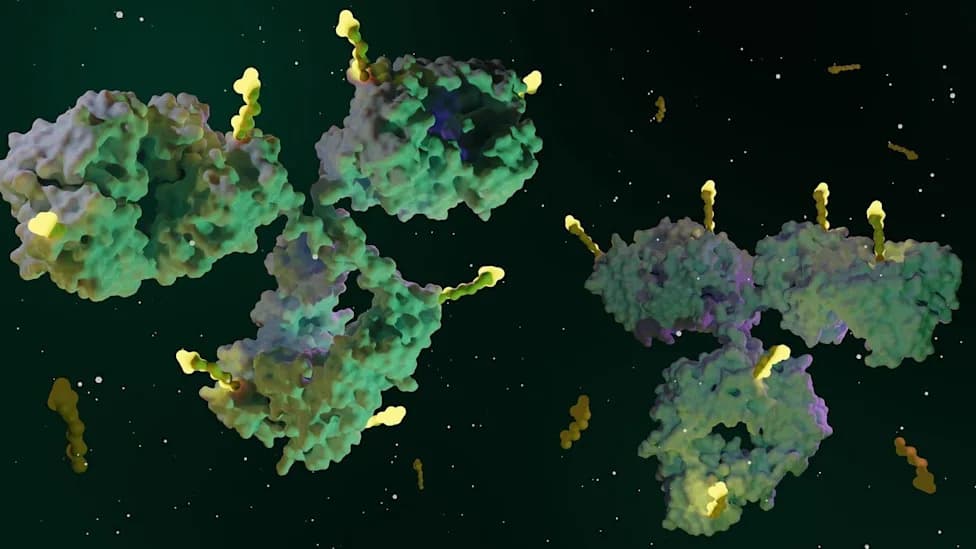
The initial Phase II stage will determine the recommended Phase III dose of ivonescimab when used alongside enfortumab vedotin. Credit: CrizzyStudio / Shutterstock.com.
Summit Therapeutics has launched the multi-regional Phase II/III HARMONi-GU1 trial to evaluate ivonescimab in patients with previously untreated, locally advanced or metastatic urothelial carcinoma — the most common form of bladder cancer.
What the Trial Will Test
The randomized study will compare ivonescimab, an investigational tetravalent PD-1/VEGF bispecific antibody, given in combination with enfortumab vedotin (EV), against the current standard-of-care combination of pembrolizumab plus EV. HARMONi-GU1 is planned to enroll roughly 800 participants through the Phase III stage, with clinical site activation expected to begin later this year.
Design and Endpoints
The trial opens with a Phase II dose-finding stage to identify the recommended Phase III dose of ivonescimab when administered alongside EV. The primary objectives of the Phase III portion are to assess progression-free survival (PFS) and overall survival (OS), key measures of clinical benefit for patients with advanced urothelial carcinoma.
Scientific Rationale
Summit’s co-CEO Dr. Maky Zanganeh commented that because both angiogenesis and immune evasion are important features of urothelial carcinoma biology, ivonescimab’s engineered PD-1/VEGF bispecific mechanism offers a compelling scientific rationale for evaluation in bladder cancer. By co-targeting immune checkpoint pathways (PD-1) and angiogenesis (VEGF), the therapy aims to enhance anti-tumor activity versus current regimens.
Development Status and Background
Ivonescimab (also known as SMT112 in Summit’s licensed territories) was engineered by Akeso. It has been administered to more than 4,000 patients in clinical trials worldwide and, according to Akeso, used commercially in over 70,000 people in China. Across the global programme, ivonescimab is being evaluated in 16 Phase III trials; four Akeso-sponsored Phase III studies in non-small cell lung cancer (NSCLC) in China have already reported data.
Last month, Summit released additional Phase III data for ivonescimab in NSCLC and is awaiting a regulatory decision in the United States.
Trial name: HARMONi-GU1 — Phase II/III
Population: Previously untreated, locally advanced or metastatic urothelial carcinoma
Planned enrollment: ~800 participants
Comparators: Ivonescimab + Enfortumab Vedotin (EV) vs Pembrolizumab + EV
Primary Phase III endpoints: Progression-Free Survival, Overall Survival
The initiation of HARMONi-GU1 expands Summit’s global ivonescimab programme into bladder cancer and seeks to address a significant unmet need for improved therapies in this disease.
Help us improve.