Three US service members were killed in July after ballistic missiles struck Jordan's Muwaffaq Salti air base. An IRGC Telegram post claiming local cooperation in the strikes has raised concern that Tehran seeks to sow distrust between Jordan’s monarchy and its people. A rare open letter calling for withdrawal of roughly 4,000 US troops — and the broader wave of attacks — underline domestic unease that analysts say Iran may be trying to exploit to weaken Jordan’s ties with the West.
Iran’s Campaign To Drive A Wedge Between Jordan And The West
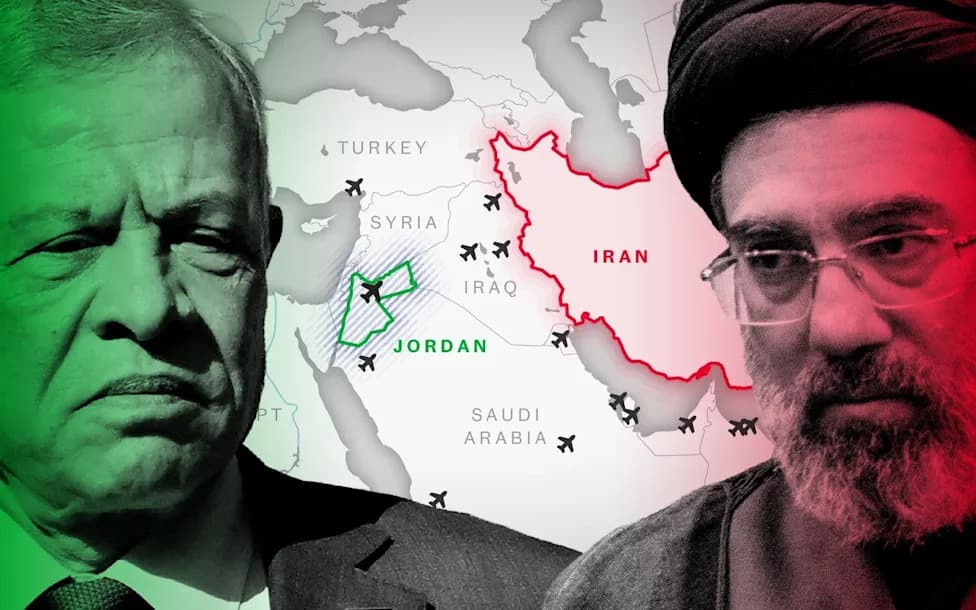
Jordan/Iran illo
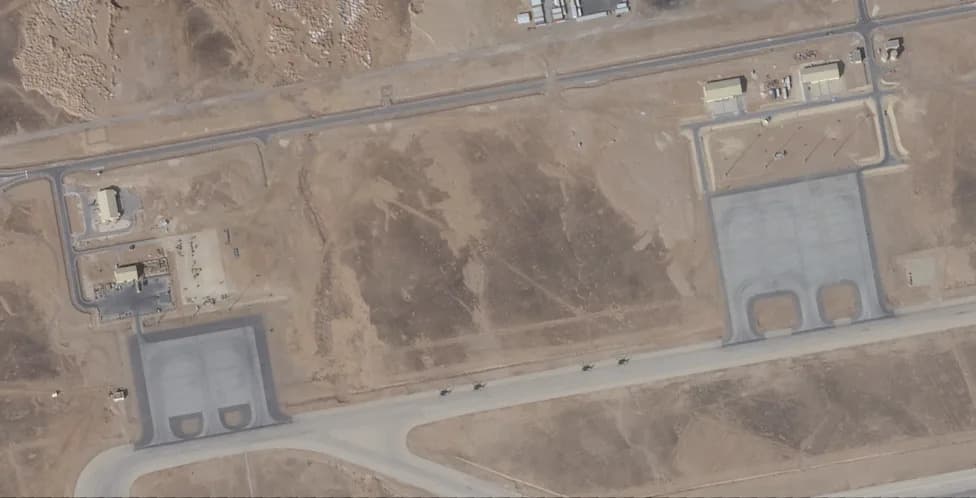
The July ballistic missile strikes on Jordan's Muwaffaq Salti air base — which killed three US service members and produced widely shared footage — focused international attention on Tehran's willingness to target American forces in the region. But beyond the strikes themselves, a follow-up message from Iran's Islamic Revolutionary Guard Corps (IRGC) suggested a broader political objective: to stoke domestic divisions in Jordan and undermine its Western alliances.
Background
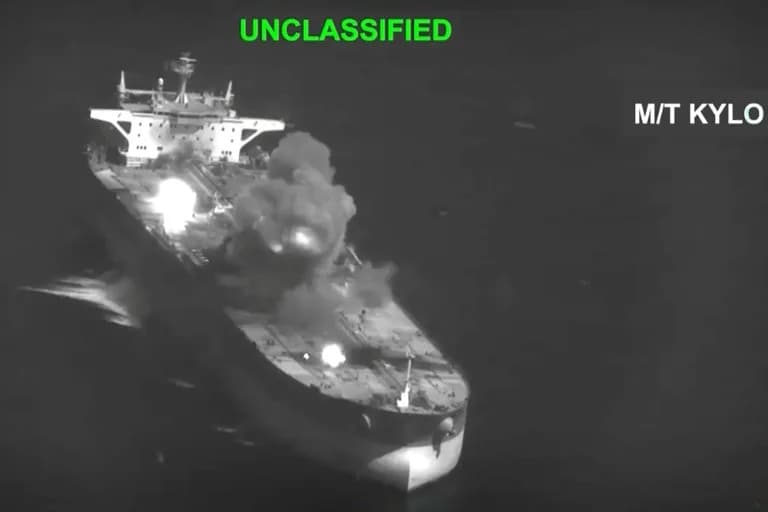
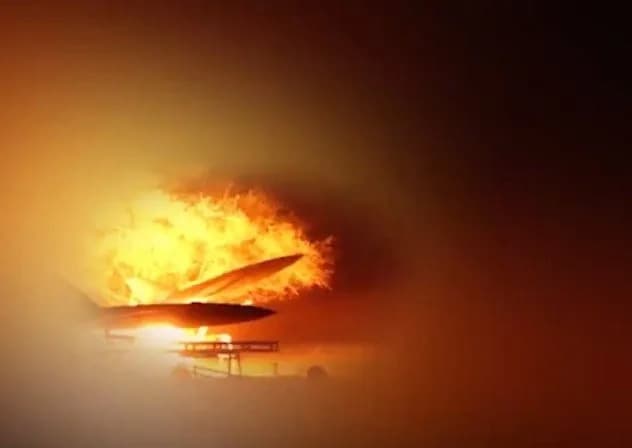
Since July 8, Jordan-based US troops and supporting infrastructure have been the subject of roughly 60 reported attacks. Officials in Amman contend that these operations are not solely tactical efforts to hit US personnel but part of a campaign to destabilise a pro-Western, Hashemite-led state that is strategically important to the United States and its allies.
The Telegram Claim
"To the honourable people and the courageous soldiers of Jordan... we thank you for your sincere cooperation and your accurate intelligence, which enabled the precise targeting by the fighters of Islam and the destruction of 20 hangars housing the forces of the child-killing US Army..." — IRGC Telegram post
Jordanian officials interpret the IRGC post as a deliberate attempt to sow mistrust between the palace and the armed forces by implying local collaboration in strikes on US facilities. Analysts warned that such messaging aims to create suspicion about loyalties within the military and among influential societal groups.
Political Reverberations
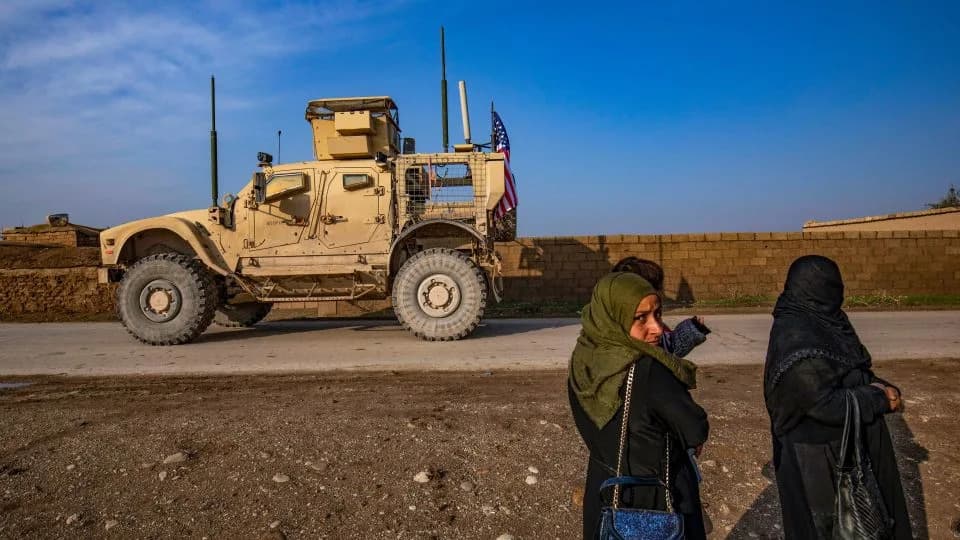
A few days after the post, the New York Times reported an open letter — said to be signed by "hundreds" of Jordanian politicians, academics and legal professionals — calling for the withdrawal of roughly 4,000 US troops from the kingdom. The letter was notable because public appeals of that scale are uncommon in Jordan's tightly managed political space; its full original text has since disappeared from public view.
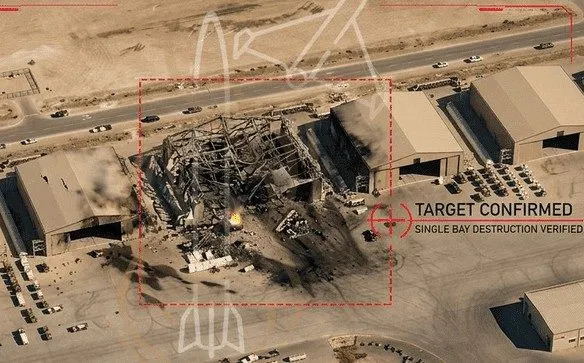
The extensive damage to US military infrastructure at Jordan's Muwaffaq Salti air base
While some in Amman see Iranian fingerprints in the campaign, most observers say the letter also reflects genuine domestic unease about foreign troops on Jordanian soil. Signatories reportedly included Jordanians of Palestinian origin and tribal Jordanians — a development that alarmed analysts because tribal groups typically back the monarchy and hold many public-sector and military roles.
Jordan’s Strategic Balancing Act
Jordan presents itself as an island of relative stability in a volatile neighbourhood: a professional army loyal to the Hashemite monarchy, active suppression of violent extremism, and a longstanding role as a host for refugees from neighbouring conflicts. The kingdom formally recognises Israel (a 1994 peace treaty) and receives substantial US economic and military assistance — reported at about $1.6 billion a year — as well as discreet British support rooted in historical links.
King Abdullah II has been vocally critical of Israel’s conduct in Gaza, reflecting public sentiment, especially among Jordanians of Palestinian descent. Still, the king has resisted calls to tear up the peace treaty, aware that doing so would risk severing the security partnership and aid on which Jordan’s current stability depends.
Why It Matters
Analysts argue Tehran's intensified focus on Jordan is strategic: undermining a US partner, increasing regional friction, and exploiting domestic grievances to weaken pro-Western governments. Jordanian commentators urge the palace to do more to explain the risks of foreign interference and to shore up public confidence in national institutions.
“Jordan is in the Iranian crosshairs,” said one analyst. “When Iran interferes in the affairs of an Arab society, that society can crumble — look at Syria, Lebanon and Yemen.”
Whether Iran’s actions will achieve that objective remains uncertain. Jordan’s security services and a traditionally loyal military are significant obstacles to large-scale political upheaval. Still, the episode highlights how kinetic attacks and targeted messaging can work in tandem to pursue geopolitical aims beyond the battlefield.
Help us improve.